


Is the Haobo GT High-End Intelligent Driving 3L Edition equipped with three LiDARs, or does it have L3 capabilities?
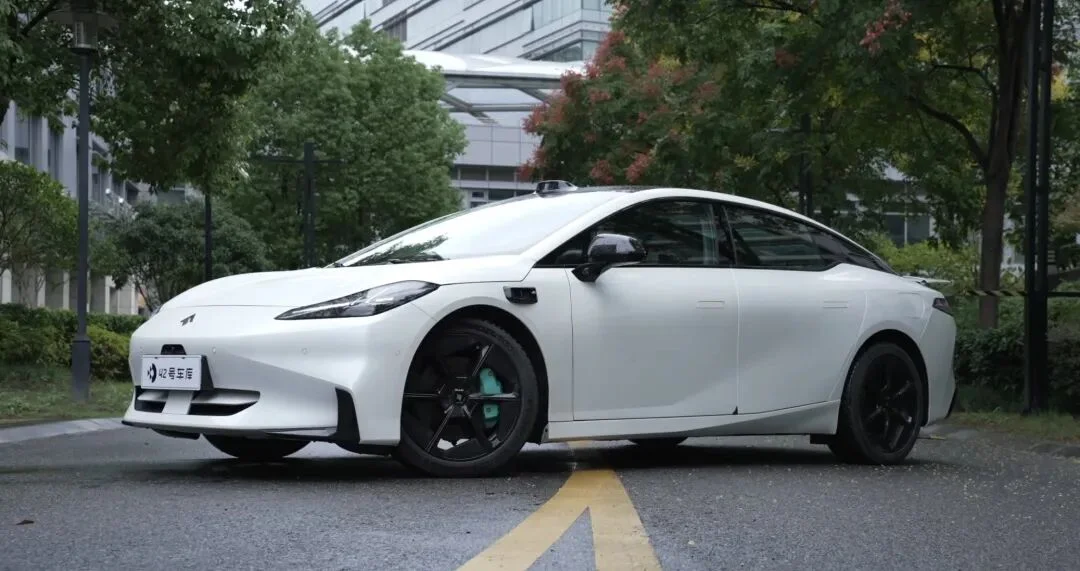
The evolution of driver assistance has split into two distinct paths: one focusing on urban navigation assist, and the other advancing capabilities to Level 3 (L3) autonomy. Urban navigation is currently the most competitive segment, with numerous models available for consumers. In contrast, L3 autonomous driving remains largely confined to Robotaxi operations, raising questions about how distant this technology is from everyday buyers.
Globally, L3 deployment has been underway for some time. In Germany, the first country to permit L3 vehicles on public roads, Mercedes-Benz launched its DRIVE PILOT system in 2022 with L3 capabilities. BMW also announced last November that its new 7 Series would support L3 functions. However, German regulations impose significant restrictions on L3 use: liability is clearly defined for automakers, activation is limited to speeds up to 60 km/h, operation is restricted to closed highways, lane changes are prohibited, and drivers must take over immediately when encountering emergency vehicles.

In China, on November 17, 2023, the national-level pilot policy for L3 intelligent connected vehicle access finally took effect. In addition to Mercedes-Benz and BMW, which have already implemented this in Germany, a group of automakers including Haobo, Zhiji, and General Motors have also obtained autonomous driving test licenses.
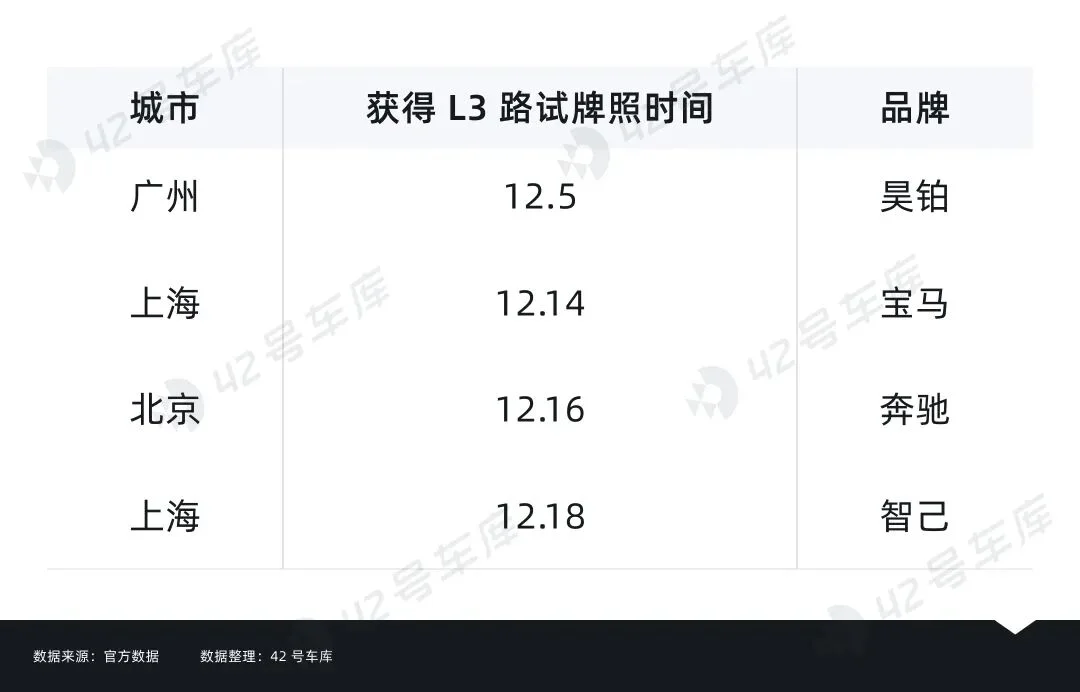
These companies represent the first tier to secure domestic L3 testing permits, but it remains unclear when their first production vehicles will reach consumers.
01Is '3L' Three Lidars or L3 Autonomy?
On February 27, Haobo released the Haobo GT 710 Houqugaojiezhijia 3L Ban, with an official guide price of RMB 259,900. The model name 'High-End Intelligent Driving 3L' inevitably invites associations: does it refer to L3 autonomous driving capability, or simply three LiDAR sensors?
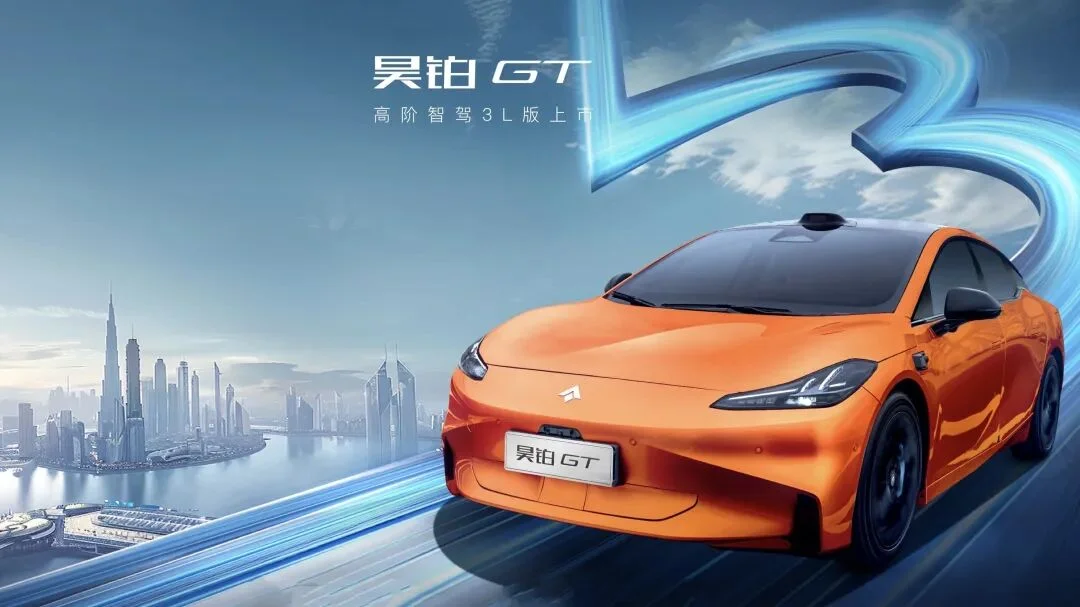
First, from a hardware perspective, the Haobo GT 710 Houqugaojiezhijia 3L Ban uses three variable-focus LiDARs for perception, responsible for forward and lateral sensing; this is genuinely a '3L' setup. This combination of three LiDARs provides a 300-degree perception field of view. Compared to models with a single LiDAR, it can effectively fill blind spots, offering faster recognition and response in cut-in scenarios. Additionally, for visual perception, it uses two front-facing 8-megapixel cameras, including one wide-angle and one telephoto lens; four side-view 8-megapixel cameras; and one rear-view 1-megapixel camera. Furthermore, six millimeter-wave radars are used for redundancy.
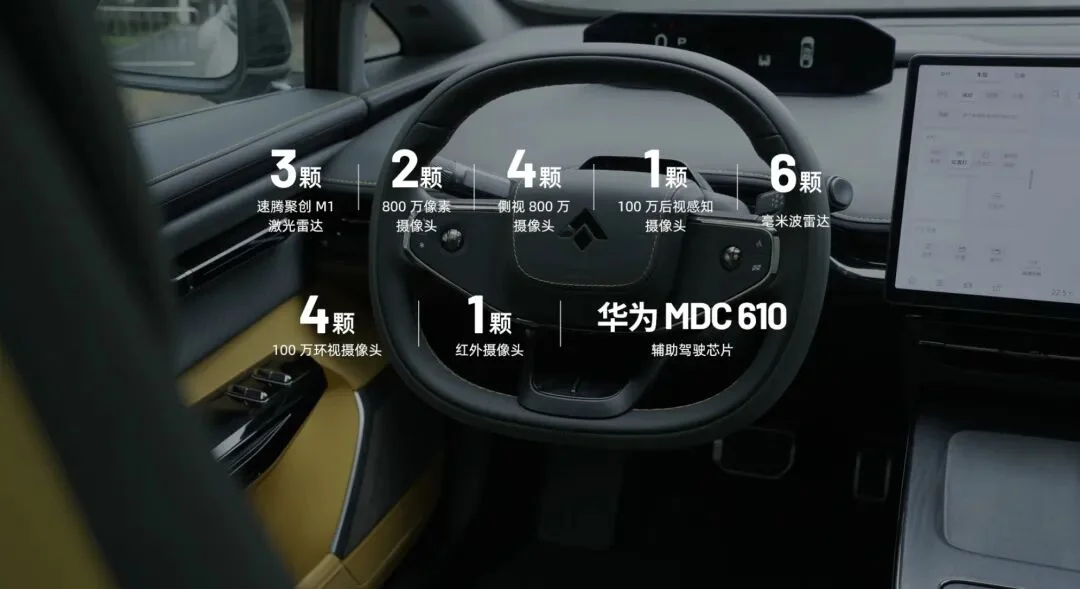
For parking functions, the vehicle employs four 1-megapixel surround-view cameras and one infrared camera. The ADAS chip is Huawei’s MDC 610, delivering equivalent computing power of 544 TOPS.
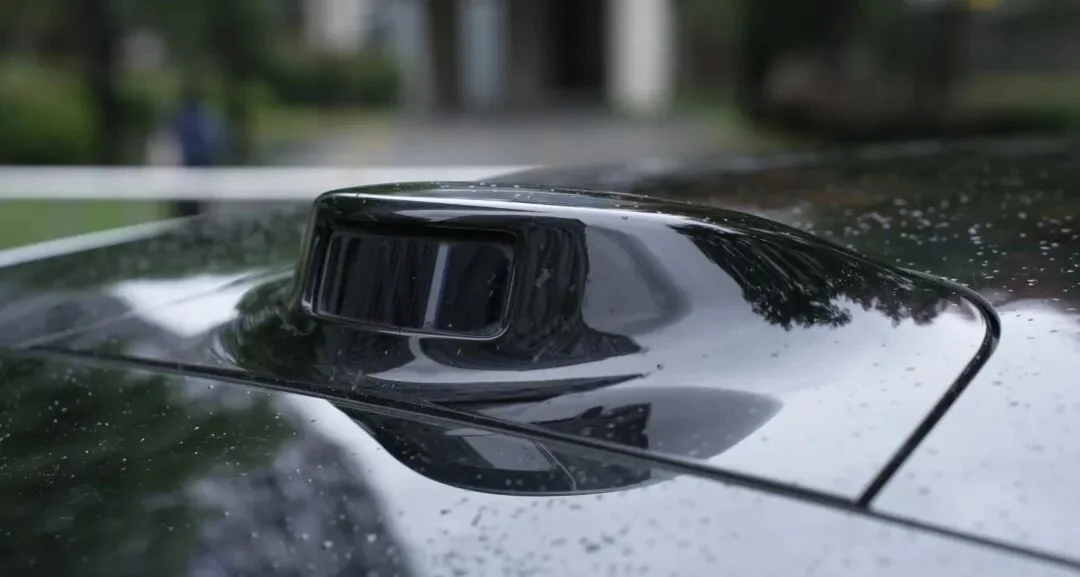
The 34 intelligent driving sensors on the Haobo GT High-Level Intelligent Driving 3L Edition match the hardware configuration of vehicles used in L3-level autonomous driving road tests. Functionally, the system currently supports Highway Navigation Assist (NDA) and automatic parking. In the future, beyond supporting Urban Navigation Assist, Haobo plans to introduce L3 features in compliance with national laws and regulations—a forward-looking strategy embedded in the hardware design from the outset.
02What Can Haobo GT’s L3 Do?
We previously experienced the Haobo GT’s high-speed NDA feature using the same hardware. The system’s lane-change logic, acceleration and deceleration control, and interaction experience were comfortable and user-friendly. Although testing coincided with prolonged thunderstorms, the system maintained stability even in severe weather, giving drivers confidence. Additionally, the NDA’s driver monitoring system proved quite responsive.
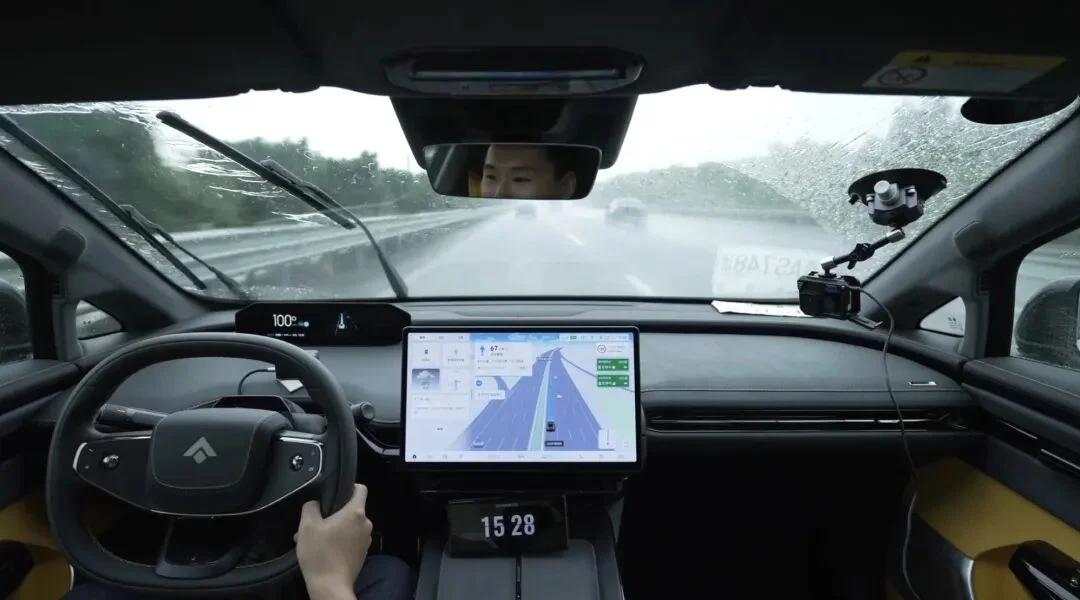
However, L3 autonomous driving capability differs from highway and elevated-road navigation assist. China’s current regulatory framework has not yet clarified its scope of application. Based on existing overseas laws and regulations, the function can only be activated under limited conditions: the vehicle must travel on closed roads at speeds of 60 km/h or less. The use cases are relatively narrow; unlike navigation assist, it cannot execute lane changes or overtaking maneuvers. Within a single lane, if an obstacle is encountered ahead, the system can only brake. In such scenarios, the automaker assumes liability only if an accident occurs and the company bears primary responsibility. Consequently, current L3 usage conditions lean toward congested traffic on elevated roads.
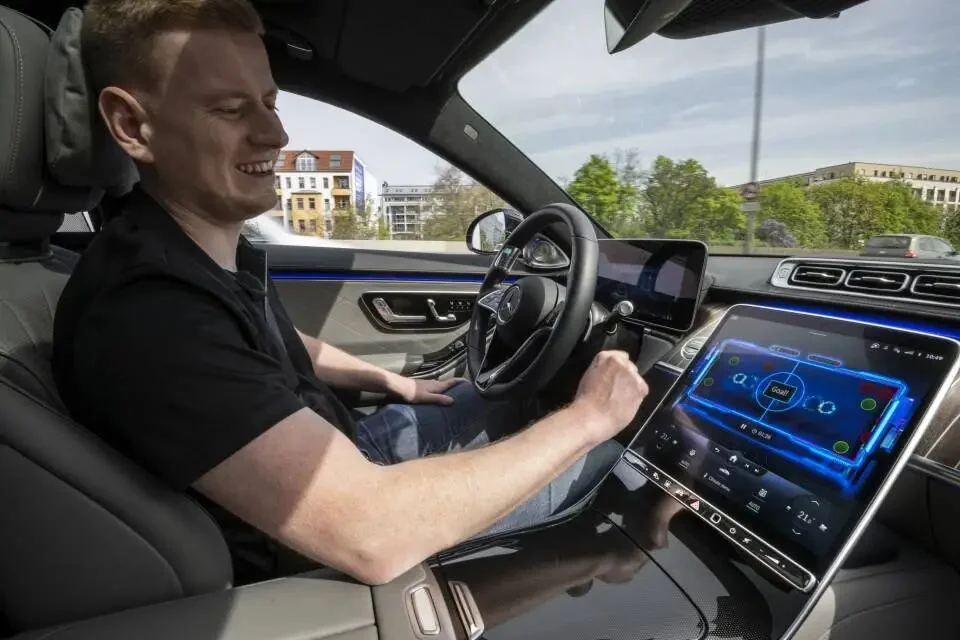
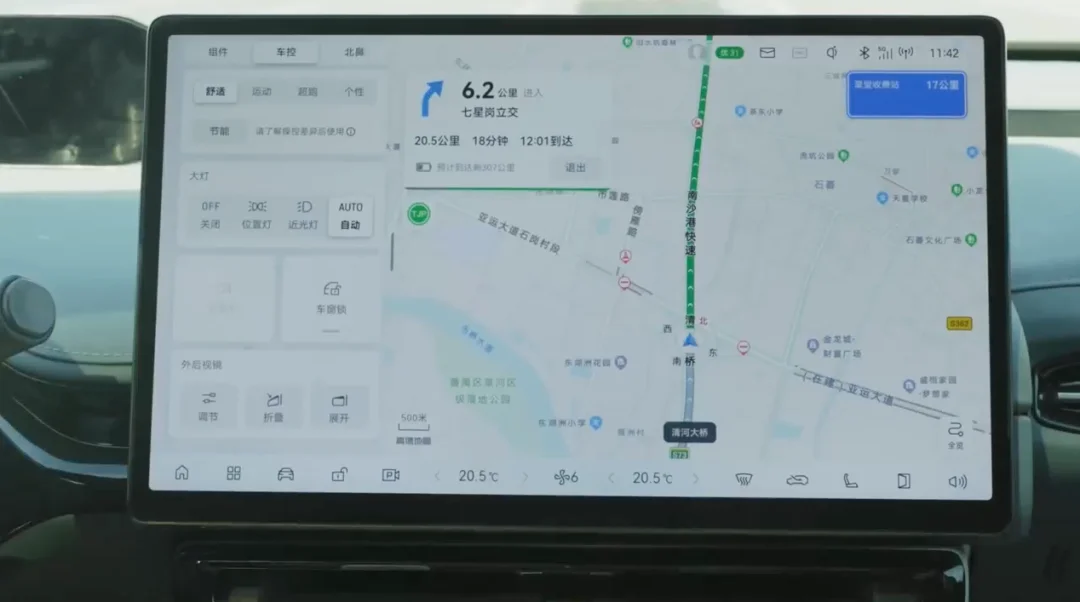
Therefore, the L3 function of the Haobo GT Advanced Autonomous Driving 3L Edition is referred to as TJP (Traffic Jam Pilot). It is activated similarly to standard autonomous driving: when the vehicle is in High-Speed NDA mode and the lead vehicle slows below 80 km/h for more than five seconds, the system enters TJP mode. When conditions no longer meet L3 requirements, the system seamlessly downgrades back to NDA mode.
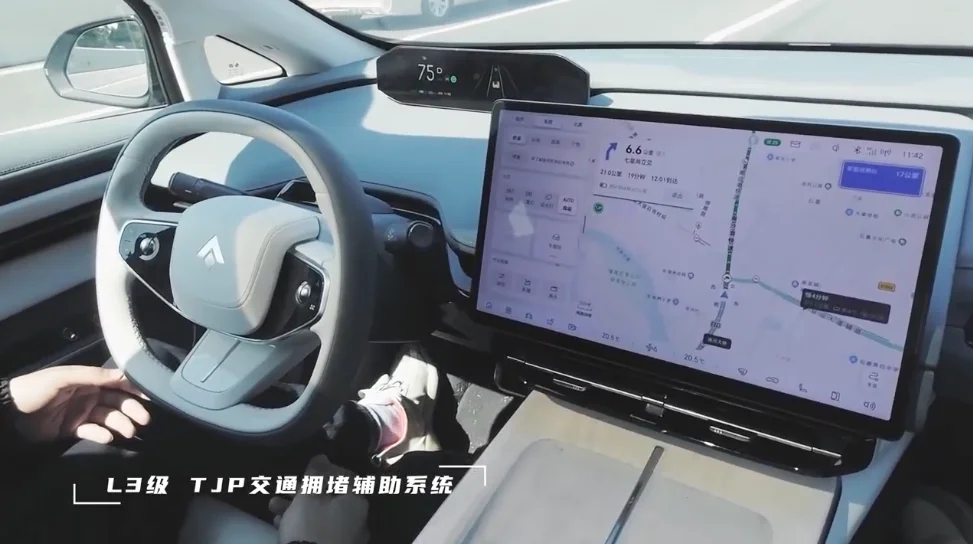
When the vehicle's L3 autonomous driving TJP function is enabled, it maintains centering within lane lines and follows the car ahead, handling various congested conditions and cut-ins. During L3 operation, drivers may remove their hands from the steering wheel, feet from the pedals, and eyes from the road. In other words, drivers may shift their attention to other tasks, such as replying to messages, handling work, or turning around to check on children.
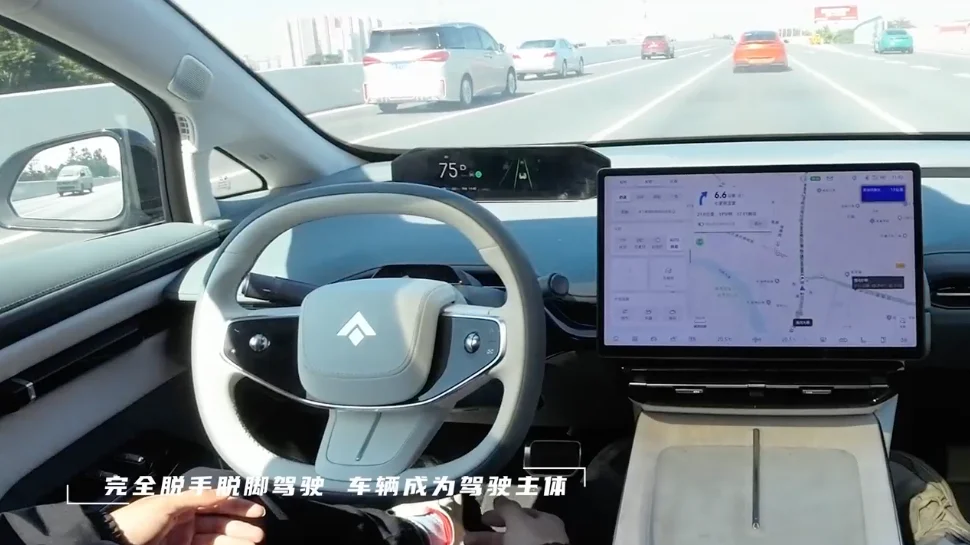
The Confidence to Take Responsibility Lies in Ensuring Safety
Under laws and regulations, if a traffic accident occurs while the vehicle's L3 TJP (Traffic Jam Pilot) function is active, liability shifts to the automaker. For L3 systems, safety is paramount; thus, redundancy is key to L3 and serves as the dividing line between L2 and L3. The Haobo GT High-End Autonomous Driving 3L Edition employs multiple hardware redundancies and software algorithms within its Starling architecture to ensure driving stability during autonomous operation.
In terms of hardware redundancy, the Haobo GT High-End Intelligent Driving 3L Edition is equipped with eight redundant systems. Those related to intelligent driving include controller redundancy via dual intelligent driving domain controllers and perception redundancy configured as 13V6R3L; those related to driving involve braking redundancy through dual IPB and RBU systems and steering redundancy via multiple steering torques. Additionally, the vehicle itself features dual battery power redundancy, communication redundancy, parking redundancy, and a satellite-ground integrated positioning system, which ensures the safety of intelligent driving in areas with poor signal coverage such as remote locations and underground garages. Through these eight redundant designs combined with safety monitoring, the high-end intelligent driving system can continue to operate normally even if a single-point failure occurs in critical parts of the vehicle.
On the software side, Haobo GT employs the currently popular BEV + Transformer + Occupancy Network perception algorithm. Paired with its intelligent driving hardware, it can meet the requirements for urban autonomous driving and L3 capabilities. Additionally, when developing for L3, Haobo GT utilizes the ONE MODEL Shenxing algorithm.
Regarding the decision-making capabilities of the intelligent driving system, Haobo employs a software-level algorithm that is a fusion-based approach, enhancing paths and obstacles while learning from human drivers. Under the ONE MODEL fusion algorithm, overall execution becomes more decisive, avoiding issues such as long link chains with more than three steps, numerous conflicts, frequent abnormal exits, and steering wheel jitter. Additionally, the strengthened path algorithm enables better recognition in complex environments. When the system undergoes testing and training, it utilizes a fully data-driven algorithm optimized through learning based on human handling strategies.
03Final Thoughts
Looking back, since basic driver assistance first entered the public eye around 2019, it has evolved from initial adaptive cruise control to lateral lane-keeping control, and now, in China, intelligent driving has advanced to L3-level capabilities and urban navigation. Over these years, the development of intelligent driving has been leapfrogging.
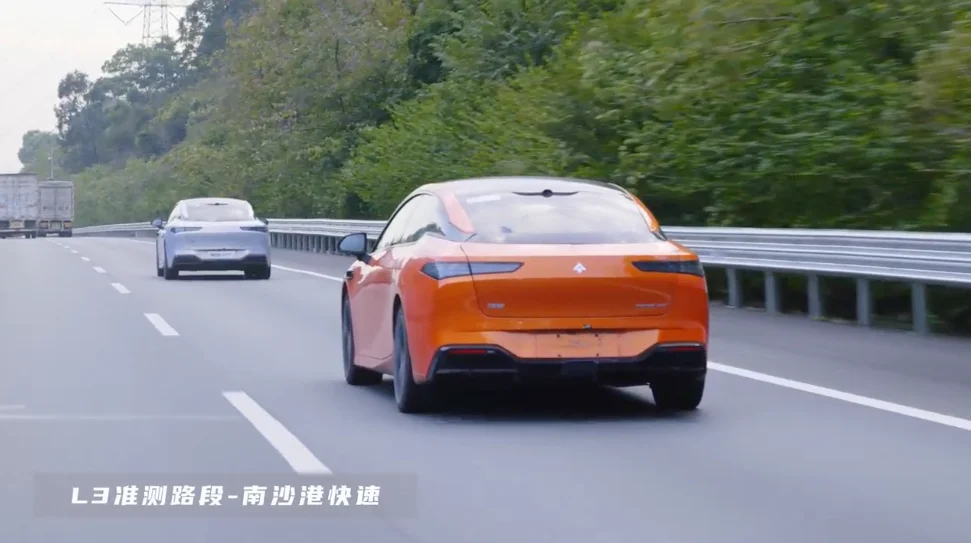
In the past, we might have thought that L3 autonomous driving was far removed from normal daily use, perhaps existing only in models like Robotaxis. With the launch of pilot programs for access, it means that China now has clear and unified top-level policy support for L3/L4 intelligent driving vehicles on public roads. Globally, China is set to become another major country, alongside Germany and the United States, to pilot the implementation of L3 technology.
The Haobo GT High-End Intelligent Driving 3L Edition already possesses the same hardware as L3-class intelligent driving road test vehicles. The hardware redundancy significantly ensures safety during intelligent driving operations. Therefore, for consumers, the introduction of this new vehicle brings us one step closer to L3-level intelligent driving. It is foreseeable that with the implementation of laws and regulations in the near future, more travel scenarios will be unlocked for consumers.
Written by: Jiang Xiaohei Edited by: Daji