


Want to Make a Hit? Here’s smart’s Answer
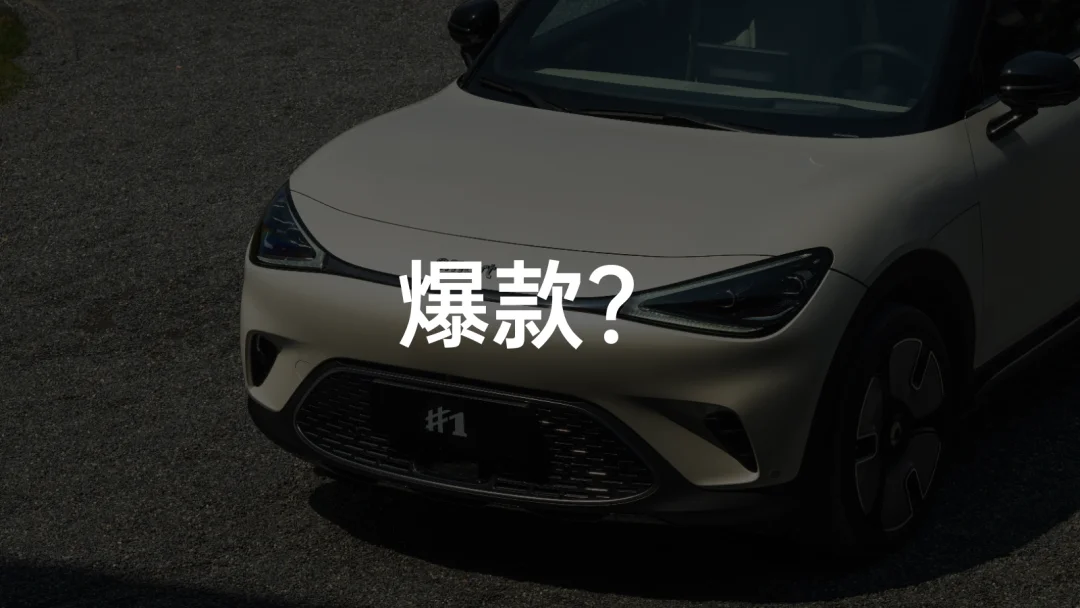
smart #1 deliveries are now scheduled into next year, with sales far exceeding the manufacturer's expectations and showing strong potential to become a hit model. For a brand undergoing a comprehensive refresh, ensuring quality while ramping up production to shorten delivery times is both a blessing and a challenge.
My primary concern, however, was how the car actually drives and performs in daily use. My discerning colleague Lai Yinhate placed a substantial deposit after participating in the global first drive and is now considering switching his order to the BRABUS version.
This piqued my curiosity about the vehicle's appeal. On August 16, I flew to Lijiang, Yunnan, for a road test of the smart #1 and held an in-depth discussion with Yang Jun, Vice President of Smart Technology R&D, widely regarded as the 'father' of the smart #1.
Here is some background: The smart #1, officially launched on June 6, is available in three base trims: Pro+, Pure+, and Premium, with a price range of RMB 194,200–239,200 (2023).
On August 1, smart officially announced that due to rising raw material costs, the price of the top-tier Premium version of the smart #1 would increase by RMB 5,800 to RMB 245,000. Shortly after, on August 15, the interior and exterior of the smart #1 BRABUS edition were officially unveiled. Real shots and related information can be found in our community group.
01Changed Form, Familiar Spirit
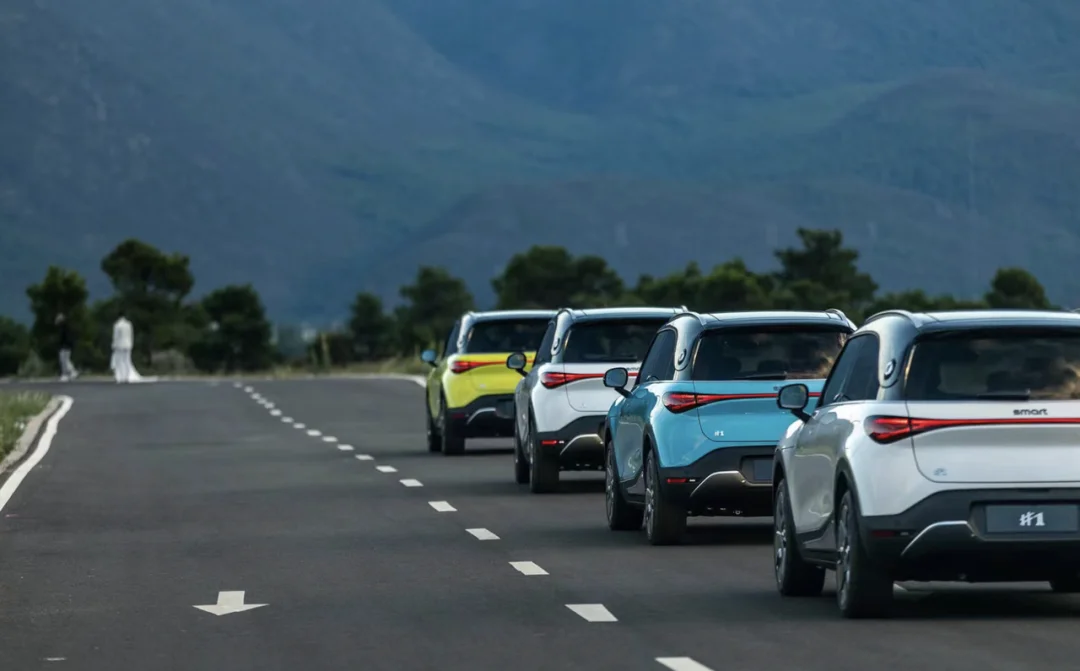
Upon first seeing the smart #1 in person, although its exterior design has been reworked and its dimensions have stepped outside the scope of original smart ICE products, even with the smart badge covered, while the "form has changed," the smart #1 still retains the brand's spirit.
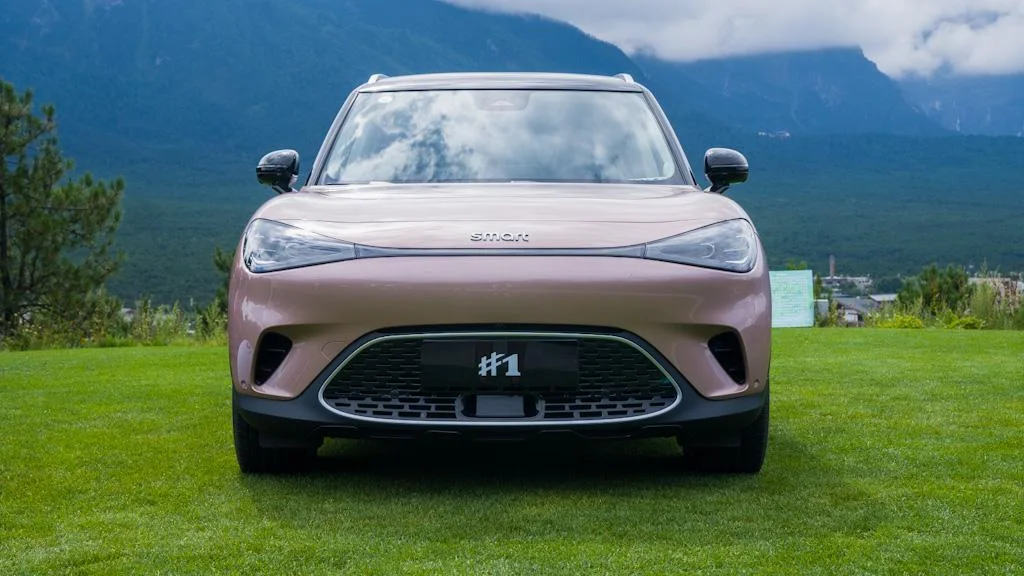
Rounded lines set the tone for the vehicle’s design. From the front, many observers are first drawn to the Y-shaped full-width daytime running lights and the large, circular-trapezoidal recessed grille below, which resembles a wide grin.
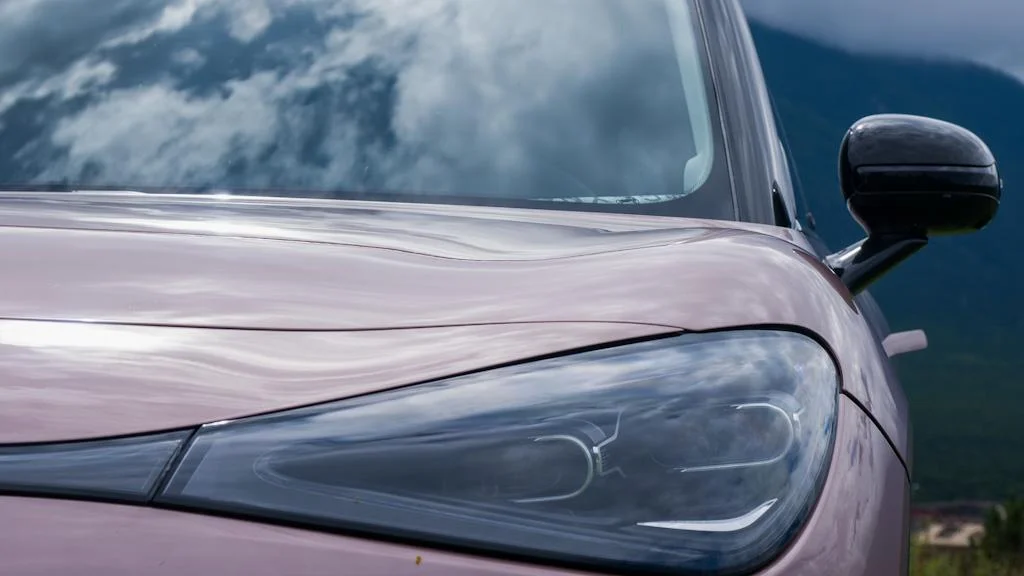
While the hood slopes downward to create a sense of dynamism, the true source of muscular presence lies in the raised character lines that extend from the headlights.
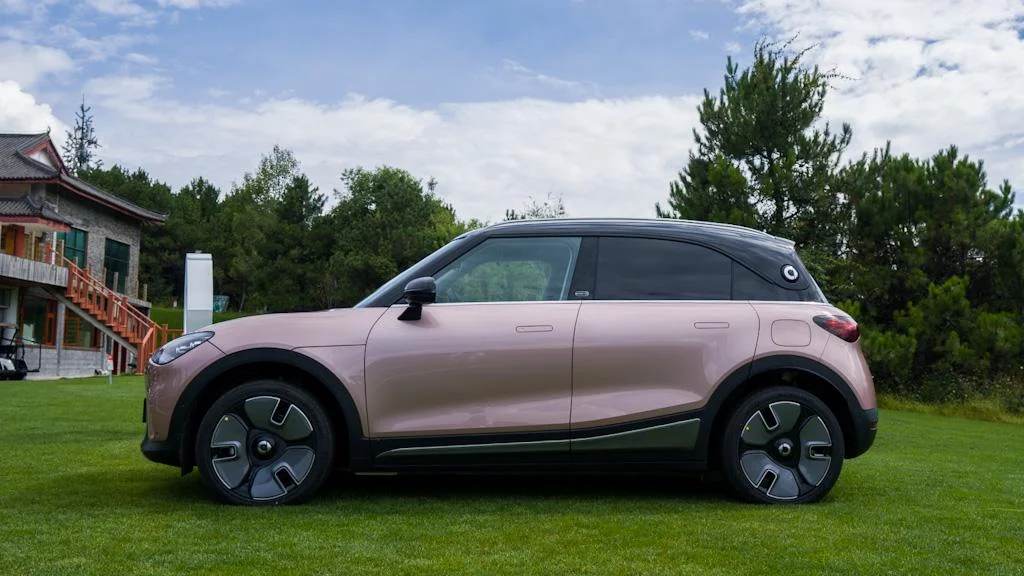
Moving to the side profile, my keywords are 'compact' and 'minimalist,' qualities that build upon the vehicle's rounded foundation.
Visually, the smart #1 measures 4,270 mm in length. Combined with extremely short overhangs—particularly the rear wheel arch, which nearly intrudes into the tail section—the compact SUV promises intriguing interior space performance.
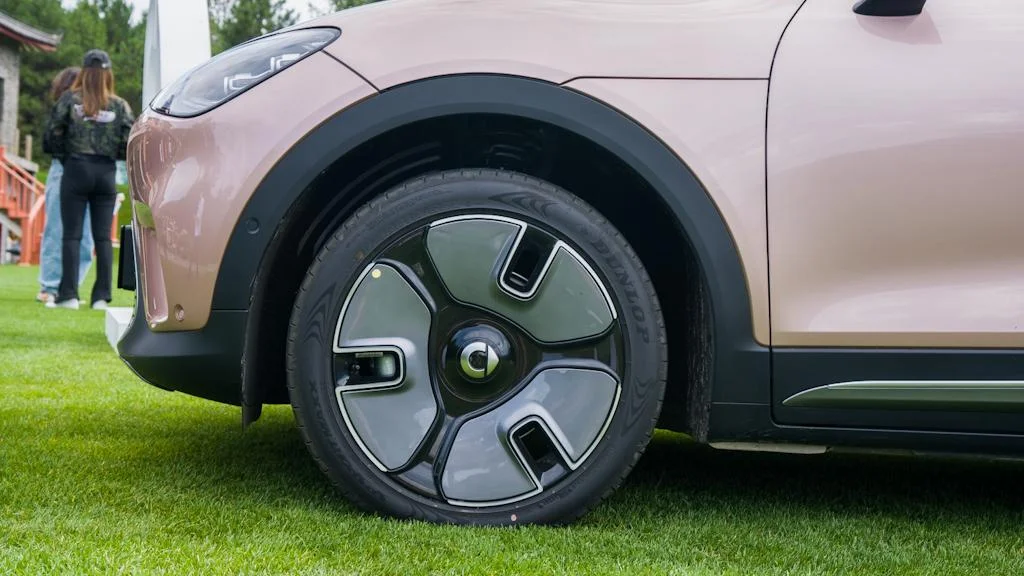
The front fender of the smart #1 is highly atypical. To perfectly showcase the raised lines on the front fascia, the hood had to be extended, encroaching significantly on the fender's space. Combined with hidden door handles, frameless doors, and a black floating roof design, the side profile appears remarkably clean and minimalist.
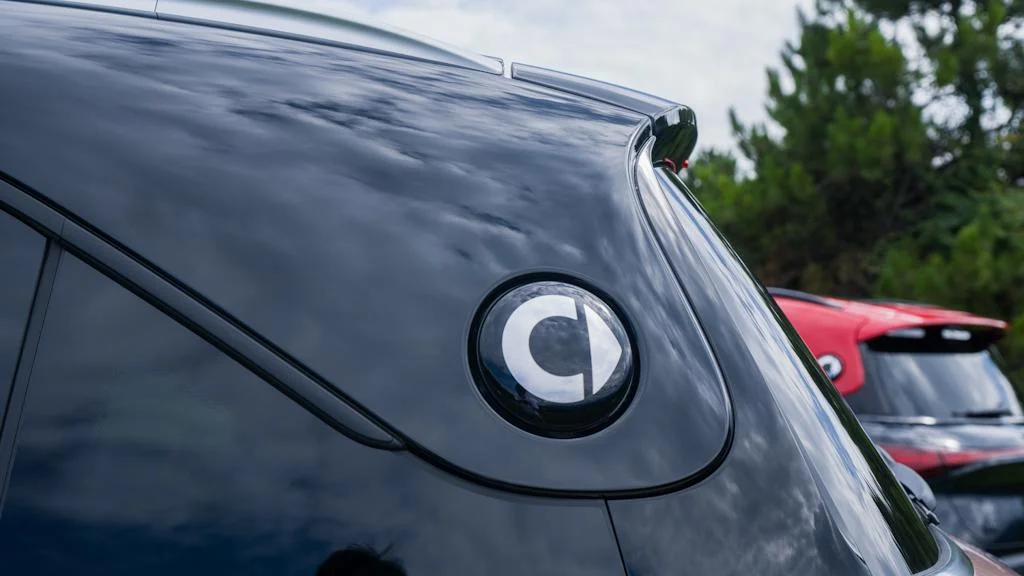
The C-pillar of the smart #1 is largely enveloped by the black roof, which tapers slightly toward the rear. Along with the straight shoulder line, this reduces the overall visual angle of the tail section. A subtle smart logo adds a finishing touch, shifting the side visual weight toward the rear.
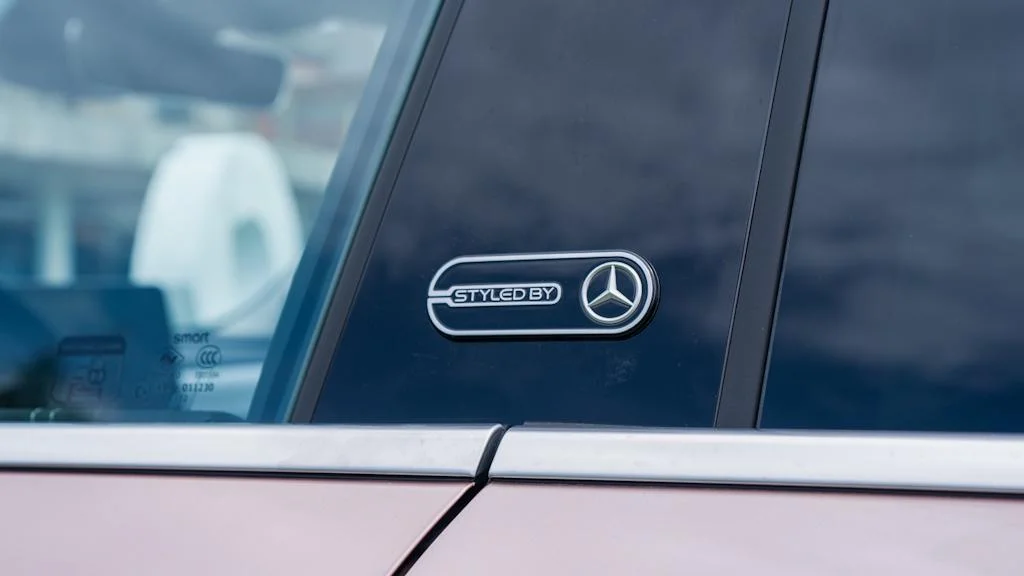
Of course, there is another detail on the side that cannot be ignored: the "Styled By" badge on the B-pillar, which features the Mercedes-Benz logo instead of letters. It should be noted that the European version of the smart #1 does not have this design. In short, the smart #1 has a very detailed grasp of Chinese consumers' psychology.
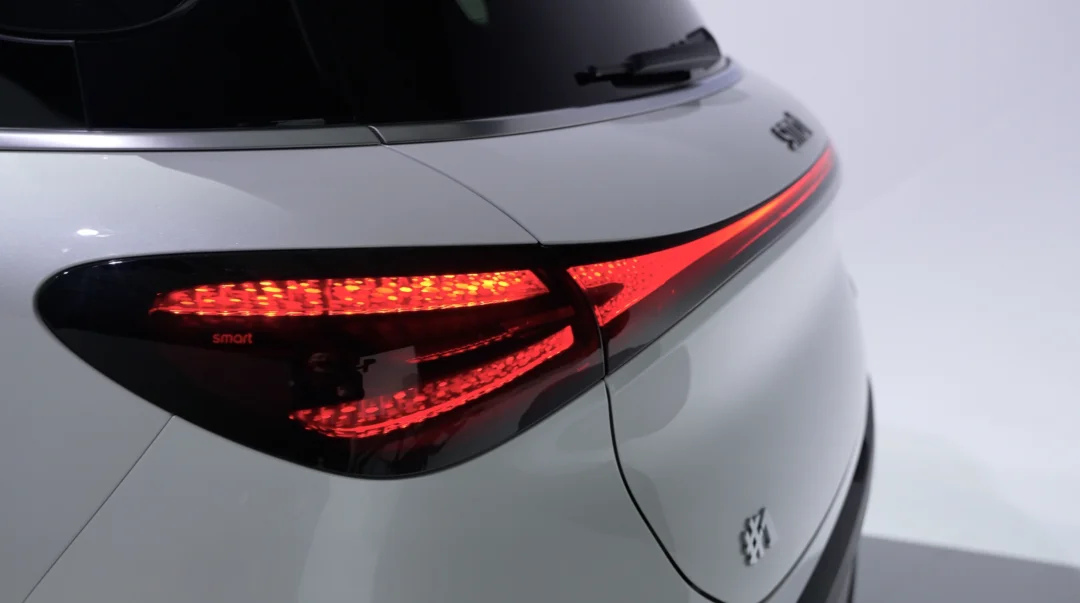
The taillight design echoes the Y-shaped daytime running lights at the front. The smoked finish creates a combat-ready atmosphere when unlit, while the illuminated effect is truly dazzling, exuding a strong Mercedes-Benz character.
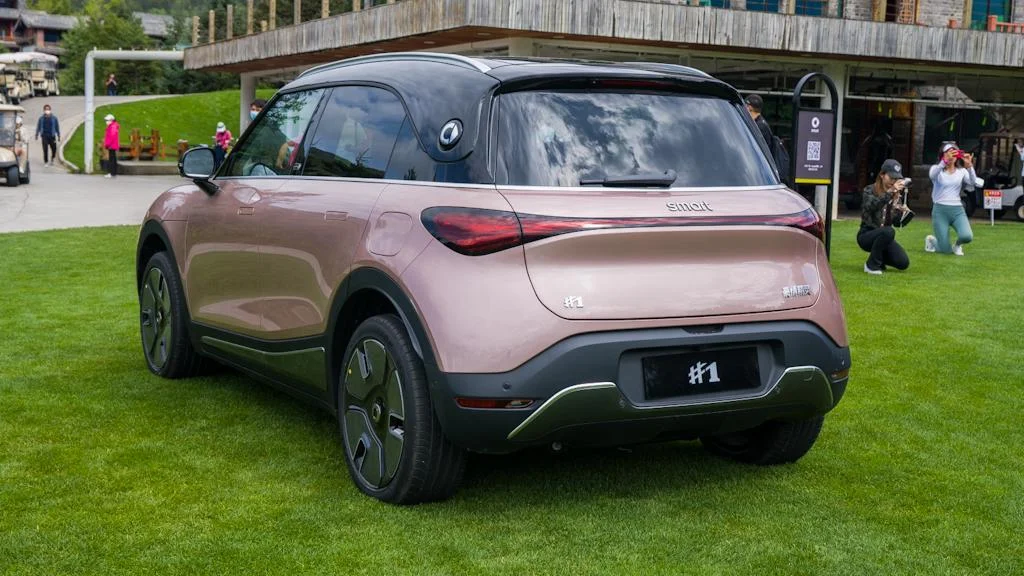
The sharp tapering behind the C-pillar is evident from the side, but the rounded design of the taillights viewed from directly behind gives this rear-wheel-drive car a solid, substantial feel.
The only question is whether this steep taper compromises second-row or trunk space. For the smart #1, the choice was to prioritize second-row space, and in practice, the rear legroom is quite good.
With my 179 cm height and 75 kg weight, after adjusting the front driver’s seat to fit my build, I have about one fist’s width of legroom in the back. Headroom is also about one fist, thanks to the vehicle’s height of 1,636 mm, which is taller than me.
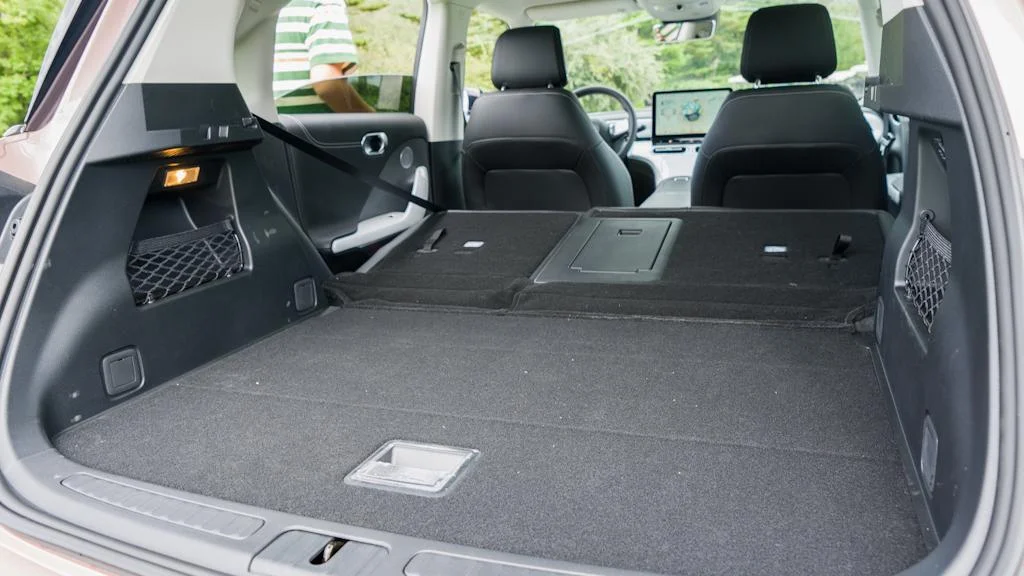
With the trunk open, the overall size meets expectations, given that space was reserved for the second row. However, there are quite a few features that "steal" space while enhancing practicality, such as side mesh pockets, 4/6 split-folding seats, a pass-through to the rear, and deep storage compartments dug out under the floor cover.
Even the rear seatback angle adjustment offers two settings: a comfort position and a "storage" mode, maximizing flexibility for trunk space.
02Interior: Light Luxury?
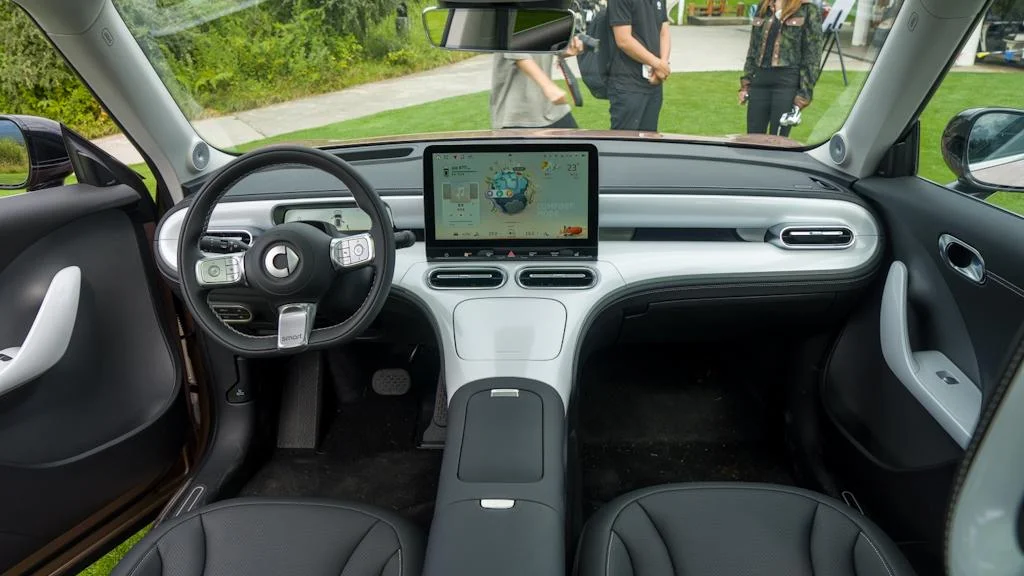
The product positioning of smart #1 is overall still leaning towards 'petty bourgeois'. You can first look at the picture to feel whether the interior of smart #1 matches your understanding of 'light luxury'.
The design inherits the spirit of smart, making the smart #1 not only attract the attention of existing smart fuel-vehicle owners who are eager to upgrade, but also achieve a breakthrough in widespread acclaim. However, interior and exterior aesthetics are interconnected; for a model whose exterior is widely approved by the public, the interior design becomes the second major test of aesthetic judgment.
My overall impression: The atmosphere is sophisticated, the styling is not exaggerated, but it still retains the essence of Mercedes-Benz interior design.
The entire cabin features no straight lines, only curves and rounded corners with consistent angles. For example, the lines of the air vents and the center console are very harmonious.
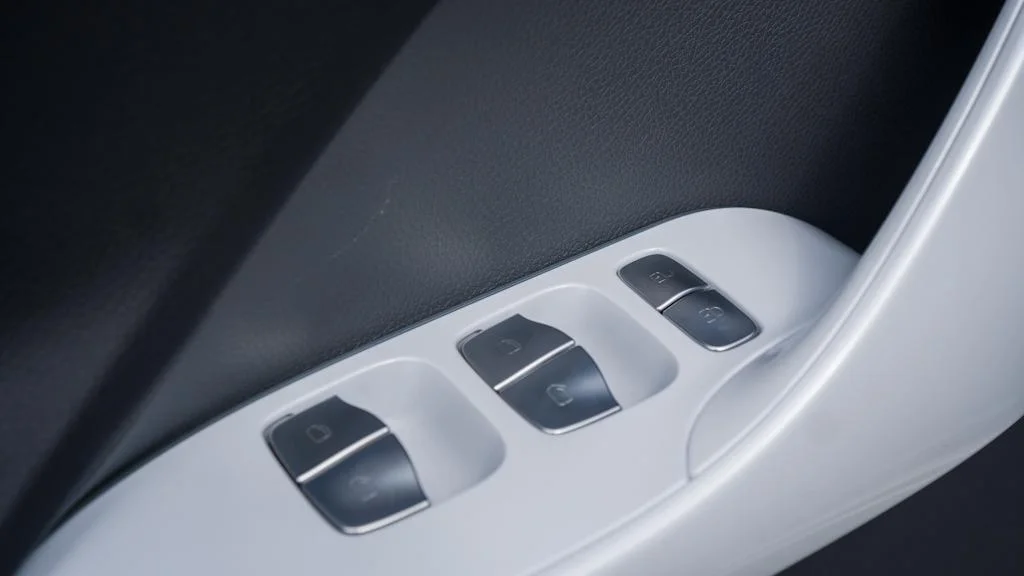
Beyond the design, there are practical details with refined texture. For example, the damping of the air vent knobs, the damping and tactile feel of the metal window control buttons, the cover damping, and even the subtle damping of the armrest box release button, and so on.
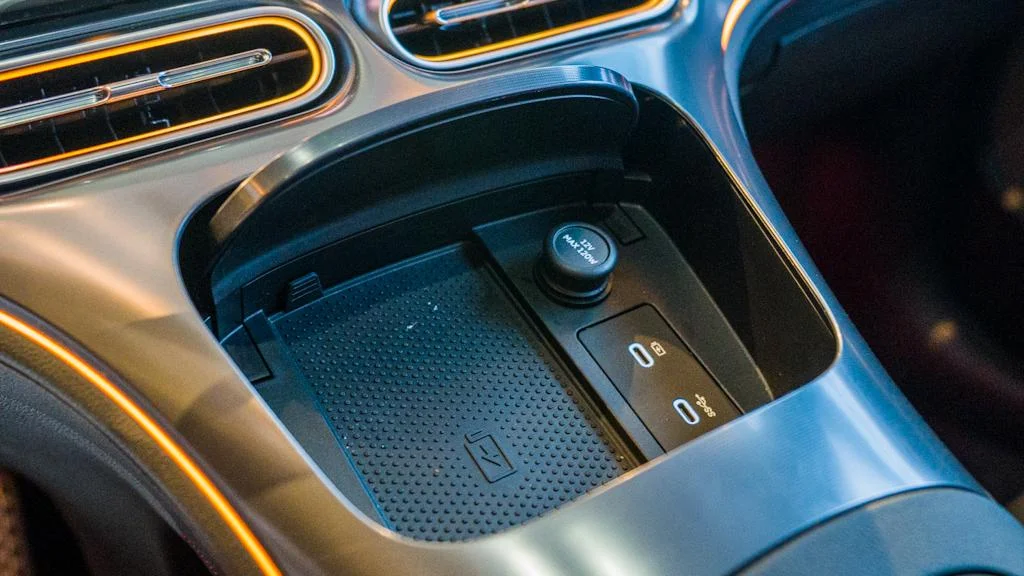
To the right of the 15 W wireless charging pad, there are two USB Type-C ports. One supports a hidden feature for connecting a Nintendo Switch console. This was barely promoted by the manufacturer, though I will discuss other highlights in the infotainment system later.
The smart #1’s material application is both economical and practical. First, in areas where our body parts can make contact or are within close visual range, soft calendered materials or specially crafted materials are used—never hard plastic.
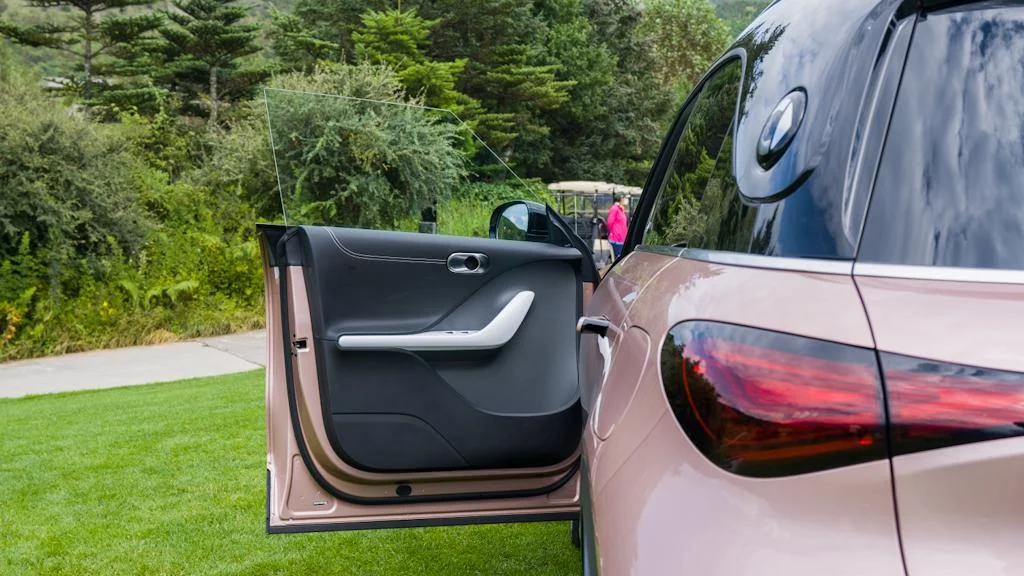
In fact, the presence of these hard plastics is very low, such as in the lower sections of the door panels and on both sides of the armrest box. Moreover, at the armrest position where our knees might bump against it, the smart #1 thoughtfully added soft material covering, applied to both the left and right sides simultaneously.

Among the interior configurations, the top-tier Premium model features an exclusive interior color called "Tactile Gold," which initially drew skepticism from users questioning whether it was plastic. In fact, this material is indeed metal, and its manufacturing process is significantly more expensive than standard brushed finishes.
Before seeing the actual vehicle, I had doubts about whether this color might look a bit tacky. However, upon seeing it in person, the texture was excellent. The only minor issue is that it requires frequent wiping; otherwise, it easily attracts various oil stains.
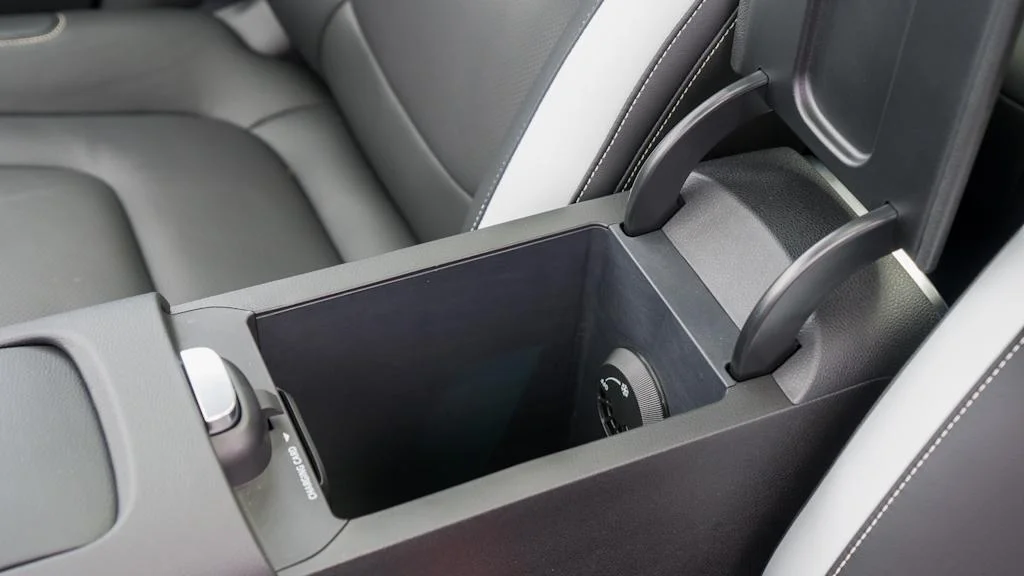
What’s interesting is that the smart #1’s center console armrest features air-conditioning vents. We can even adjust the airflow ducts to control temperature, making it practical for chilling or warming a few bottles of beverages stored inside.
Many drivers are unaware that the front wall of the center console armrest contains a dedicated slot for charging RFID cards. Because Chinese users tend to rely heavily on smartphones for charging-related tasks, this feature was specifically designed by smart #1 to accommodate European usage scenarios, where drivers commonly use physical charging cards.
03Men Say It’s Great to Drive
The smart #1 delivers solid handling performance, creating a striking contrast with its 'cute and clumsy' exterior. This is a rear-wheel-drive vehicle that lives up to the idiom 'beautiful on the outside and within.'
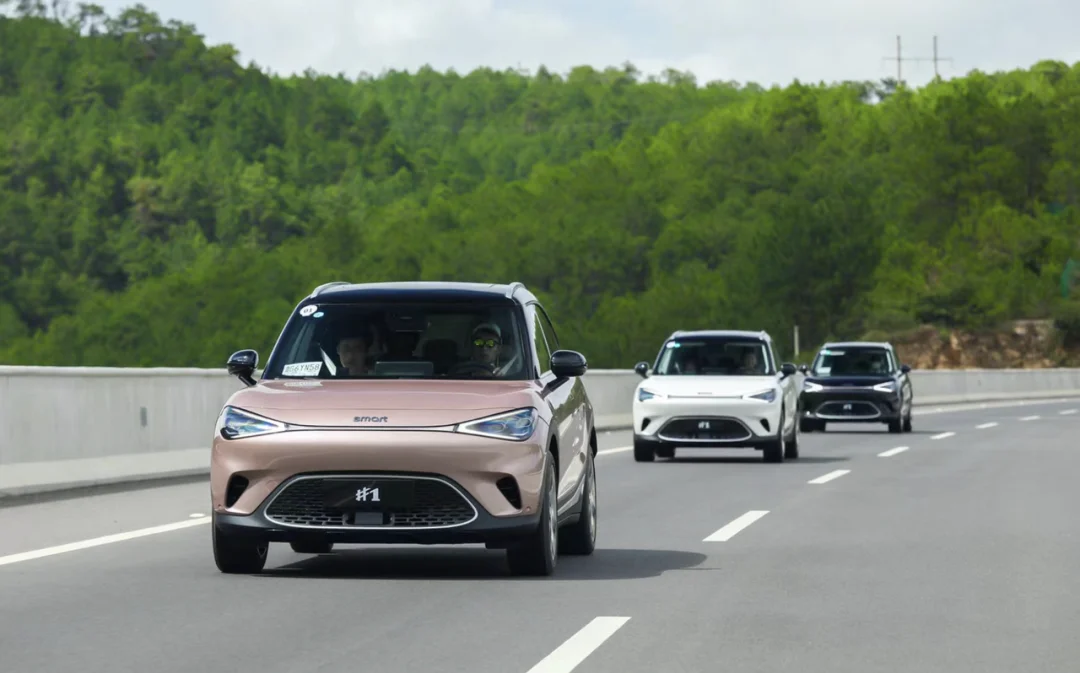
My first impression upon driving the car was: clarity.
By 'clarity,' I mean visual openness. I can see all information ahead without obstruction. This stems from two factors: the elevated seating position typical of SUVs and the flat, uncluttered dashboard design, largely enabled by the 9.2-inch 'ultrawide' instrument cluster.
You'll notice that this strip-style instrument cluster looks very similar to those in the Zeekr 001 and Lutesi Eletre. But don't speculate; this is a custom design by smart specifically for a "transparent" field of view.
The rear-wheel-drive, single-motor version of the smart #1 delivers a maximum power output of 200 kW and a peak torque of 343 N·m, with an acceleration time of 6.7 seconds. This figure is not particularly fast among the electric vehicles I have tested, but it is more than sufficient for daily driving needs.
The smart #1 offers three driving modes: Eco, Standard, and Sport. Across all modes, the accelerator pedal response is highly linear. In Eco mode, there is a slight delay at the beginning of pedal travel, while Sport mode delivers significantly quicker response.
Brake feel is generally excellent. However, with a critical eye, I noticed that when following traffic, repeatedly tapping the accelerator before braking to a stop results in a slightly abrupt final transition into a stationary state.
This behavior stems from the CRBS (Combined Regenerative Braking System), where the handoff between electric motor braking and mechanical hydraulic braking remains perceptible.
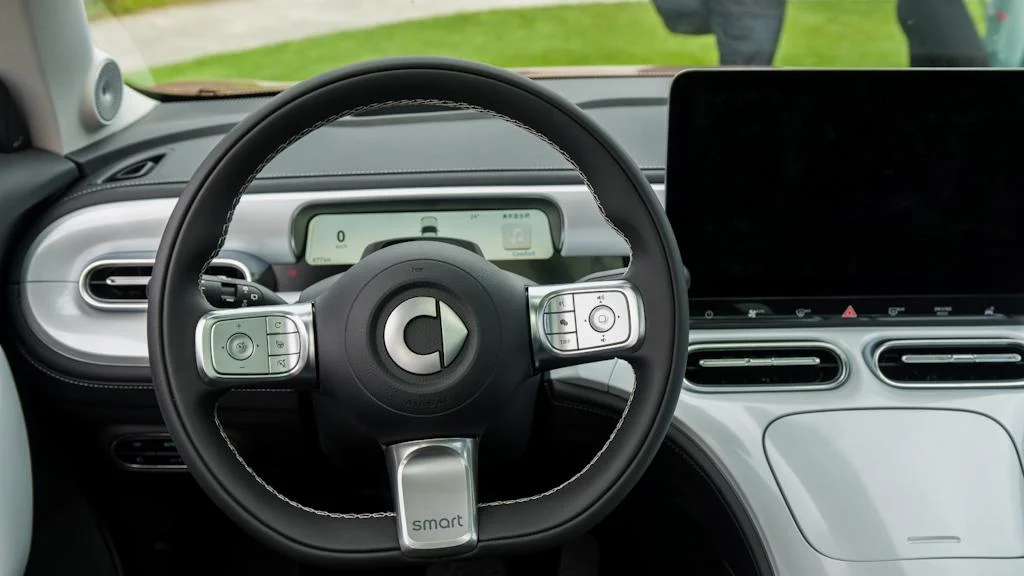
The steering wheel feels good in the hand, featuring small bumps at the 9 o’clock and 3 o’clock positions that allow the thumbs to rest comfortably. Steering assist offers three settings: Comfort, Standard, and Sport. The Comfort setting provides the lightest effort, enabling easy U-turns even for drivers who prefer minimal physical exertion.
Standard and Sport modes offer progressively heavier damping compared to Comfort. I personally prefer Sport mode for most driving situations. These steering characteristics can be linked to the previously mentioned driving modes or customized independently.
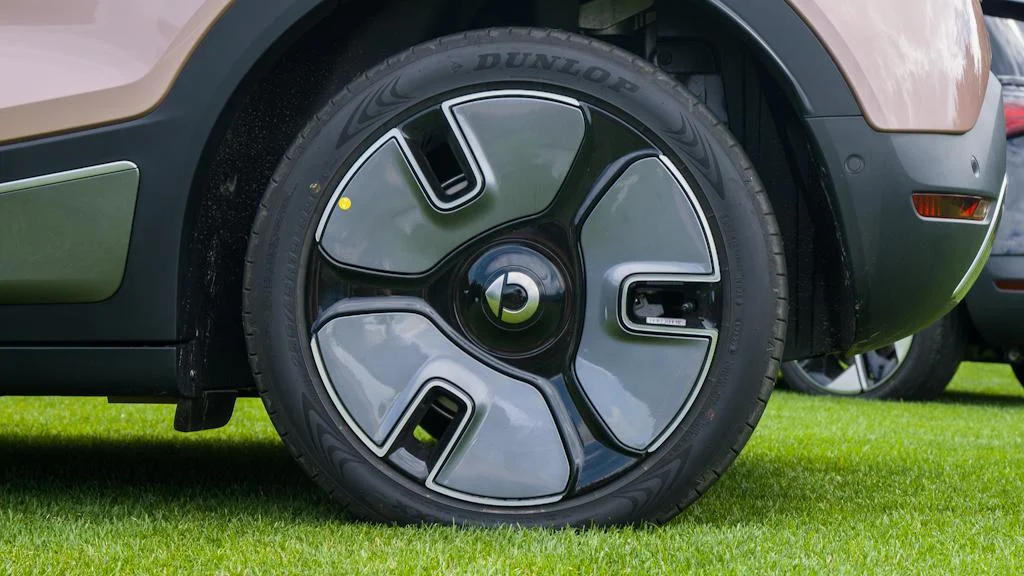
With a front MacPherson strut and rear five-link suspension setup, paired with 235/45 R19 tires, the smart #1 demonstrates excellent lateral support through the curves of Lijiang’s mountain roads. At one point, I even doubted whether I was driving a sedan.
The suspension filters out fine road vibrations without harshly transmitting every detail like the Model 3 does, allowing the smart #1 to retain a certain level of road feel.
When encountering large speed bumps or isolated potholes, body float is minimal; it is evident that the vehicle dissipates vibrations within two or three oscillations after passing over them.
Cornering support, selective filtering of fine vibrations, and rapid dissipation of speed bump impacts constitute the "German flavor" engineered into the smart #1.
Overall, the driving experience of the smart #1 on daily roads is outstanding, with nearly flawless coordination between the accelerator, brake, steering, and chassis. Therefore, I believe this car is not only suitable for female drivers but also appeals strongly to male drivers, myself included.
04The Underrated Infotainment System?
Yes, as my subheading suggests, I find the infotainment system in the smart #1 to be highly creative. Compared to the new energy vehicle brands I typically drive—XPENG, Lixiang, and NIO—the "Inspiration Planet" smart OS infotainment system in the smart #1 provides a completely fresh experience!
The smart #1 features a 12.8-inch horizontally oriented LCD screen with a resolution of 1,920×1,080, achieving a pixel density of 172 ppi.
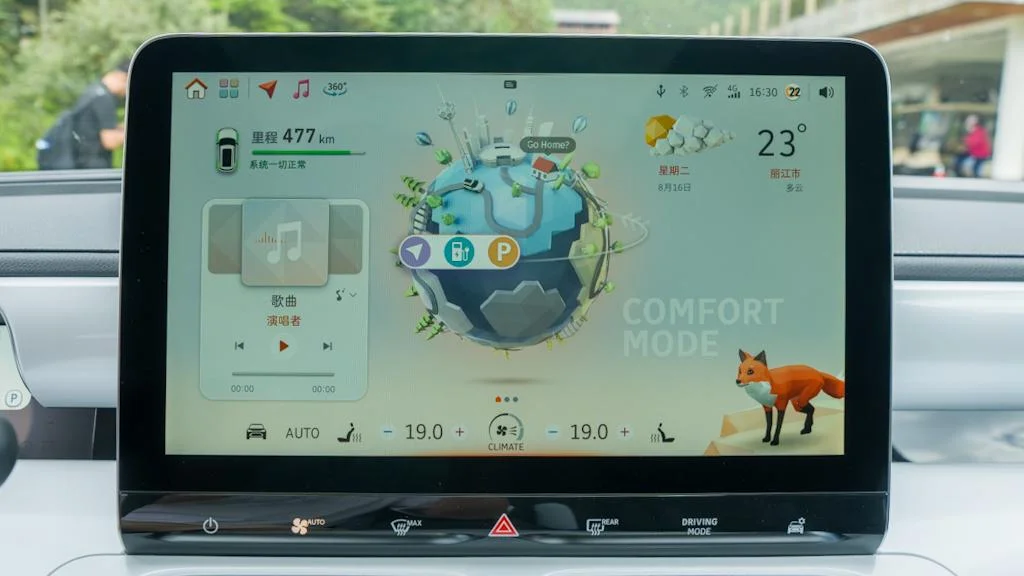
The first surprise is the "Earth" at the center of the screen.
When I first used it, I repeatedly confirmed this was the main interface before realizing what makes this infotainment system unique. Most single-screen central consoles use a map-centric home screen, which has become an industry "tradition."
Following the arrow's guidance, I rotated the Earth to its back, and the background changed accordingly. The highlight was the exquisite detail in the rotation animation. This level of refinement is evident throughout the entire infotainment system; for instance, when opening or returning apps from the menu bar, they align precisely with their original positions. It’s not that I’m being overly dramatic, but rather that I’ve grown accustomed to infotainment systems with a purely utilitarian, engineering-focused aesthetic. So, seeing such nuanced motion effects actually excited me.
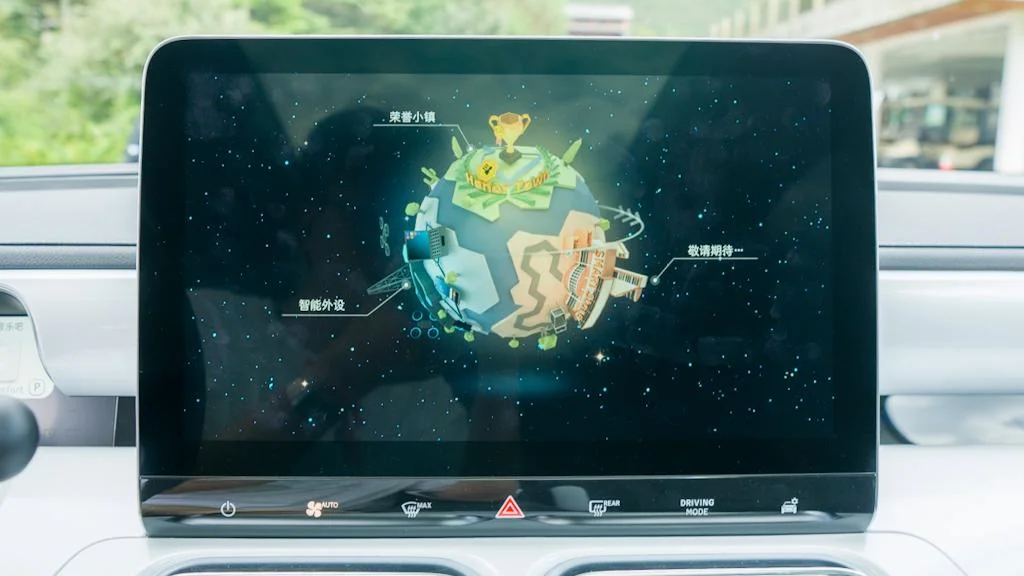
Many features are pre-integrated into the back of the Earth, such as games, voice control, and connectivity options. These will require long-term cultivation by the software team.
The creativity and ideas inspired by this Earth element are quite interesting. Some possibilities I can think of include birthday reminders, solar term notifications, and seasonal changes.
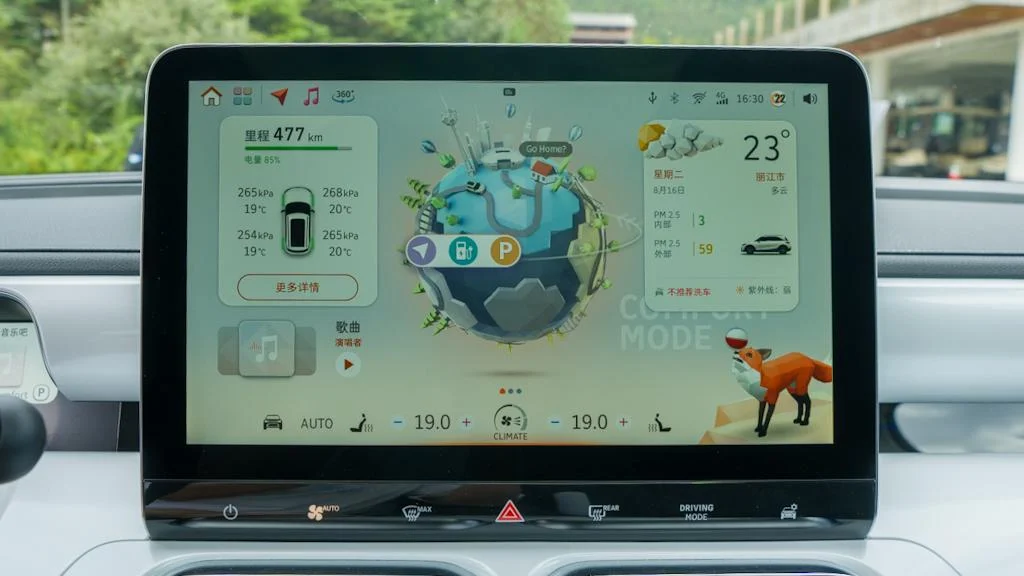
The second surprise is the 'card,' or you can think of it as a smartphone home-screen widget.
In terms of content, the smart #1's card widget currently displays on both sides of the globe graphic.
The left side is more feature-rich, showing multimedia controls, phone status, and tire pressure plus range information. I suggest that smart add real-time power display here to enhance functionality, as many users frequently check kinetic energy recovery or output power levels.
The right side displays weather information, which is relatively simple in content.
In terms of presentation, the small cards on the left can be resized with a single click, and a double-click expands the relevant app interface. On the multimedia card, you can even swipe to switch songs, and further still, change the audio source without opening the full app.
Once navigation begins, returning to the main screen reveals a small navigation card beneath the globe.
The weather card on the right appears simple in content, but its level of detail is exceptional. While testing the infotainment system, the weather in Lijiang was unpredictable, and the car's weather widget dynamically changed to reflect these conditions.
When you need to access an app, a subsequent click will fully expand it, just like the applications on the left.
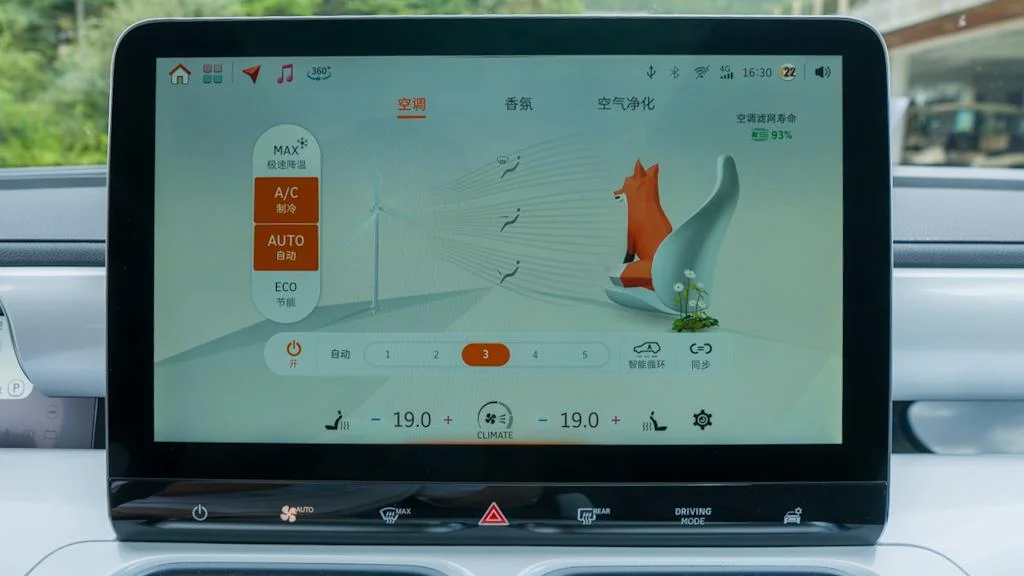
The third surprise is that every entry point is clickable and features interactive animations.
This is also evident in the "card" feature, which can be expanded to open corresponding apps. However, this degree of functionality falls short of what I would consider a true surprise.
In the smart #1 infotainment system, the top status bar—including USB, Bluetooth, and account icons—allows quick access to various operations. For elements like the time display, which do not require quick-access shortcuts, the team implemented an enlarged view with additional information upon interaction. This was done to unify the interactive experience across the entire status bar.
The completeness, creativity, and functionality of this infotainment system fully meet the requirements for a formal 1.0 release. In fact, I believe many official promotional materials from smart have not fully showcased the highlights and nuances of this system. For those interested in this vehicle, the infotainment system is certainly a hidden gem.
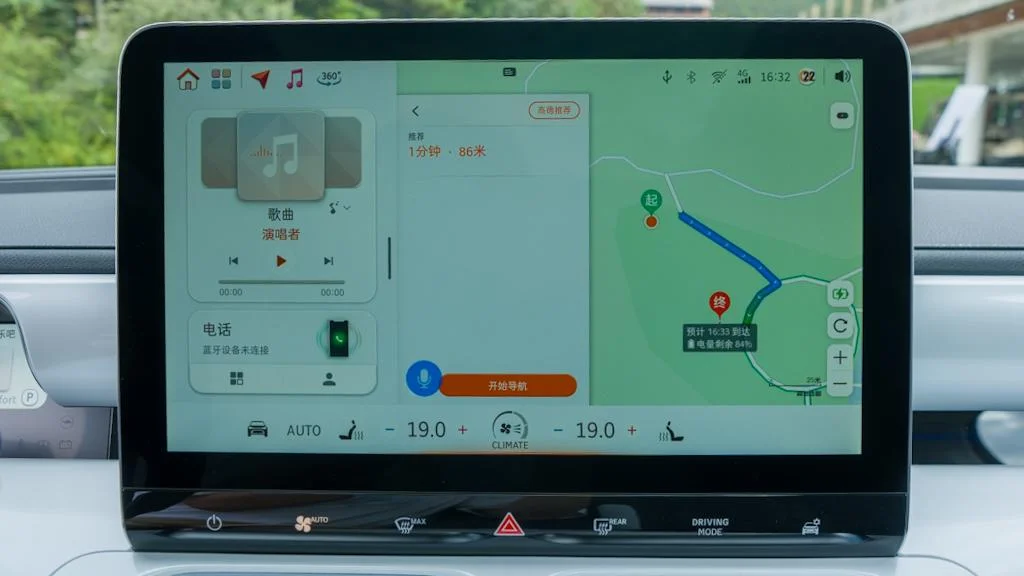
The fourth surprise is split-screen support.
Yes, you heard that correctly: the smart #1 infotainment system supports split-screen functionality.
Currently, the split-screen feature can only be activated by pinching with two fingers on the left edge of the navigation interface. Swiping right with two fingers exits the split-screen mode.
The content displayed in split-screen is currently limited to the multimedia and phone sections.
This means the infotainment system allows a small navigation card to remain on the main home screen while also supporting split-screen display within the navigation interface. This level of flexibility provides significant enjoyment, though it clearly required considerable effort from the development team.
The fifth surprise lies in the voice assistant.
The test vehicle already supports continuous voice commands, 'visible-to-say' functionality (where you can speak commands for any visible element), and wake-word-free activation. Features such as switching tracks or audio sources via the small card, adjusting navigation, and managing split-screen all respond quickly.
My surprise stems not from the features themselves, but from the quality of performance at this early stage. The system has moved beyond merely being usable; it is now genuinely pleasant to use.
Of course, our editorial standard is exacting, so I offered several visible suggestions for iteration to the official team:
The app menu interface appears sparse; increasing the size of large app icons would improve usability.
The infotainment system takes a bit longer to boot up and needs optimization;
For the globe on the main interface, we suggest implementing a continuously rotating style.
After landing in Lijiang on the 15th, I chatted with smart's infotainment team for about an hour regarding the vehicle's infotainment system in the display car. I could sense their dedication to this system; several team members were very carefully articulating and listening.
At this point, I really can't help but be impressed. Both vehicles use Yikatong's system, yet the smart #1's infotainment feels so refined and smooth, with full functionality, even before delivery. The key point is that the display car I tested never experienced bugs like freezing or slowing down.
05Community User Concerns
To address some questions from the community regarding the smart #1, I will provide a centralized response in this section:
Regenerative Braking
The smart #1 currently offers three levels of regenerative braking: weak, standard, and strong. Although there is no option to turn it off completely, the drag feel at the weak setting is almost imperceptible.
The current E-Pedal mode, in my view, lacks the ultimate refinement in braking force and response time. Because this mode attempts to control the vehicle's longitudinal movement via a single pedal, insufficient force or sluggish response makes it feel like a high-intensity regenerative braking setting with auto hold engaged.
I have already provided this feedback to smart, who are considering it seriously. They will likely need to incorporate user opinions after delivery before making a final judgment.
Range Performance
I tested the Premium version equipped with SiC power electronics, which offers a CLTC range of 560 km. Compared to the Pro+ version without SiC, this represents an additional 25 km of range under CLTC conditions.
Over a journey of approximately 95 km, the energy consumption was 13.9 kWh/100 km, which I consider excellent given my complex driving conditions:
Three adults plus some luggage;
70 km on highways, including numerous uphill sections;
And congested traffic (entering and exiting service areas);
The outside temperature was around 25°C, the cabin air conditioning was set to 22°C, and the music was playing at a normal volume.
I kept switching driving modes, using Sport mode more frequently.
Driver Assistance
Many people are asking how capable smart #1’s driver assistance system is. I focused on testing it on the highway during this drive. Overall, the basic functions performed stably. However, the road conditions and scenarios covered during my test drive were not comprehensive; this is for reference only.
The perception hardware for smart #1’s driver assistance consists of 1V5R (one camera plus five millimeter-wave radars), provided by Veoneer.
Functionally, it supports lane keeping assist (LKA) combined with Adaptive Cruise Control (ACC), automatic parking, and automatic assisted lane changes (triggered by turn signals).
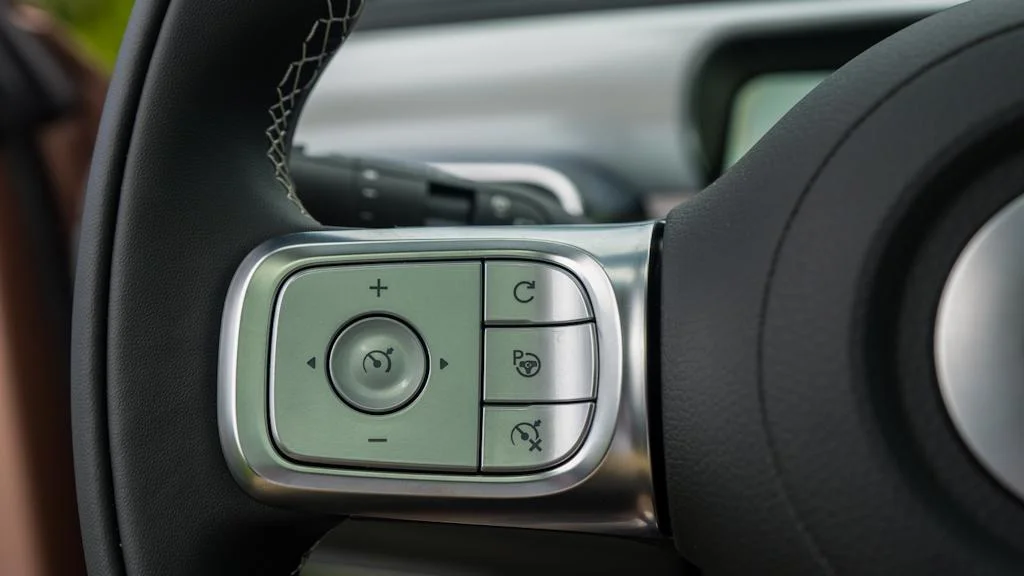
To activate the full suite of driver assistance features, press the button on the left side of the steering wheel (provided the settings have been configured in advance).
In real-world testing, the lane-keeping system demonstrated strong lateral control, keeping the vehicle centered in the lane.
The ACC following capability was also stable. After activating it on a two-lane road and briefly taking back lateral control by signaling, the ACC continued to function normally, with braking force even smoother than my own driving. The ACC’s restart time after stopping is 10 seconds; subsequent activation requires pressing the accelerator pedal.
The smart #1’s lane-change feature, activated by signaling, is particularly interesting. This function integrates high-definition map data, so on highways with good signal coverage, the instrument cluster displays the lane in green to indicate that a lane change via signaling is possible.
In practice, the smart #1’s lane-change response is quite conservative. At speeds around 100 km/h on the highway, it appears to require approximately 100 meters of clear space in the target lane before initiating a lane change. The steering input is relatively small, making the maneuver smooth and gentle.
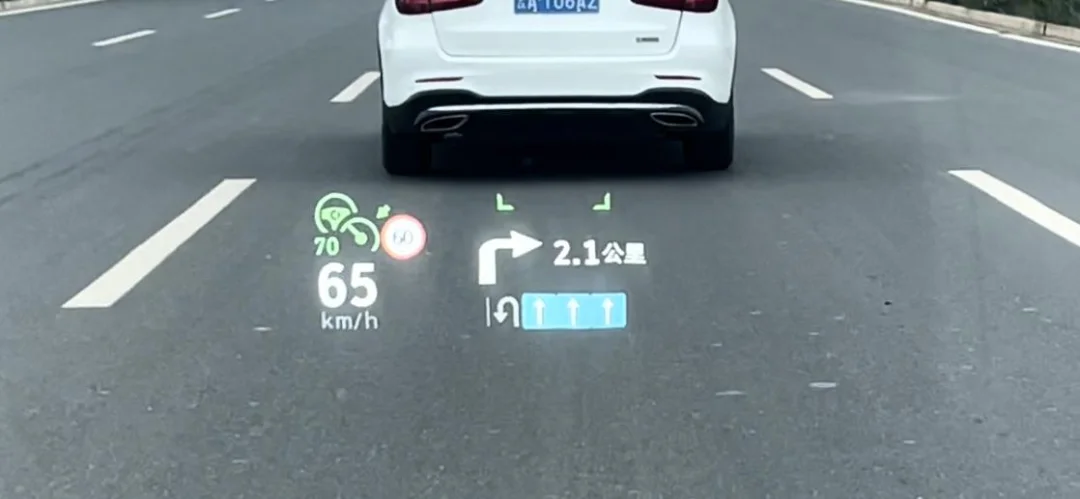
Another notable detail is the blind-spot monitoring on the smart #1, which alerts the driver with orange dots on the HUD—a fairly innovative approach.
While the driver assistance system was active, I observed several scenarios it did not cover:
For stationary buses intruding into the lane, the smart #1 reacted sluggishly, requiring manual intervention.
The vehicle failed to recognize the traffic cones.
06Final Thoughts
How do you create a hit model? I believe this is the ultimate challenge for every automaker.
After test-driving the smart #1, I saw that smart’s answer to this question has only just begun:
A model with no direct competitors, a price offering good value, an experience that feels remarkably consistent, and a team fully committed to the product. During the drive, Yang Jun, who accompanied me throughout the test, said this in response to my questions:
This car took three and a half years from R&D to now. We did everything ourselves; there was no room to shirk or evade responsibility.
I’d like to follow up on Zhang Mingxia’s comment at the dinner:
We took over marketing of this product from Yang Jun. We are a team, and we will continue to push it forward.
I believe the core metrics for a hit product are "cost-effectiveness" and positioning, which this article presents in considerable detail. However, the team is the underlying factor that made this outcome possible. How to create a hit product is only half-answered by smart; delivery and long-term user service constitute the other half of the answer. We will wait and see.
Written by: Liu Guangding Edited by: Lu San