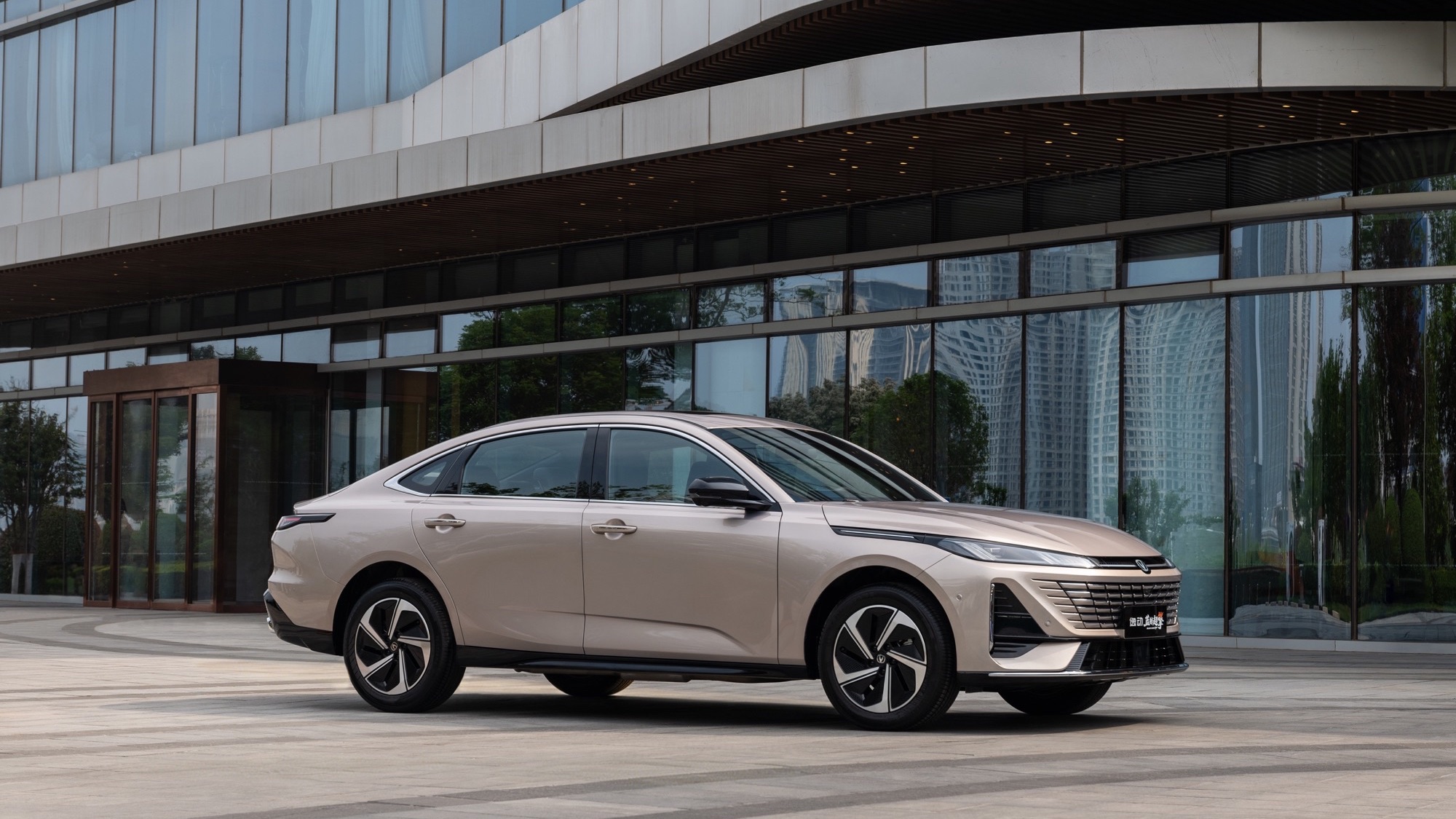
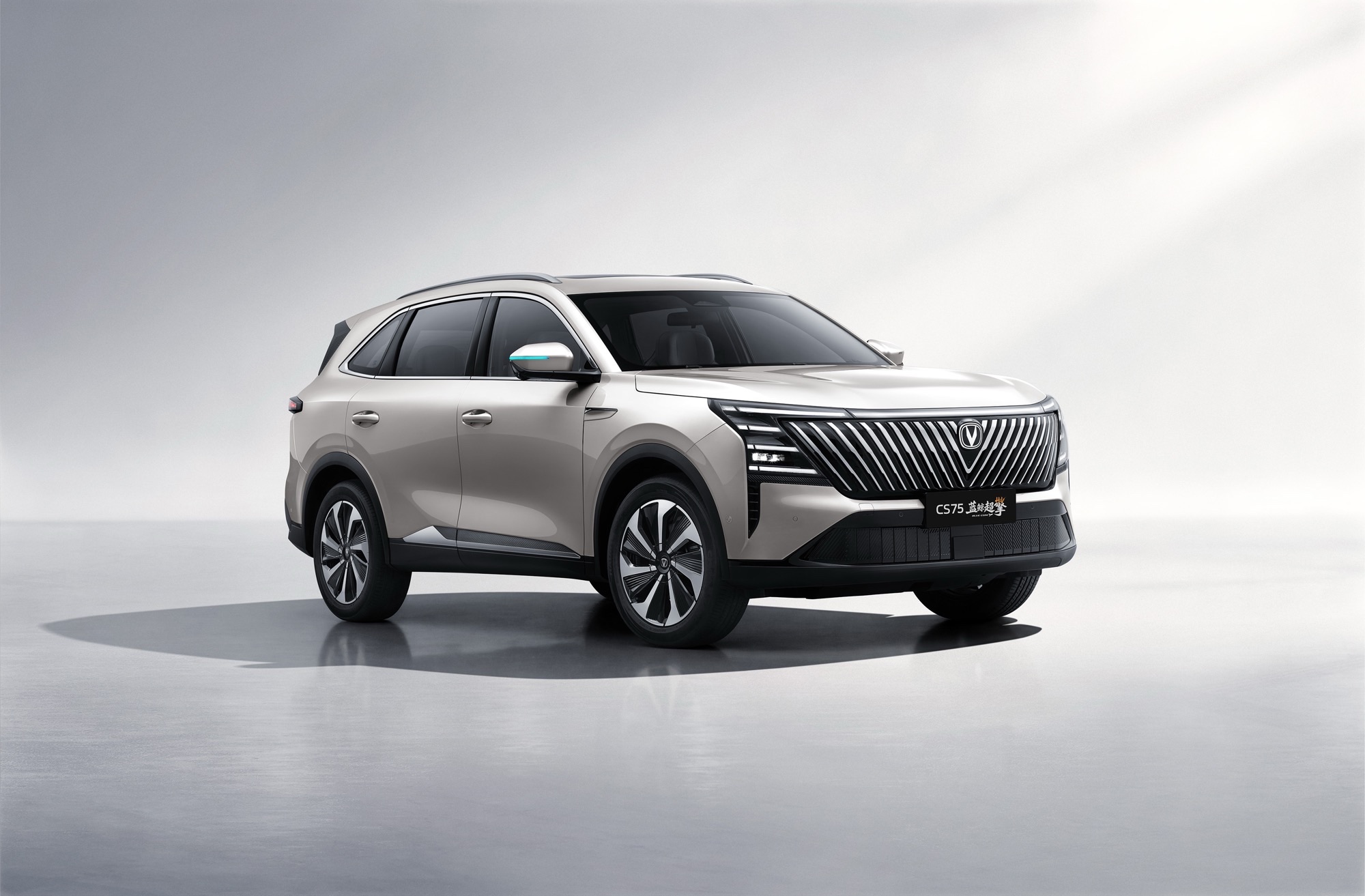
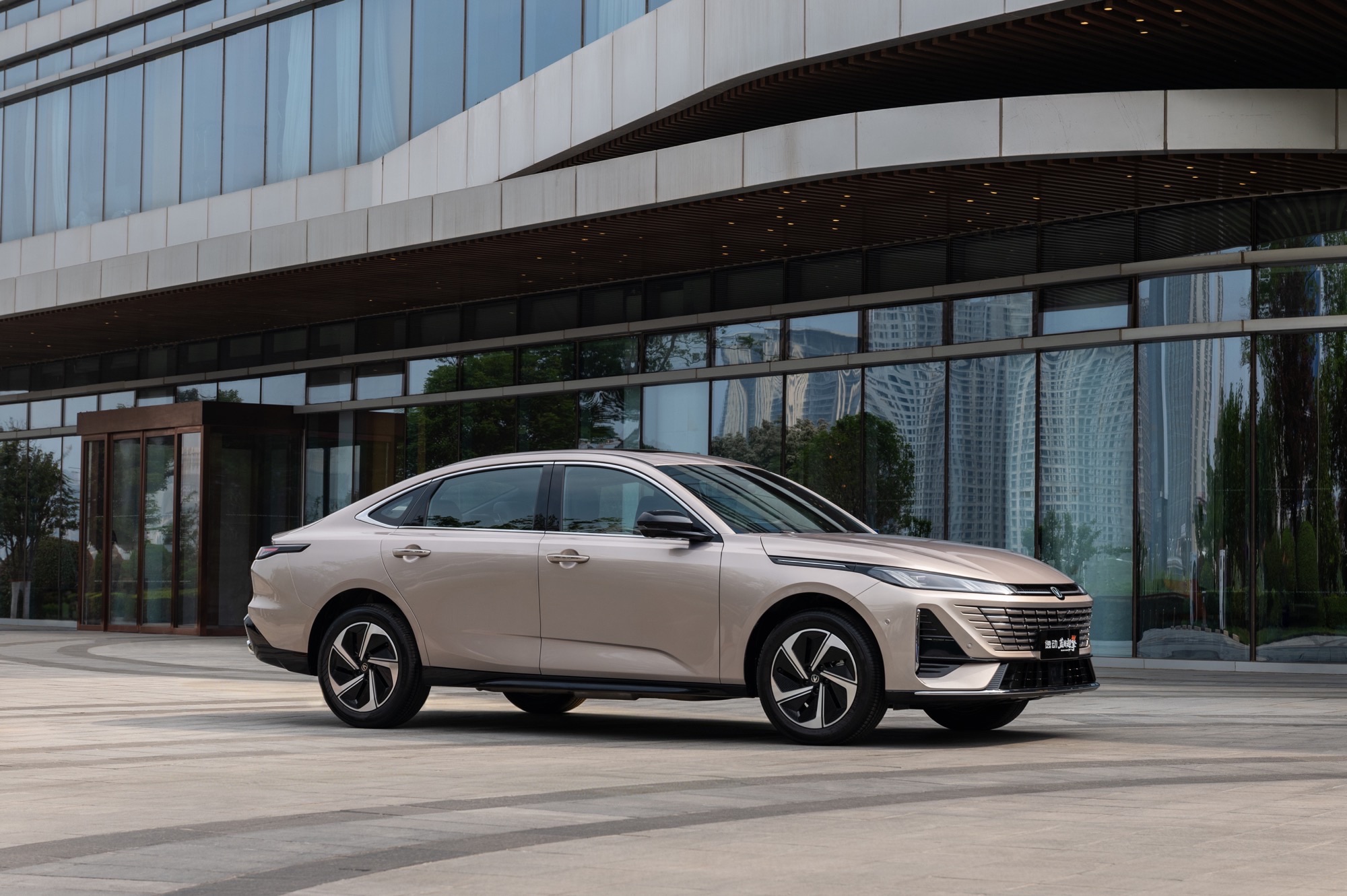
At the 2026 Beijing Auto Show, Changan Automobile unveiled the global debut of the fourth-generation CS75PLUS Blue Whale Super Engine and the fourth-generation Eado Blue Whale Super Engine. More significant than the product release itself is the indication that its hybrid technology, the “Blue Whale Super Engine,” is entering the scale-up phase, aiming to redefine pricing and value in the mainstream fuel vehicle market.


In terms of product positioning, the two models target the 100,000 yuan SUV and 70,000 yuan compact sedan segments, covering the most mainstream fuel vehicle consumer market. Notably, the Eado Blue Whale Super Engine lowers the hybrid threshold to the 70,000 yuan level, while the CS75PLUS Blue Whale Super Engine emphasizes “full configuration” and comprehensive experience in the compact SUV market, striving to create differentiation through the combination of features and technology.
On the technological front, the core appeal of the Blue Whale Super Engine lies in its “balance of efficiency and performance.” Official data suggests that urban cycle fuel consumption can be reduced by about half, entering the 3L range, while still maintaining rapid power response. This approach fundamentally resolves the long-standing contradiction of traditional hybrids being “fuel-efficient but not enjoyable to drive” and fuel vehicles being “decent in performance but costly.”
More notable is the change in its product strategy. Departing from the previous focus on configuration hierarchy, the new models adopt a “standard is high-level” mentality, incorporating intelligent cockpits, assisted driving, and safety features extensively. The essence of this strategy is to amplify scale advantages by reducing consumer decision-making costs, signaling a shift of hybrid technology from a “technological highlight” to “mass adoption capability.”
In terms of intelligence, Changan also integrates AI with cockpits and assisted driving, including voice interaction connected to large models and integrated driving and parking assistance functions. Though still aligned with the current industry norm, the significance lies in bringing these capabilities to a lower price range, making “intelligence” no longer confined to high-end new energy vehicles.
In summary, Changan’s latest move reveals a clear intent: using hybrids as a pivot to “redefine” the traditional fuel vehicle market. When fuel consumption, features, and intelligence capabilities are reconceived within the same price range, existing product logic is disrupted.
The viability of this strategy will hinge on two critical factors: the stability and cost advantages of the Blue Whale Super Engine in real-world scenarios and its ability to rapidly achieve scale in the retail market. Should these objectives be met, the penetration speed of hybrid models into the mainstream market may…Will further accelerate.
This article is a translation by AI of a Chinese report from 42HOW. If you have any questions about it, please email bd@42how.com.