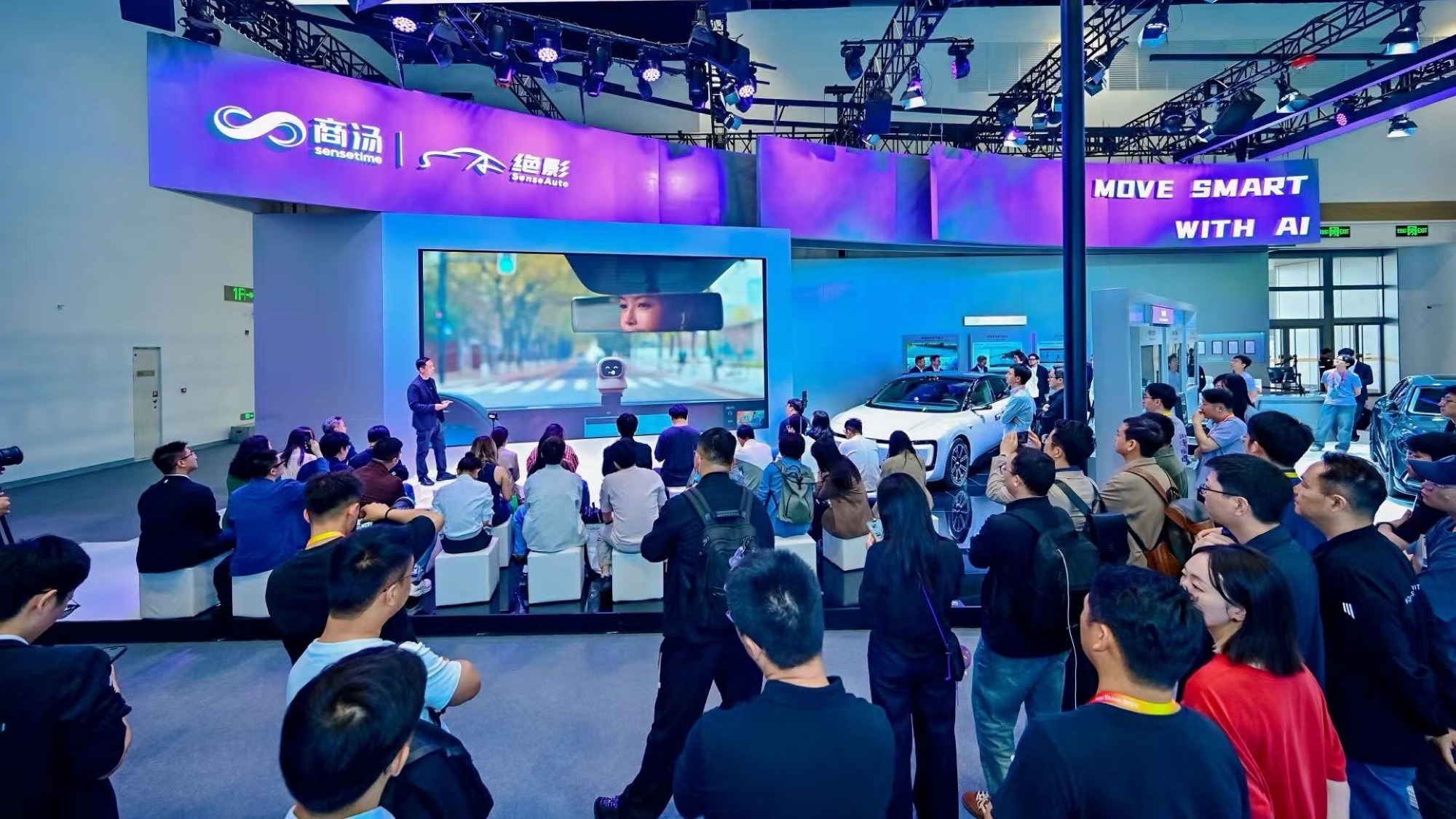
At the 2026 19th Beijing International Automobile Exhibition, the core of competition in automotive intelligence has notably shifted. SenseTime’s display of their comprehensive “Integrated Cockpit Driver” full-scenario intelligent products offers the industry a clear observation sample. This marks the transition from mere function stacking to a new era of “super intelligent entities” with autonomous thinking, complex decision-making, and complete execution capabilities.
Technological Foundation: Efficiency Revolution under Edge-Side Model Architecture
Currently, the evolution of smart cockpits is facing dual pressures from processing power bottlenecks and operational costs. SenseTime’s latest offering, Sage Box, aims to address this challenge through a fundamental restructuring of its architecture. This solution comprises a three-tiered technology architecture: the Sage edge-side model, Sage OS, and the New Member native intelligent entity.
The Sage edge-side model, the industry’s first foundational model enabling complex intelligent entity capabilities on vehicles, is now deployed on mainstream computing platforms like Nvidia Orin X. Favoring edge-prioritized interaction over traditional cloud-reliance, this approach results in rapid response times with feedback latency reduced to 0.5 seconds. The industrial value lies in avoiding costly cloud communication via edge inference, achieving a “zero-cost token” operational mode. For automakers, this enhances user experience continuity and significantly lowers backend infrastructure investment in large-scale operations. With Sage OS’s three-layer security reinforcement, vehicles can establish a stable and evolutionary autonomous “brain” while ensuring privacy.
Scenario Reconstruction: New Eco of Intelligent Mobility Driven by Cockpit-Driver Integration
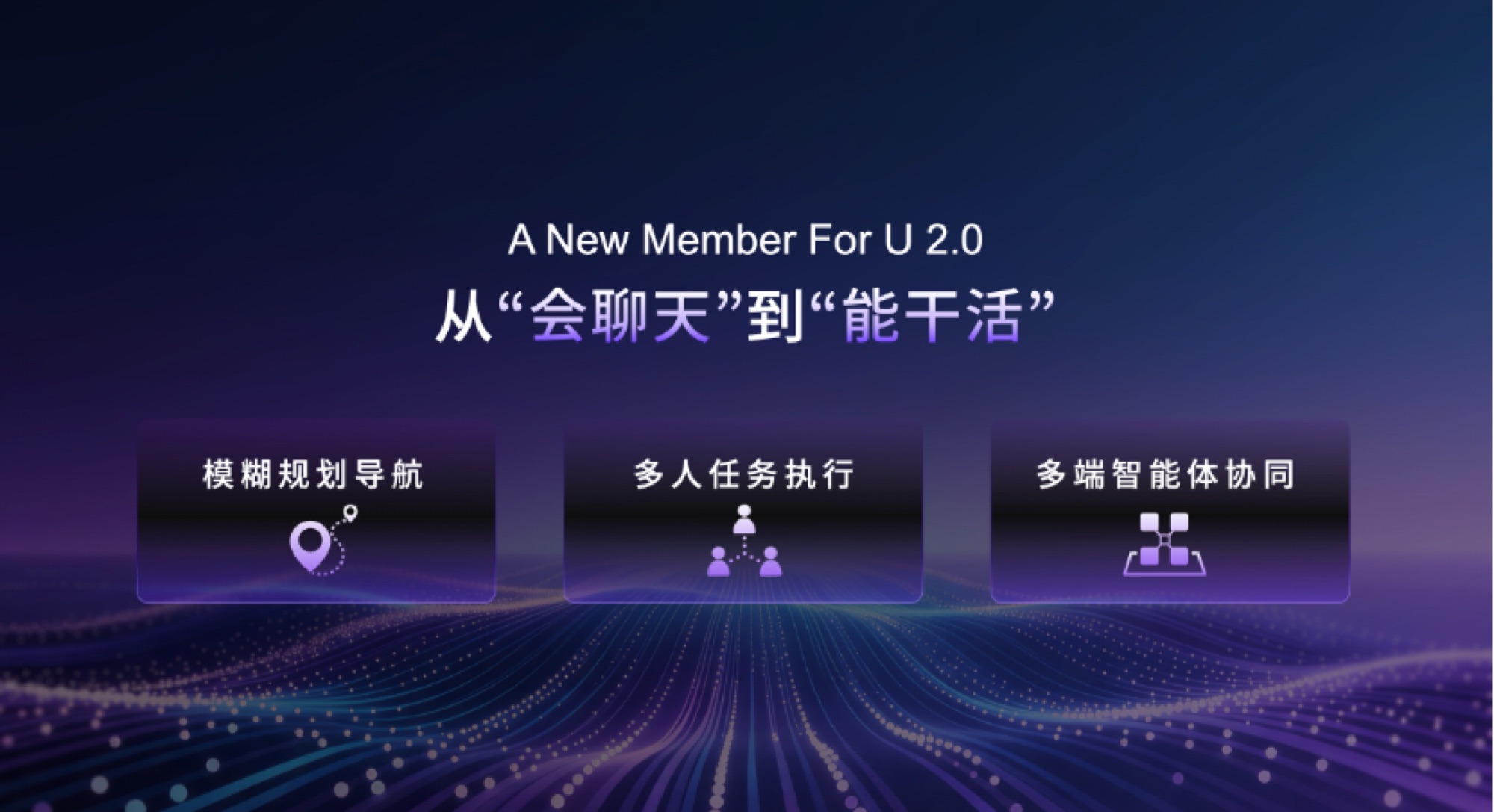
At the application level, SenseTime shifts research focus from “passive response to commands” to “active task execution.” The newly upgraded New Member 2.0 embodies this strategy, evolving from mere voice interactions to practical execution by understanding user intentions through multimodal perception. For instance, the system can plan trips using historical memory and handle concurrent instructions within the cabin. By bridging cars, homes, offices, and other environments, New Member 2.0 seeks to create seamless intelligent synergy across different spatial terminals.
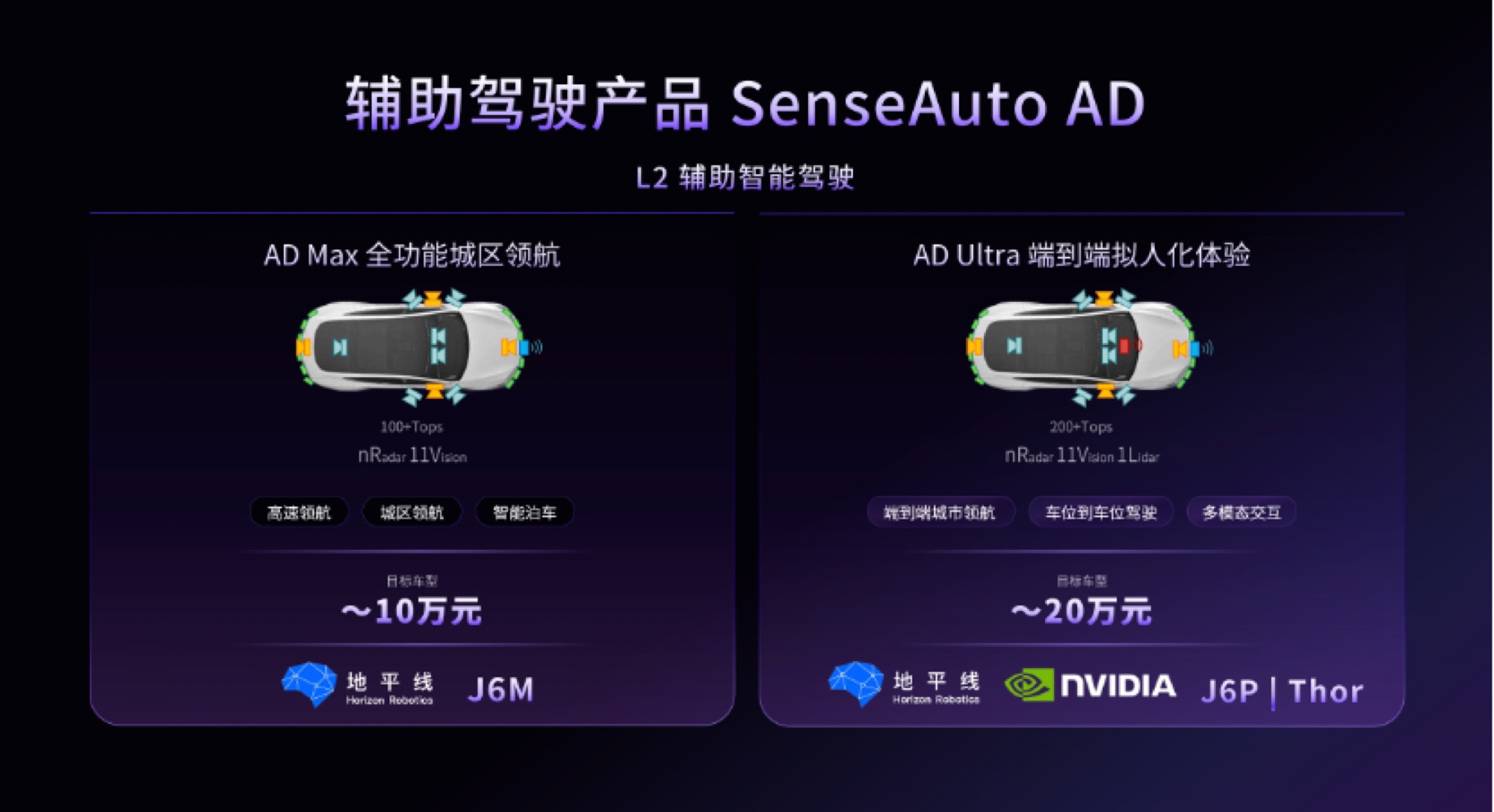
On the driving front, the R-UniAD 2.0 generative intelligent driving solution represents a shift from rule-driven to learning-driven evolution. This solution integrates world models and reinforcement learning, allowing direct driving behavior intervention via natural language commands, bringing the intelligent driving experience closer to human driver logic. The unified intelligent foundation now comprehensively addresses L2 to L4 intelligent driving needs and adapts to various chip platforms like Horizon J6 and Nvidia Thor.The deep collaboration between SenseTime’s Jueying and T3 Mobility was unveiled at this auto show, with the jointly developed SenseAuto Go Robotaxi cabin-drive integration new product scheduled to commence trial operations within the year. This model, which deeply integrates advanced autonomous driving and proactive cabins, demonstrates the potential for unmanned mobility to evolve from a singular transport tool to a mobile intelligent space. By the end of 2025, SenseTime’s Jueying partners include more than 30 mainstream car manufacturers such as Chery, NIO, BYD, Honda, covering 188 models, with a cumulative delivery volume of nearly 5.5 million vehicles. This scale of implementation ability is accelerating the comprehensive transformation of the automotive industry towards the stage of superintelligent entities.
This article is a translation by AI of a Chinese report from 42HOW. If you have any questions about it, please email bd@42how.com.