Short range, slow charging, unable to pass Shanhaiguan – these were the pain points for EV users a decade ago, and they remain significant today.
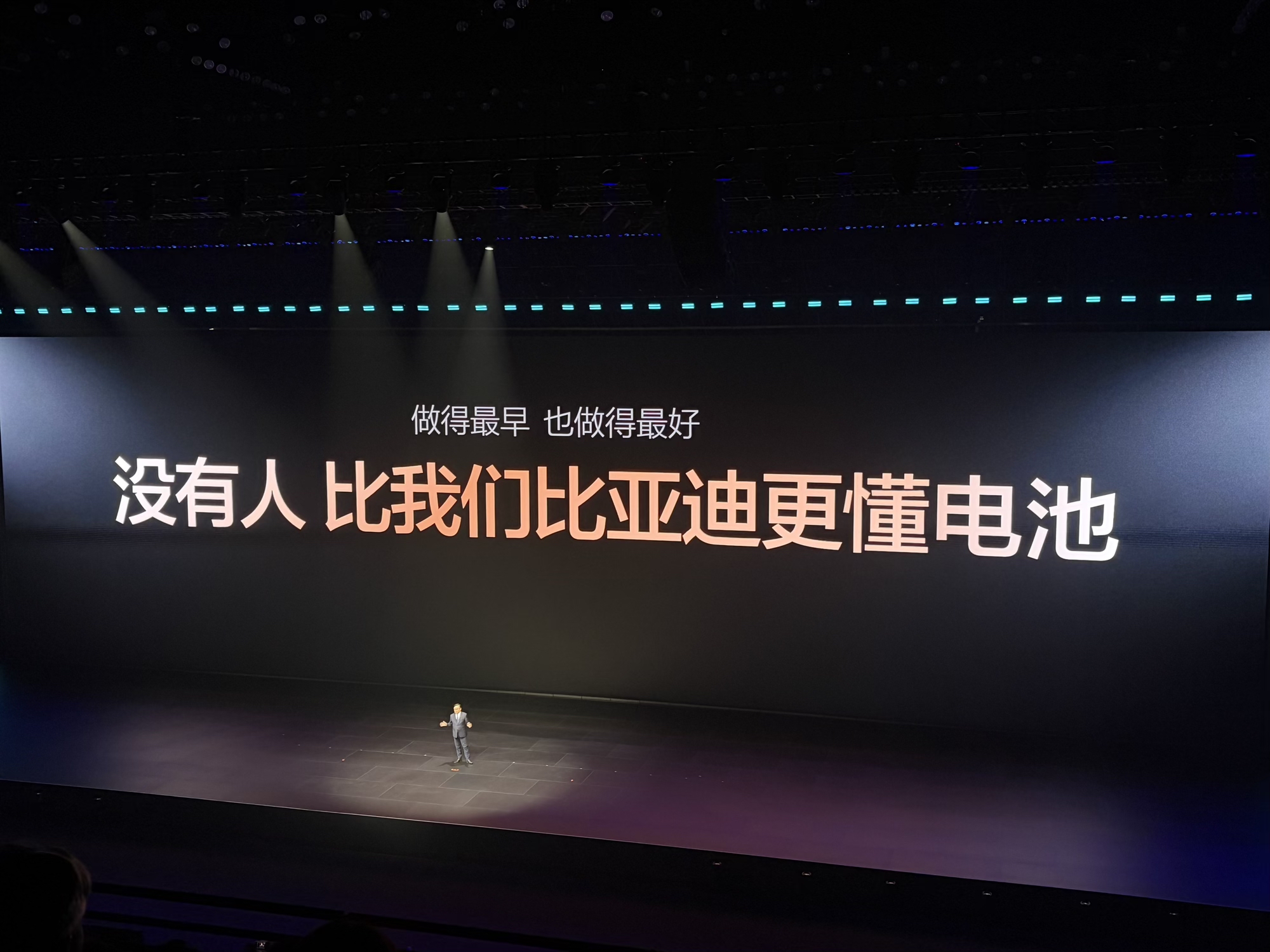
To tackle these issues, Wang Chuanfu is confident, saying: “No one understands batteries better than BYD.”
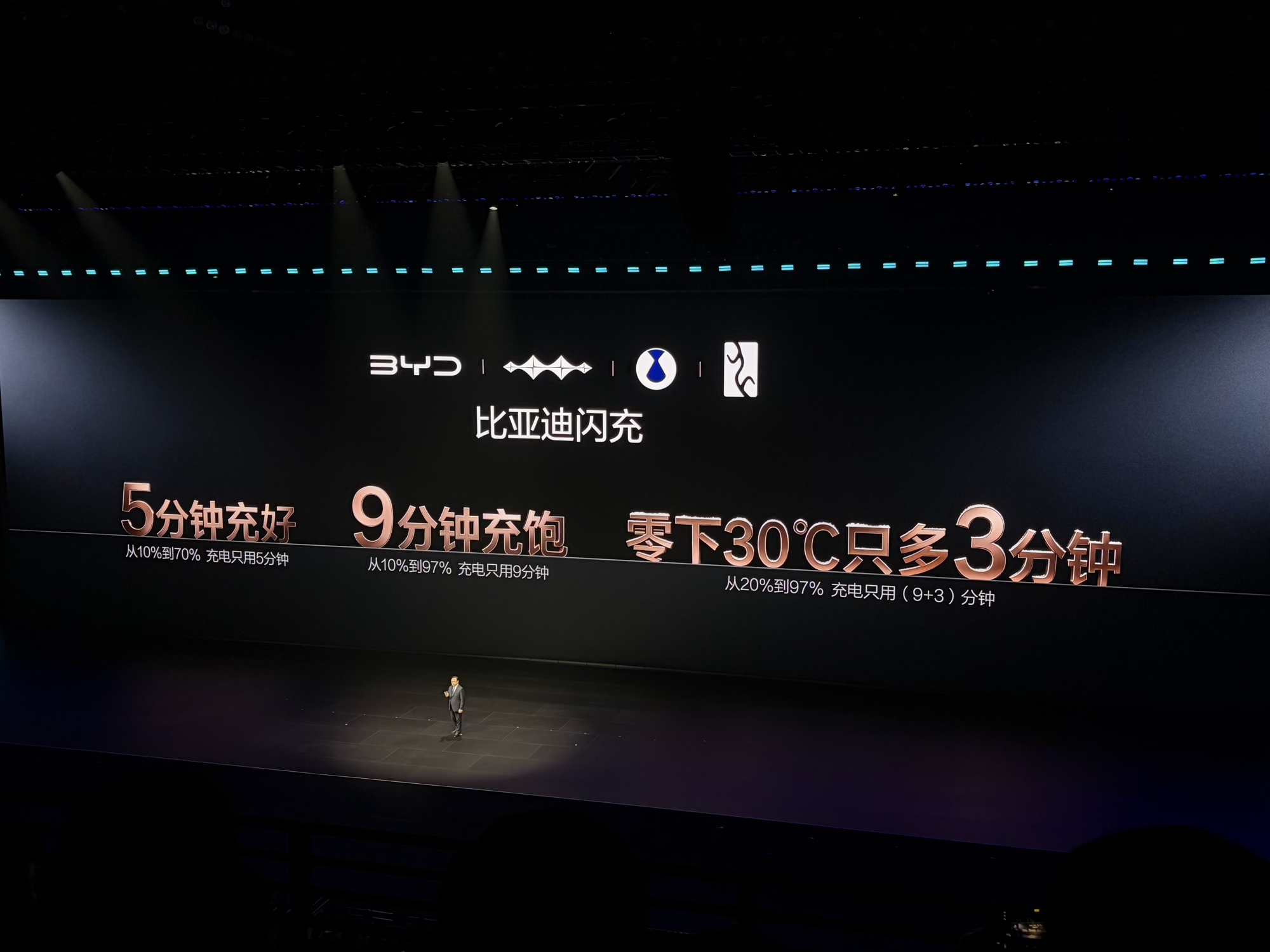
Last night, BYD unveiled its second-generation Blade Battery and fast charging technology, significantly narrowing the gap between charging and refueling times once again. Charging from 10% to 70% now takes just 5 minutes; even charging to nearly full at 97% requires only 9 minutes; at minus 20 degrees Celsius in cold start conditions, charging from 20% to 97% takes just 12 minutes.
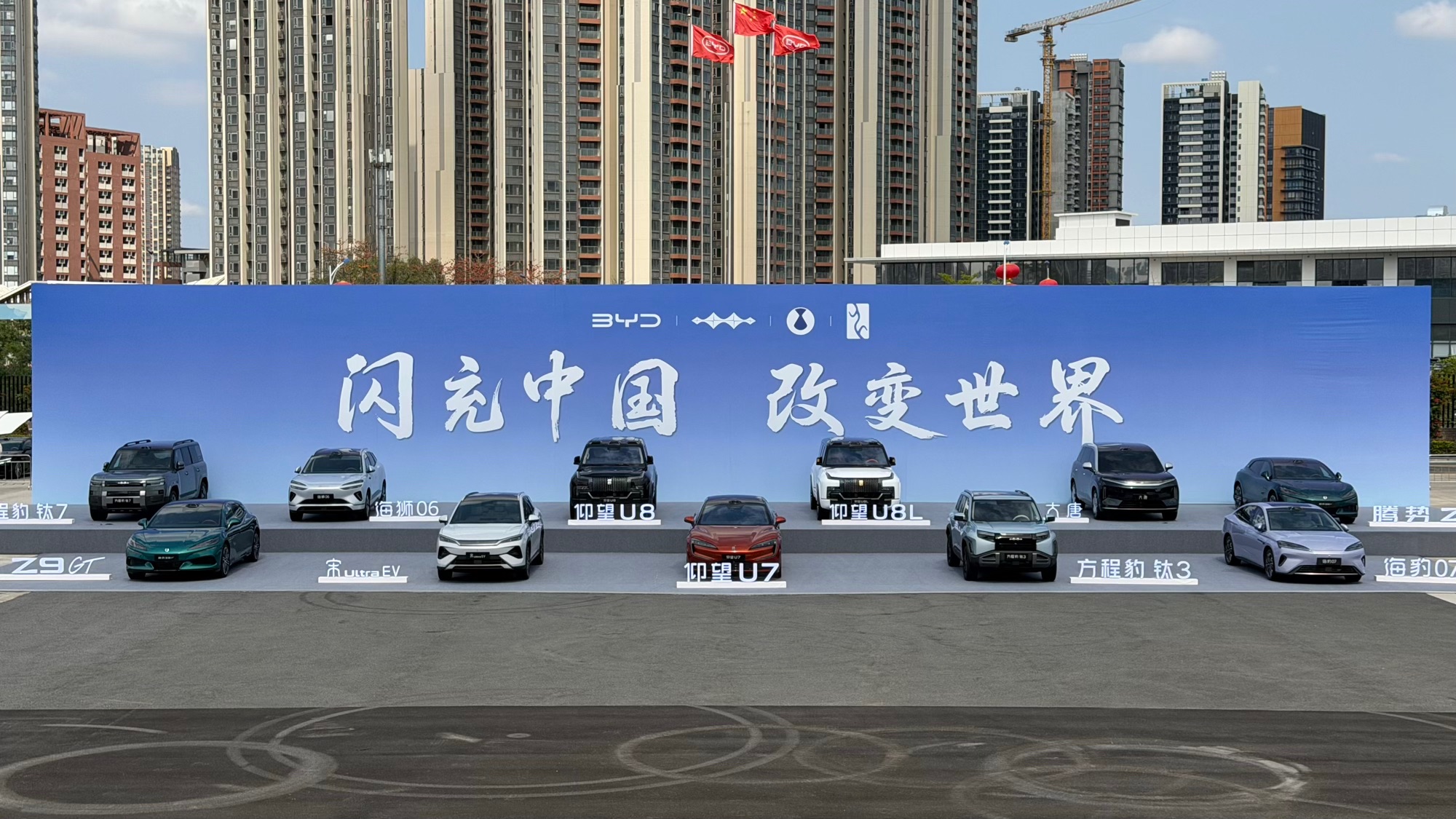
Simultaneously, BYD announced plans to establish 20,000 fast charging stations within the year, enabling owners to experience ultra-high-speed charging genuinely. Ten models equipped with the second-generation Blade Battery debuted at last night’s launch and are expected to begin delivery as soon as this month.
However, it’s not enough to simply charge quickly in the face of increasingly demanding customer expectations. During the 3-hour event last night, BYD presented a comprehensive solution, with the ultimate goal of continuing strong vehicle sales through 2026.
Can Charging Be Even Faster?
Almost precisely a year ago, BYD introduced megawatt fast charging technology. Models equipped with this could achieve up to 1,000 kW of charging power. A year later, megawatt fast charging is a thing of the past, as Wang Chuanfu believes the time has come for a qualitative leap from quantitative changes.
Why say this?
The second-generation Blade Battery, paired with fast charging technology, allows for charging to 70% in 5 minutes, 97% in 9 minutes, and just 3 extra minutes at minus 30°C. The key is, fast charging is consistently fast.
Before the launch, we were invited to BYD’s headquarters to test fast charging on-site. The FangChengBao Titanium 3, equipped with the second-generation Blade Battery, charged from 10% to 97% in 8 minutes and 48 seconds. Meanwhile, the DENZA Z9 GT, fully charged, showed a range of 1,009 km in 9 minutes and 12 seconds.
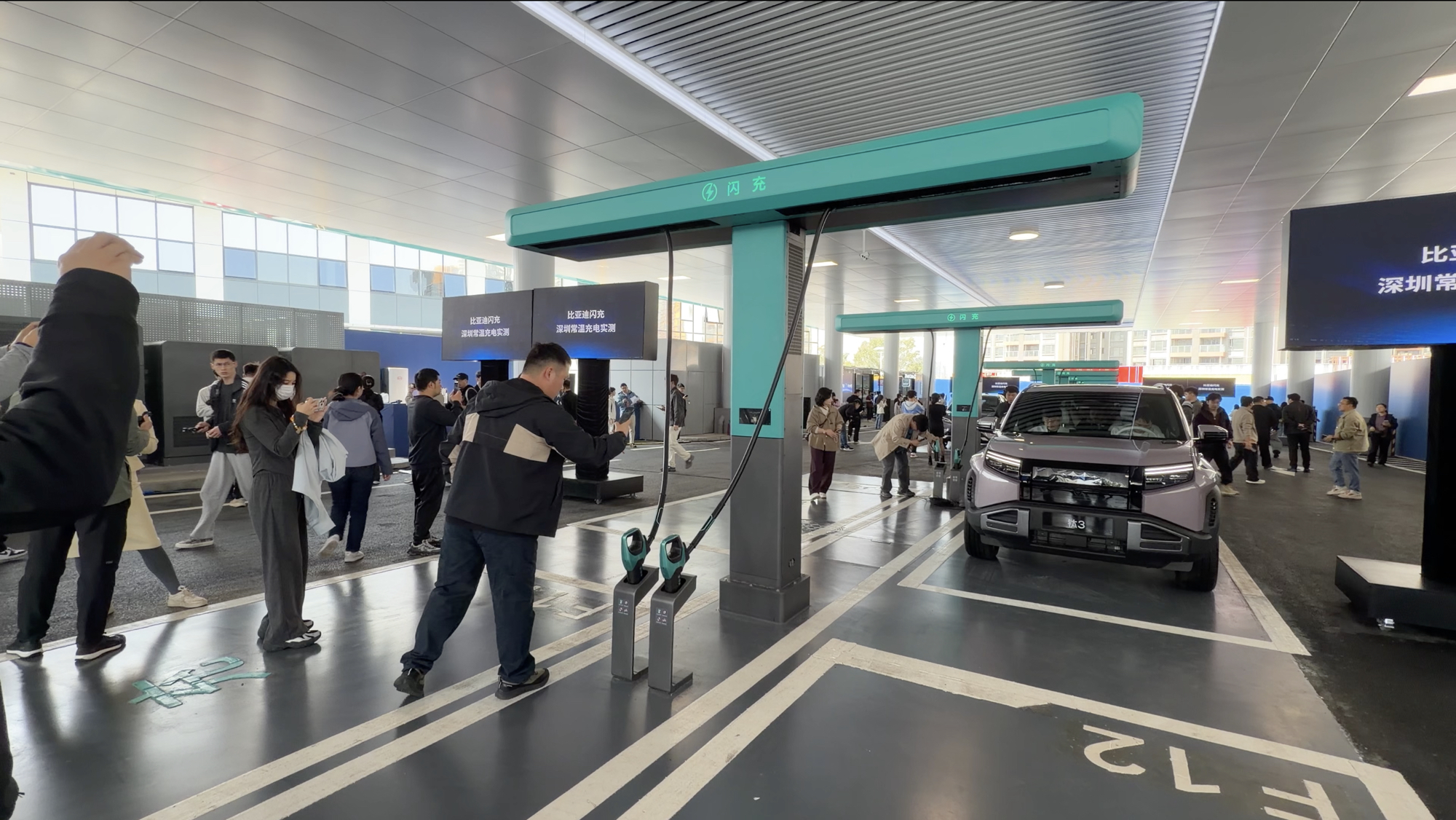
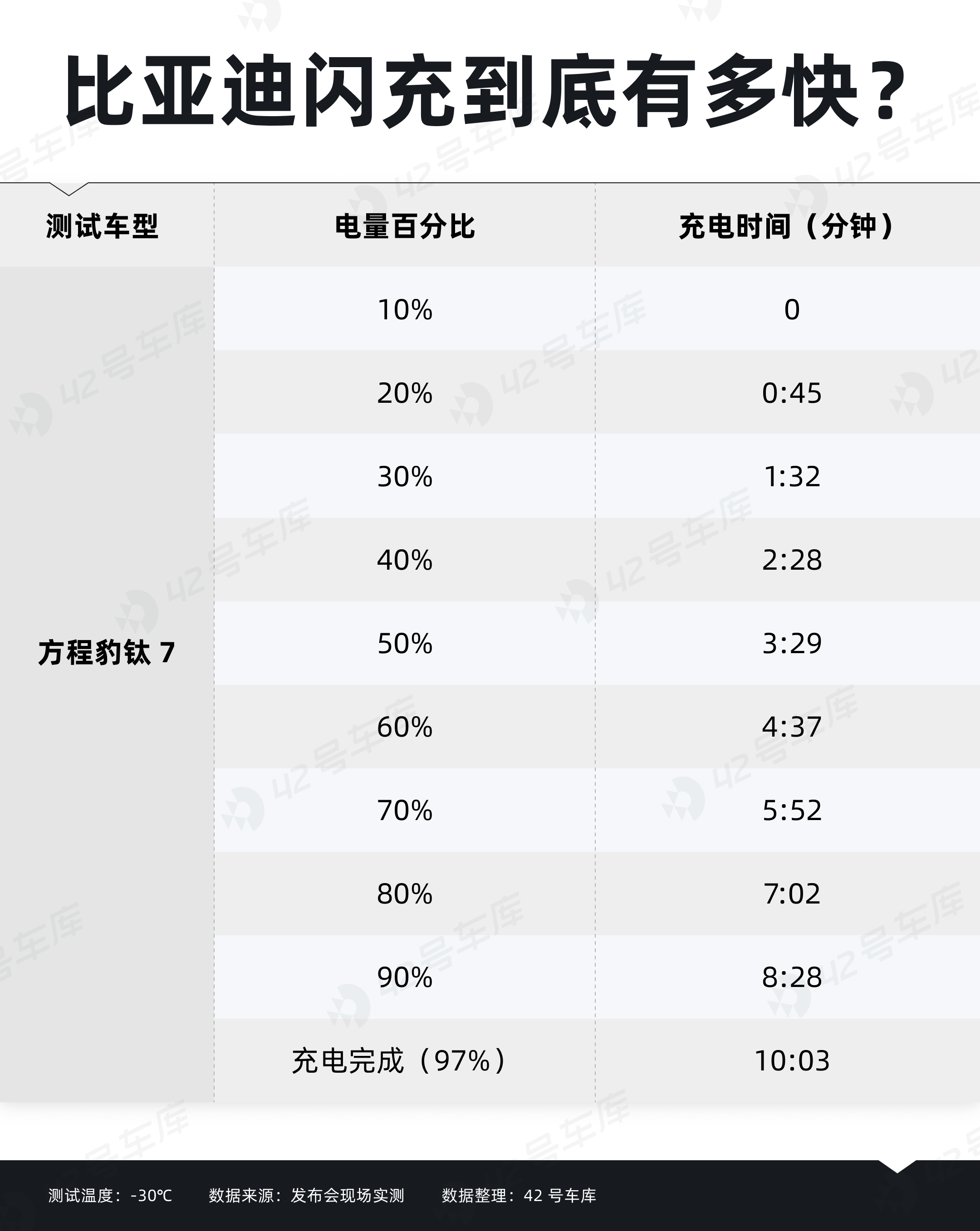
Moreover, BYD set up a minus 30℃ cold storage facility on-site, where a fully iced FangChengBao Titanium 7 was tested live. Charging from 10% to 97% took 10 minutes and 3 seconds.After organizing the data, it can be observed that charging from 10% to 30% is the fastest for fast charging, taking about 45 seconds for each 10%. Thereafter, each subsequent 10% on average takes 1 minute. When battery levels reach over 80%, most vehicles on the market begin to charge more slowly, but the fast charging remains impressively quick, taking just 1.5 minutes to go from 80% to 90%.
Compared to refueling, while BYD’s fast charging takes 9 minutes at room temperature and 10 minutes in extreme cold, which is somewhat slower, it is getting closer to the time required for refueling. This implies that the day when charging and refueling take the same amount of time is drawing nearer.
Fast Charging Doesn’t Solve Everything
Fast charging capabilities are evident, but the potential downsides are significant too. Not just BYD but the entire new energy vehicle industry faces similar issues when launching faster charging:
- Does fast charging damage the battery?
- Charging stations that support fast charging might be too far from home, or the car company doesn’t build any.
- On highways, replenishing energy is still 60kW, and there’s a queue during holidays.
- Is the battery really safe?
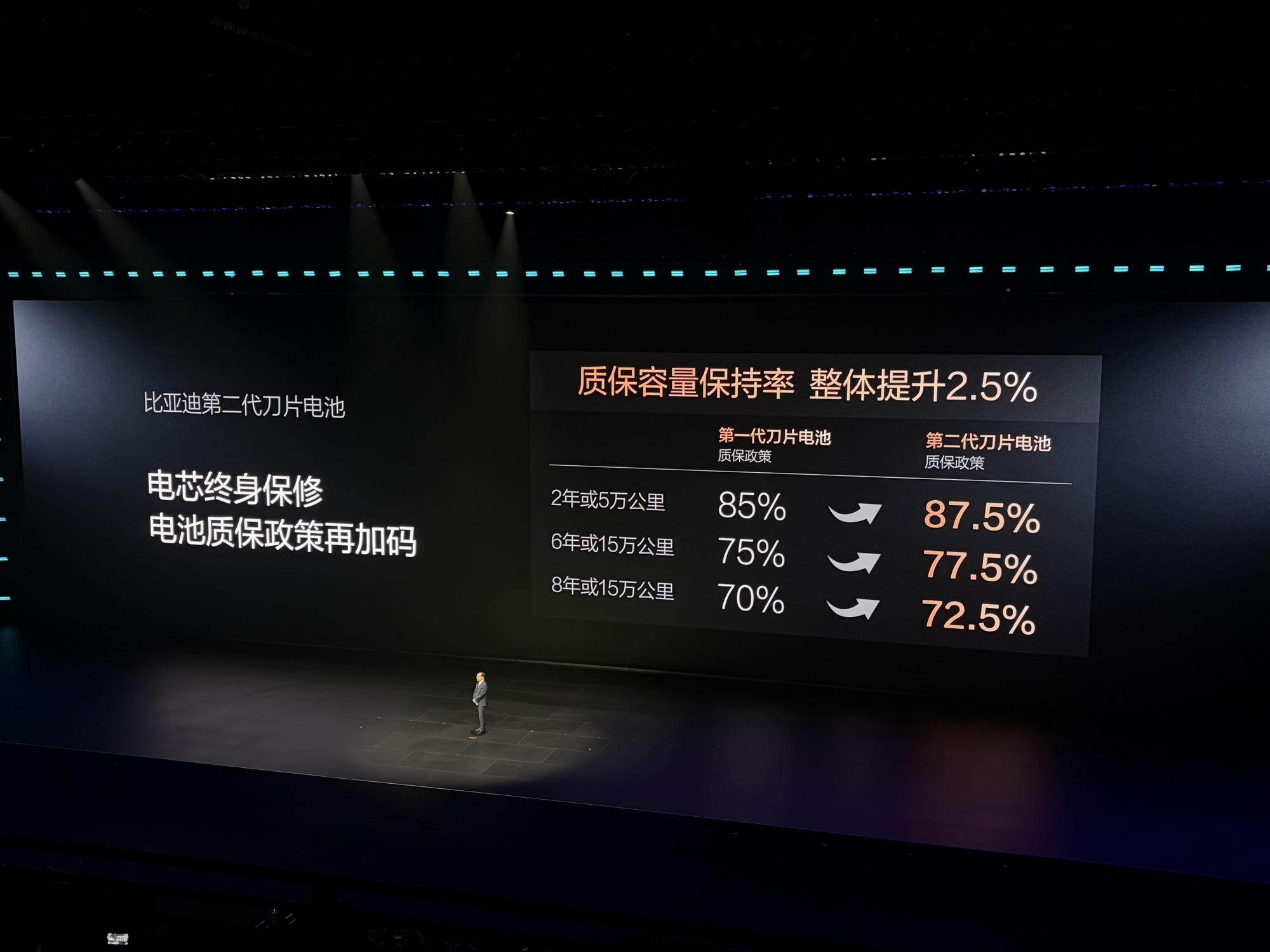
Concerned about fast charging damaging the battery? BYD has increased the warranty. Compared to the first generation of Blade Batteries, the warranty capacity retention rate for the second generation has increased by 2.5%. After 2 years or 50,000 kilometers, 6 years or 150,000 kilometers, and 8 years or 150,000 kilometers, if the battery capacity falls below 87.5%, 77.5%, and 72.5% respectively, it qualifies for warranty.
Meanwhile, BYD has finally started large-scale construction of its own charging stations, aiming to establish 20,000 fast-charging stations by the end of this year. The figure of 20,000 is composed of:
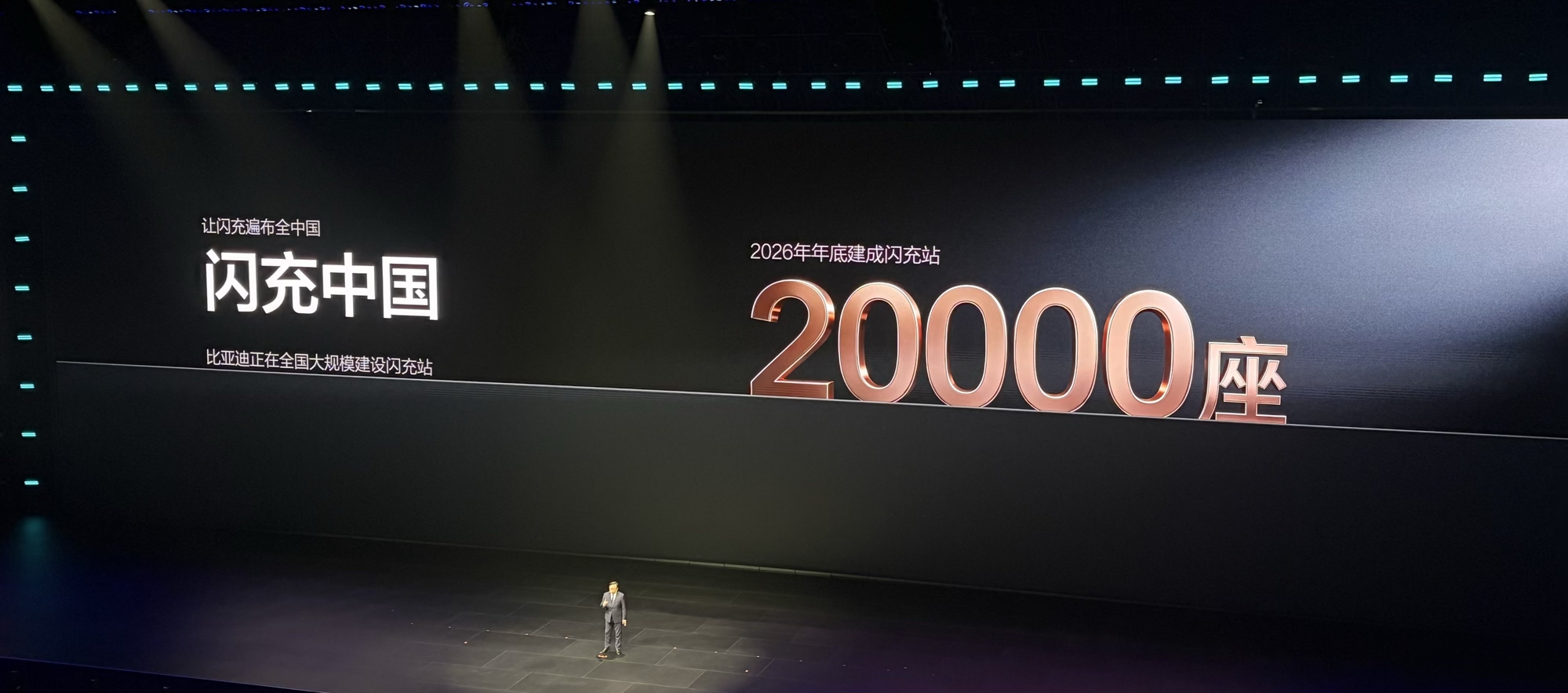
- 2,000 of these stations will be entirely built by BYD, located in highway service areas. The first batch of 1,000 fast-charging stations is set to be completed before the May Day holiday.
- Another 18,000 will be based on existing public charging stations, transformed into fast-charging stations in collaboration with different charging companies. Wang Chuanfu states that transforming a charging station is as simple as installing an air conditioner.
In fact, the transformation of fast-charging stations in itself is not difficult, but there are other challenges to overcome.
According to Wang Chuanfu’s explanation, each fast-charging pile will be equipped with an energy storage battery. This storage battery acts as a reservoir of electrical energy, reducing the pressure on the grid during fast charging, and also serves as a power amplifier, enabling high-power charging for vehicles.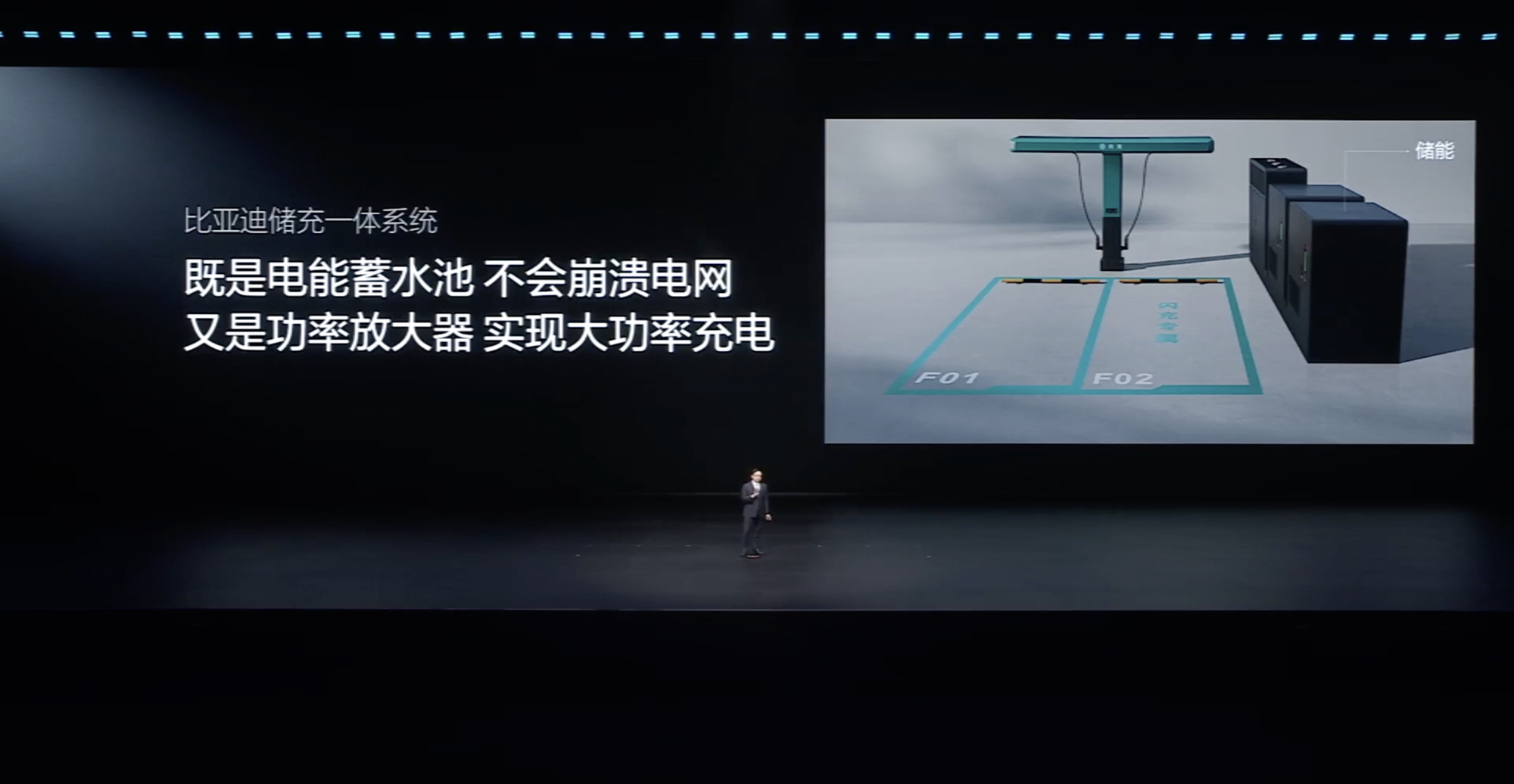
Wang Chuanfu stated, “When retrofitting existing charging stations, even with a capacity of only 100 kW, adding an energy storage system can magnify the charging power tenfold to 1 MW, transforming it into a flash charging station.”
A key question: Who will bear the cost of this energy storage battery?
At last night’s launch event, Wang Chuanfu also introduced the safety performance of the second-generation Blade Battery. BYD conducted the following rigorous tests:
- The second-generation Blade Battery, after 500 cycles, underwent simultaneous flash charging and acupuncture tests. Whether at approximately 70% charge or at high charge of around 96%, the battery cells showed no smoke, fire, or explosions post-acupuncture.
- The second-generation Blade Battery pack triggered thermal runaway in 4 internal cells, yet after 24 hours of static state, the battery pack did not catch fire or explode. (The new national standard requires no fire or explosions after thermal runaway of 1 cell)
- The battery pack withstood 3 bottom impacts of 300J, 1000J, and 1500J, still without catching fire or exploding. (The new national standard requires 150J)
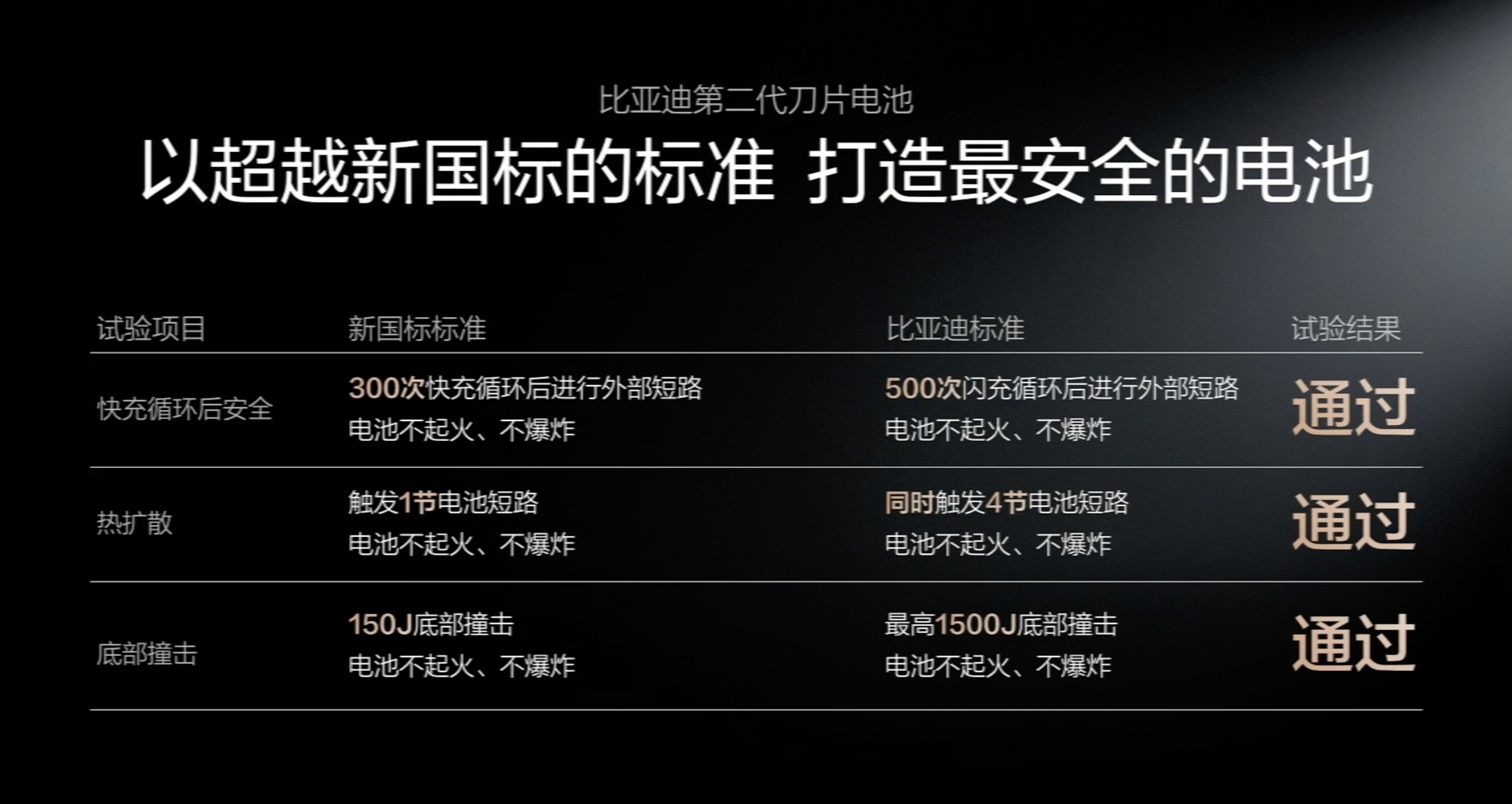
It can be said that BYD’s second-generation Blade Battery and flash charging technology have indeed reached a critical point of qualitative transformation from quantitative change.
According to the plan, the first batch of models equipped with the second-generation Blade Battery covers the Dynasty Network, Ocean Network, DENZA, FangChengBao, and Yangwang, encompassing a total of 10 models, with prices ranging from the entry-level tens of thousands to over a million yuan. More importantly, BYD’s self-built charging stations can better leverage flash charging technology, allowing more users to benefit from it daily.
The competition in the 2026 automotive market is already underway, and dealing with sales pressure, the challenge of retaining users and attracting new ones is a mandatory equation. BYD’s major release at the start of the year also marks the annual trend: As the experiences of refueling and charging become increasingly similar, will new energy vehicles become the go-to choice for more people?
This article is a translation by AI of a Chinese report from 42HOW. If you have any questions about it, please email bd@42how.com.