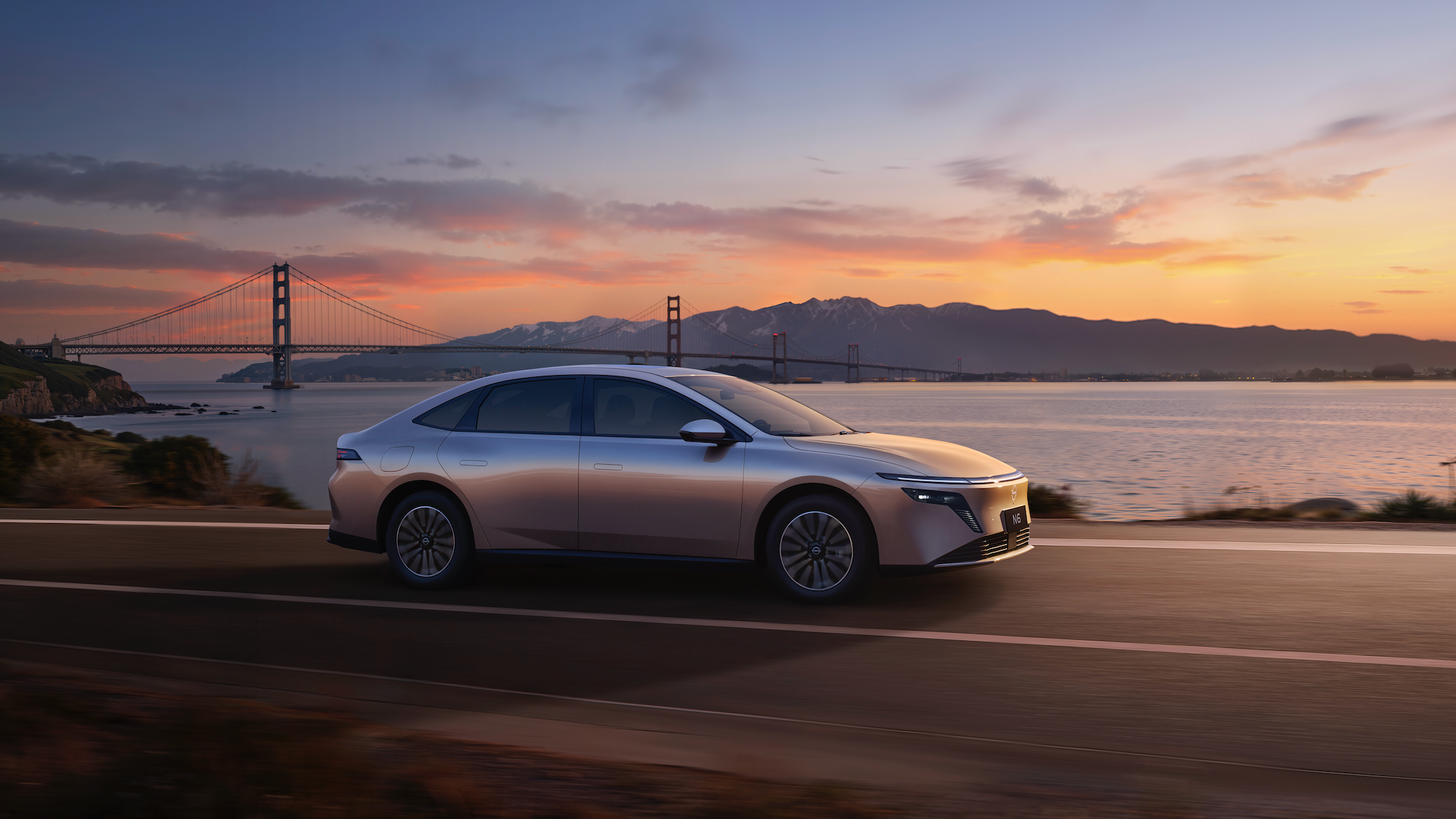
“To let families drive the N6 home sooner,” Dongfeng Nissan N6 was launched yesterday with a total of 5 versions available, with limited-time offering prices of 91,900 – 121,900 RMB.
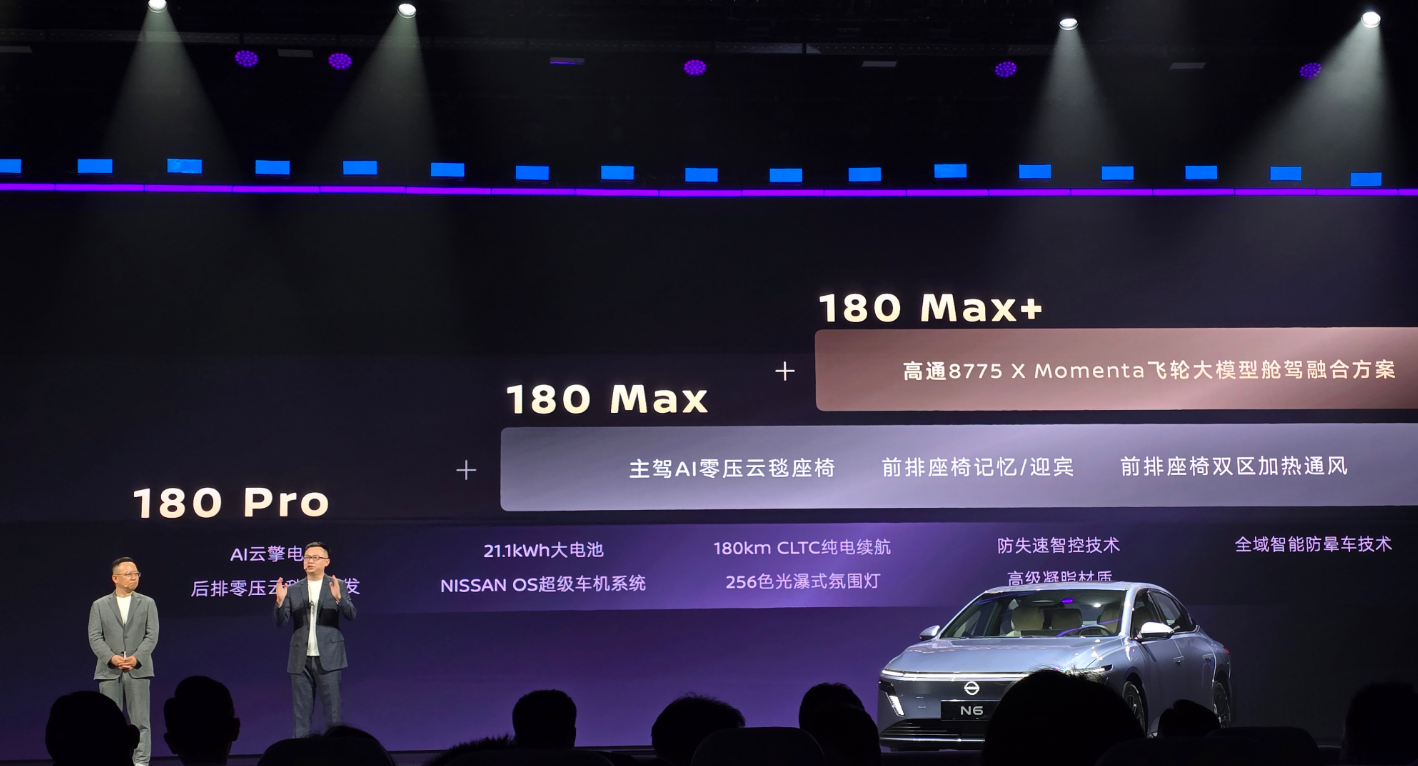
Building on the three configurations announced during the pre-sale phase, Dongfeng Nissan N6 has added two additional configurations: 180 Air and 170 Max+ Flagship. AI Yunqing Hybrid, batteries over 20 kWh, and zero-pressure cloud blanket large sofa in the rear are standard across all models. The main differences lie in the 180 Max+ and 170 Max+ Flagship versions which are equipped with Qualcomm Snapdragon 8775 chips, 15.6-inch 2.5 K central control screens, etc. The 180 Air and 180 Pro versions lack seat ventilation, heating, and massage functions. Hardware-wise, like the 180 Max version, they feature a 14.6-inch 2.5 K central control screen and Qualcomm Snapdragon 8155 chip. The Air version, as the lowest configuration, lacks any auxiliary driving functions.
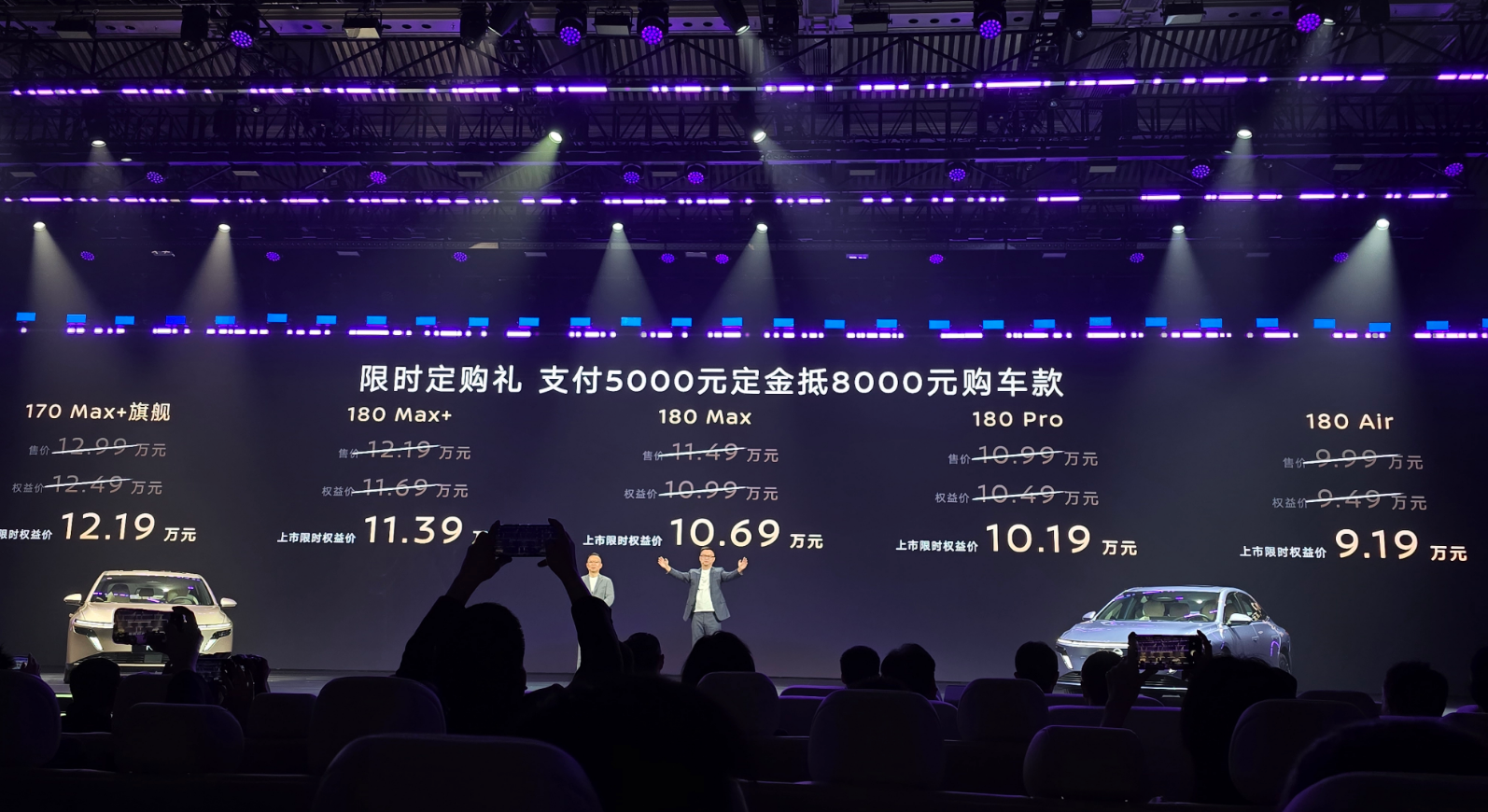
The 180 Max and 180 Pro versions will begin deliveries tomorrow, while the 180 Max+ and 170 Max+ Flagship versions will start delivery in February next year due to Snapdragon 8775 chip production scheduling.
The launch event of Dongfeng Nissan N6 was quite unique, featuring 500 “zero-pressure cloud blanket large sofas” as seats for attendees in the main venue. Both the product display area and the outdoor rest area utilized Nissan sofas.
The arrangement at the launch highlights a core selling point carried over from N7: comfort.
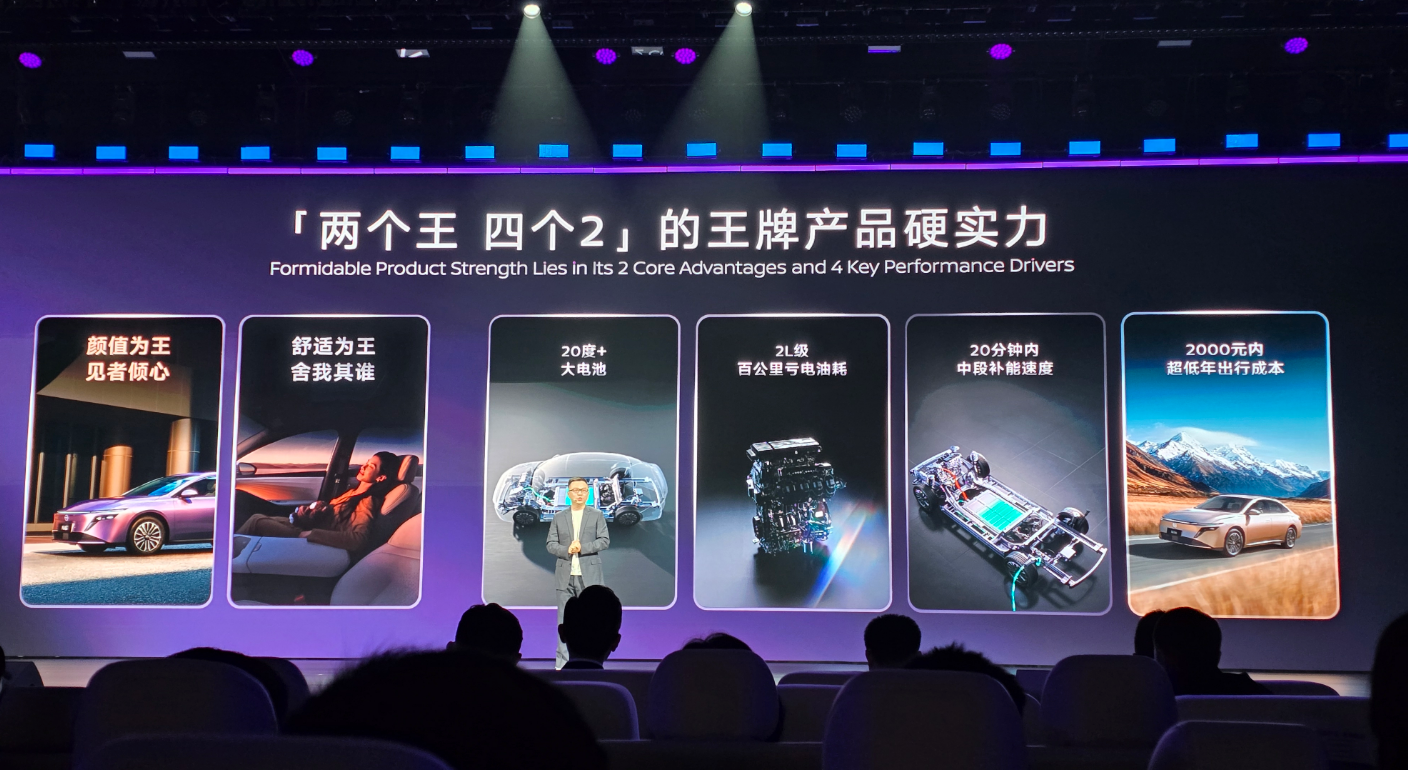
Beyond the large sofas, standout features such as aesthetics, a battery exceeding 20 kWh, 2 L/100 km energy consumption, 180 km pure electric range, and AI Yunqing Hybrid also form the core selling points of the Dongfeng Nissan N6.
Previously, within 18 days of its launch, the Dongfeng Nissan N7 secured over 10,000 fixed orders, becoming the fastest joint venture brand pure electric model to achieve this, making it possible for joint venture brands to enter the new energy market. However, recent sales of N7 have shown a declining trend.
Can N6, dubbed the “Plug-in Hybrid N7,” maintain the high starting point of N7 and solidify its position alongside N7?
A Plug-in Hybrid Sedan that’s Neither “Oily” nor Ostentatious
From the information revealed at the launch, Dongfeng Nissan understands the impact of aesthetics on a plug-in hybrid sedan. The N6 continues the design and spatial concepts of N7, exuding an overall fashionable, friendly, and female-friendly aura. Its body dimensions are 4,831 × 1,885 × 1,494 mm with a wheelbase of 2,815 mm, offering generous space both at the front and rear.In terms of design, the new N6 car continues the minimalist style of the N7. The front features a split headlight group, with an upper through-type LED light strip design. With a body width-to-height ratio of 1.26, the front proportions are more relaxed, giving the car a lower and more powerful stance. At the rear, the through-type taillight of the N6 occupies 90% of the tailgate, enhancing visual width and adding a more three-dimensional and sporty atmosphere. The N6 has a drag coefficient of 0.248, which is comparatively well controlled among family sedans.
The official offers six exterior colors: Flowing Silver, Obsidian Black, Pearl White, Rock Gray, Sunshine Gold, and Hyacinth Purple. The interior comes in two options: Beige and Black.
At yesterday’s launch, Wang Qian, General Manager of Dongfeng Nissan Automobile Sales Co., Ltd. New Energy Brand, shared the user profile of N6 pre-orders:
- Female clients accounted for 35% of the Dongfeng Nissan N6 pre-orders, mostly young families aged 25-35;
- 60% of customers chose the Dongfeng Nissan N6 for its appearance;
- Sunshine Gold comprised 30% of pre-sale orders, and 64% of those selecting Hyacinth Purple were female users.
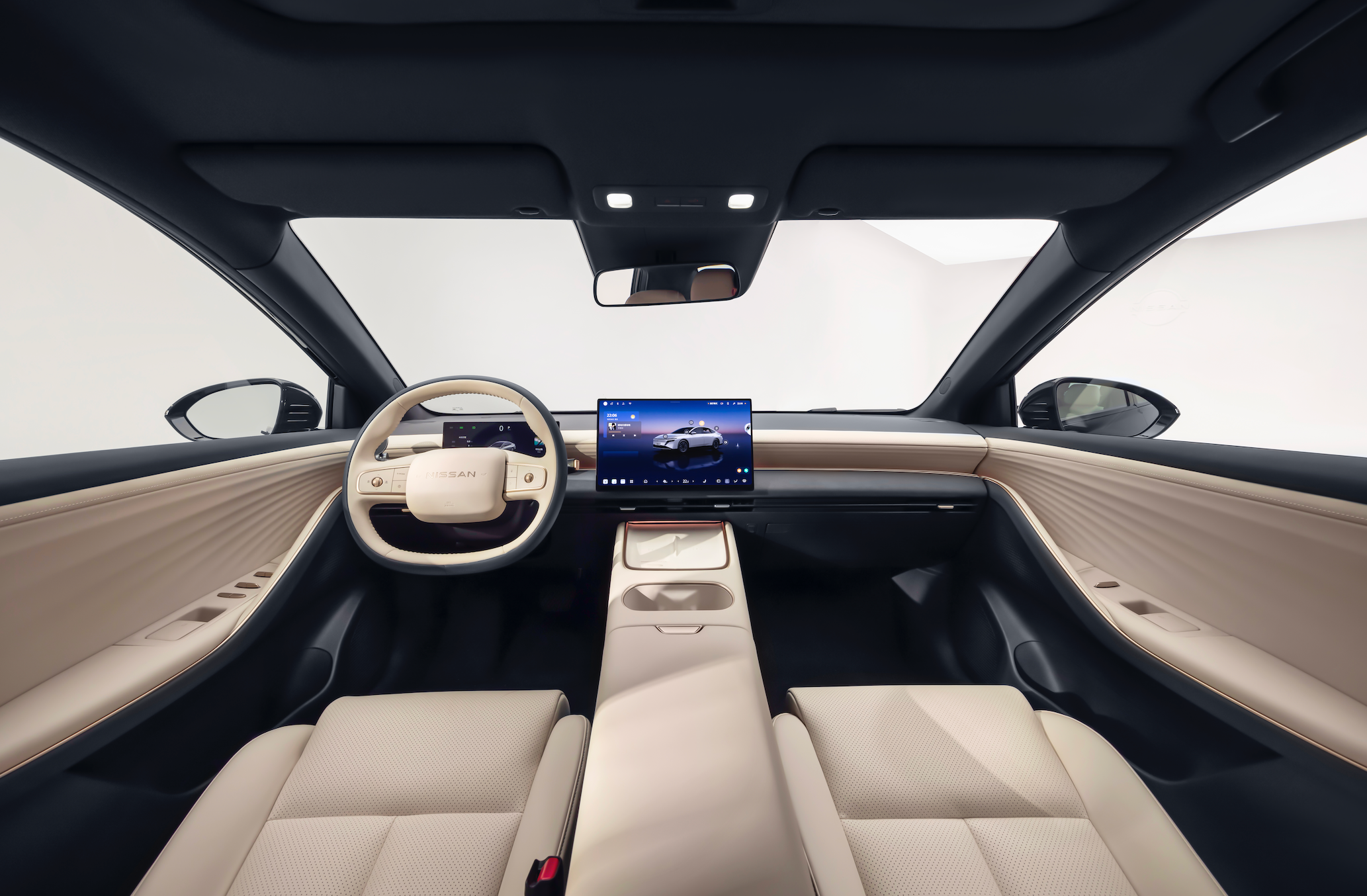 The main highlight of the interior remains the “large sofa,” with the front row featuring the N7’s AI Zero-Pressure Cloud Carpet Seats, embedded with an “adaptive posture” AI algorithm to automatically adjust the support angle based on the user’s posture and sitting position. Coupled with hardware that supports OTA upgrades, the seats become increasingly tailored to user needs over time. The rear is equipped with a newly developed zero-pressure cloud carpet large sofa, which is densely filled, and the seat cushion has been extended. From actual experience, the N6 seats balance support and relaxation, aiming to meet comfort needs for long-distance rides.
 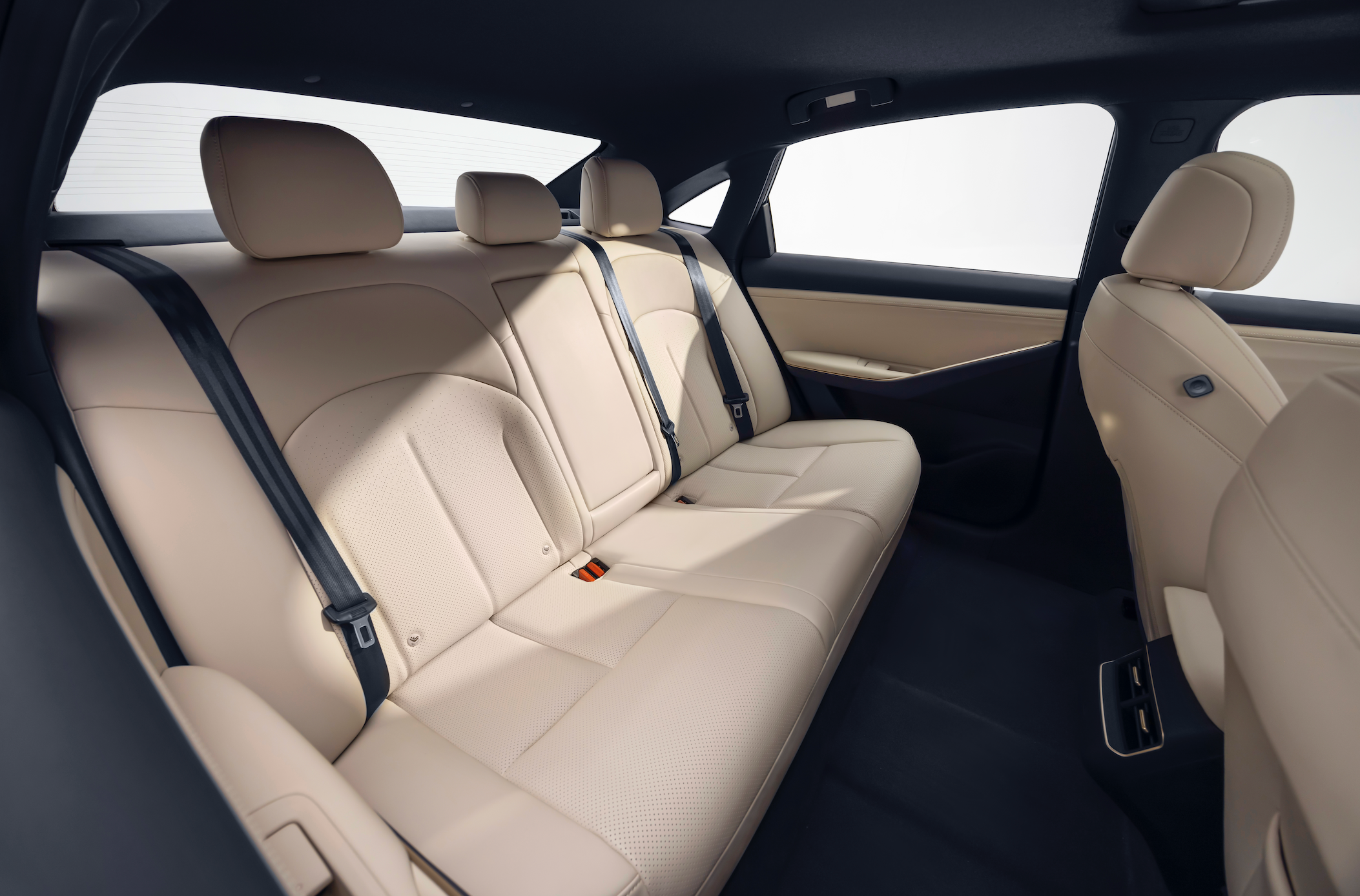 With two consecutive products focusing on “large sofas,” Dongfeng Nissan’s brand image becomes increasingly linked to seat comfort. During the launch, Wang Qian invited competitor brands imitating the “AI Zero-Pressure Cloud Carpet Seat” by saying, “Welcome to join, let’s take comfort to the extreme together.”
“Annual Car Use Cost of Two Thousand Yuan”
The N6 is the first Dongfeng Nissan model equipped with the AI Cloud Drive Hybrid System. The whole system comprises a 1.5 L engine dedicated to plug-in hybrids, an efficient generator, and a 21.1 kWh large battery, offering a pure electric range of 180 km, supporting fast charging with a 30%-80% charge time of 17 minutes.
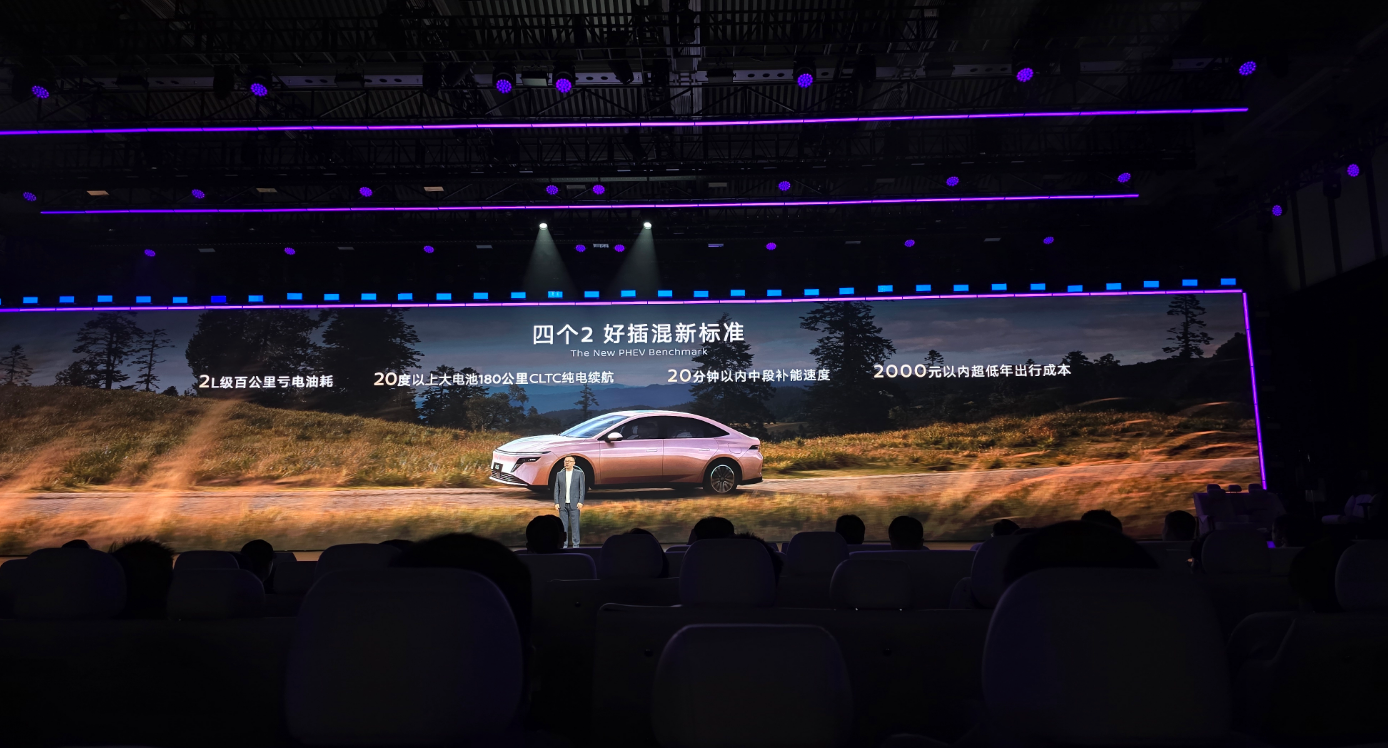
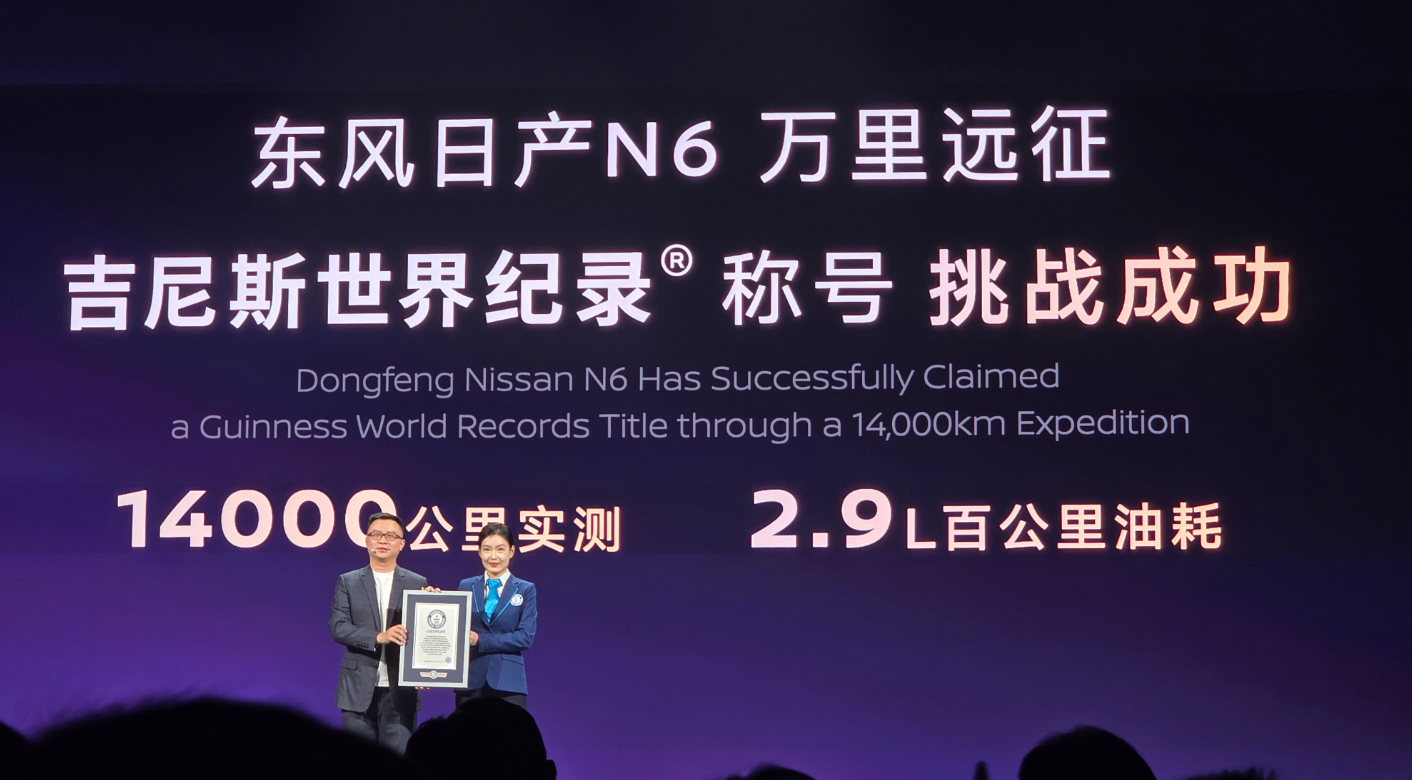
In a low battery state, the N6’s CLTC fuel consumption per 100 km is 2.79L. According to the official calculations, the annual commuting cost can be controlled within 2,000 yuan. The system can also intelligently adjust power output based on different terrains, temperatures, and altitudes, enhancing power in high altitudes and operational capability in extremely cold regions.At the launch event, an official adjudicator from Guinness World Records announced that the Dongfeng Nissan N6 completed a 14,000 km journey across 30 provinces in 28 days, achieving a record fuel consumption of 2.9 L/100 km, successfully setting a new Guinness World Record.
To prevent the issue of power interruption in hybrid vehicles when the battery is low, the N6 incorporates “Anti-Stall Intelligent Control Technology,” which includes three control mechanisms to ensure stable system output. This system has passed the China Automotive Technology Research Center’s anti-stall challenge for plug-in hybrids.
As for the battery, the N6 uses the self-developed Nissan Yun Shield Battery, featuring a six-layer safety structure and a vehicle-cloud collaborative monitoring system for 24/7 monitoring and alerts. The battery has passed 600,000 km durability vibration and multiple nail penetration tests.
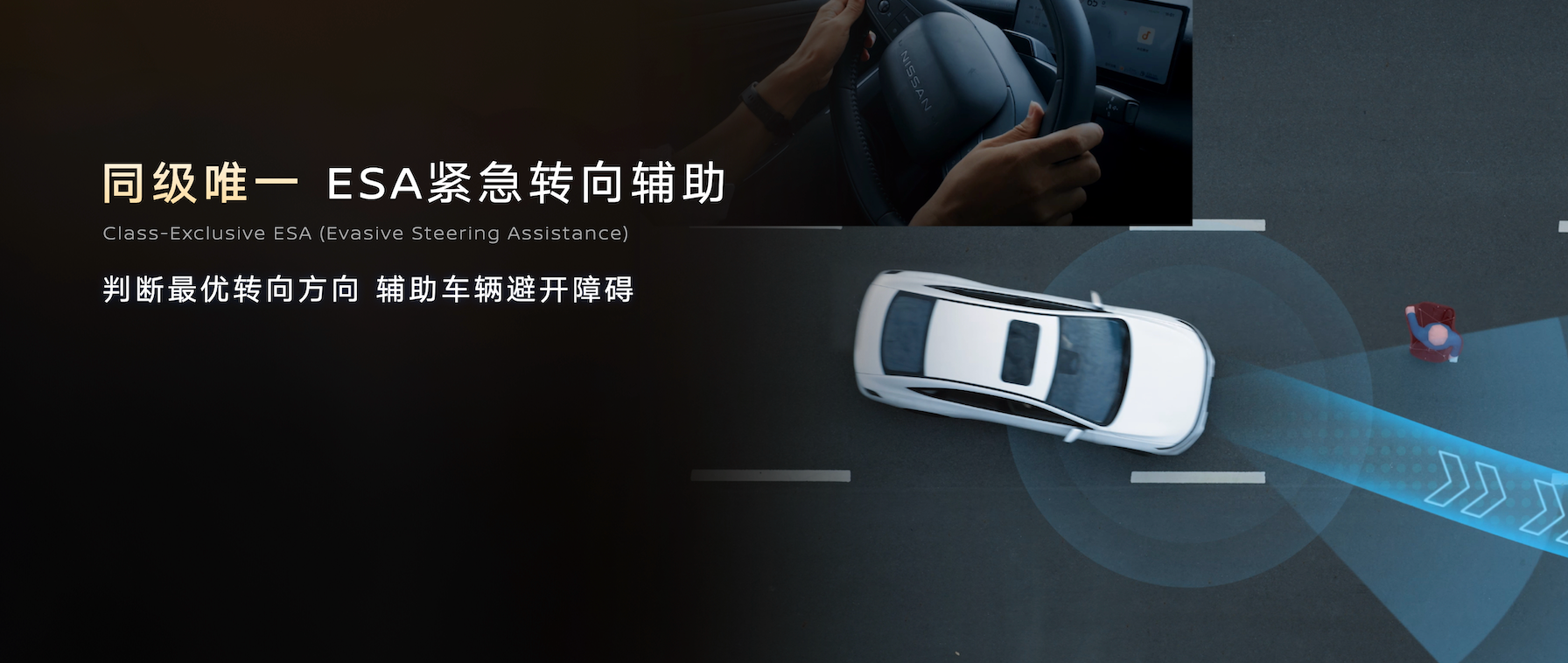
In terms of safety structure, the N6 employs a five-horizontal and ten-vertical cage-type body structure, with an A-frame high-strength steel frame at the rear, achieving a body rigidity of 35,738 N·m/deg. Active safety includes 16 standard features such as AEB (Automatic Emergency Braking) and FCW (Forward Collision Warning), and also ESA (Emergency Steering Assist), which is a rare configuration in its class.
Building an “Intelligent Home”
The N6 is Dongfeng Nissan’s first model equipped with the “Qualcomm 8775 x Momenta Cabin-Driving Fusion Solution,” featured in the 180 Max+ and 170 Max+ flagship versions. With this new central supercomputing SOA architecture, the vehicle’s intelligent capabilities have significantly improved compared to the past.
In terms of hardware, the 180 Max+ and 170 Max+ flagship versions of the N6 are equipped with the Qualcomm Snapdragon 8775 chip and a 15.6-inch 2.5K central console screen, with AI computing power of 72 TOPs. This architecture increases the FOTA upgrade speed by 35%, achieving a closer synergy between cabin and driving functions. Other versions feature the 8155 vehicle-mounted chip and a 14.6-inch 2.5K central console screen.
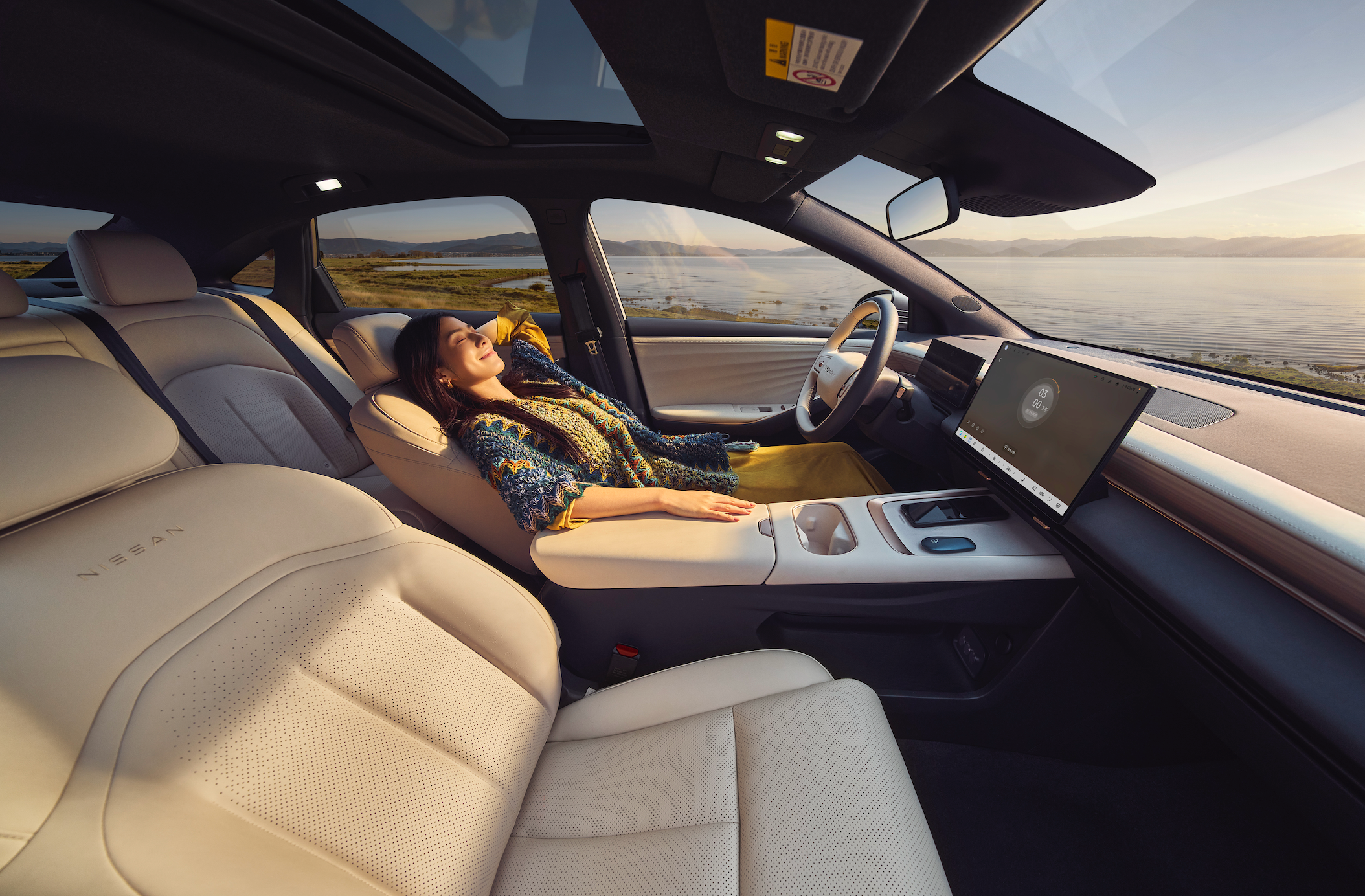
The N6 comes equipped with the same Nissan OS vehicle system as the N7, supporting 3D desktop, customizable shortcuts, and the voice assistant “Xiao Ni.” This system supports fuzzy semantic recognition, and dialect switching, and includes an active recommendation feature, having completed 3 major version upgrades with over 700 functional optimizations since its launch earlier this year.The 180 Max+ and 170 Max+ flagship versions of the N6 feature a segment-specific end-to-end combination driving assistance system, co-developed with Momenta. This system encompasses features such as highway NOA, city memory navigation assistance, and automatic parking, covering primary daily driving scenarios.
From a product positioning perspective, the N6 is a plug-in hybrid sedan focused on comfort and economic efficiency, with further enhancements in space, seating, range replenishment, and driving stability.
In a fiercely competitive new energy market with increasingly clear user perceptions, the N6 continues the product philosophy of the N7 through its plug-in hybrid form and attempts to address N7’s shortcomings in energy replenishment anxiety and travel range. Whether this vehicle can sustain the market momentum of the N7 and further solidify DF Nissan’s presence in the joint venture new energy market will depend on long-term user feedback post-delivery.
This article is a translation by AI of a Chinese report from 42HOW. If you have any questions about it, please email bd@42how.com.