From the recent discussion with friends, it is possible that 2022 will be a very important time point for the development of power batteries in the automobile industry: it marks the largescale replacement of lead-acid batteries with 12V lithium batteries.
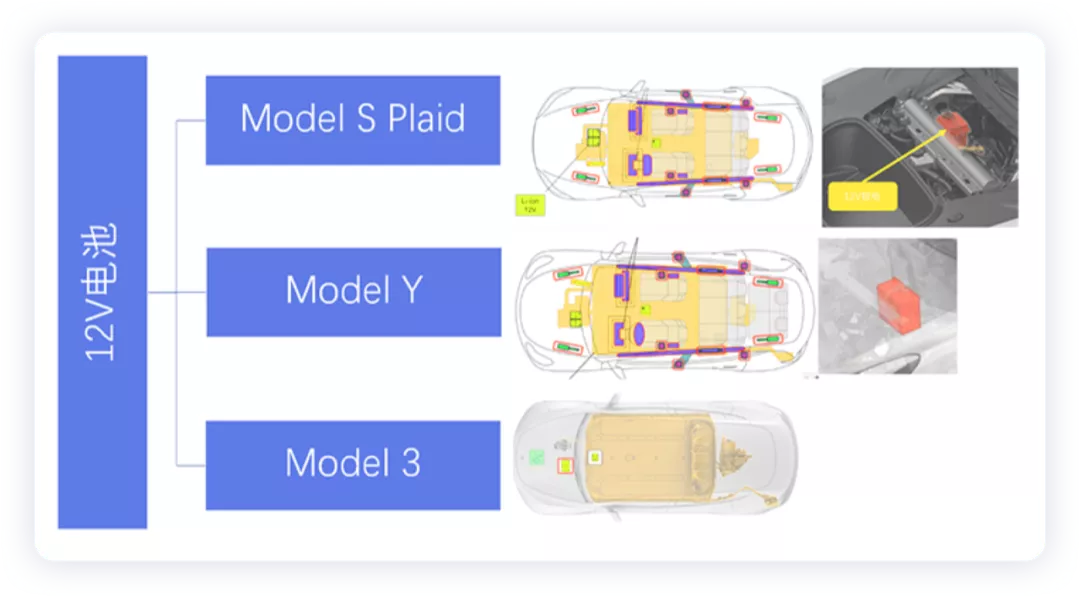
As Tesla has successfully demonstrated the feasibility of small scale replacement in Model S Plaid, the company has gradually begun preparing for largescale replacement in Model 3 and Model Y. In fact, this is also driving the replacement pace of luxury cars like BMW, Daimler, Porsche, and Audi.
This means that the exclusive use of lead-acid batteries in this field may gradually be broken in the next few years.
Tesla is Importing 12V Lithium Batteries on a Largescale
Overall, Tesla is seriously considering replacing all lead-acid batteries.
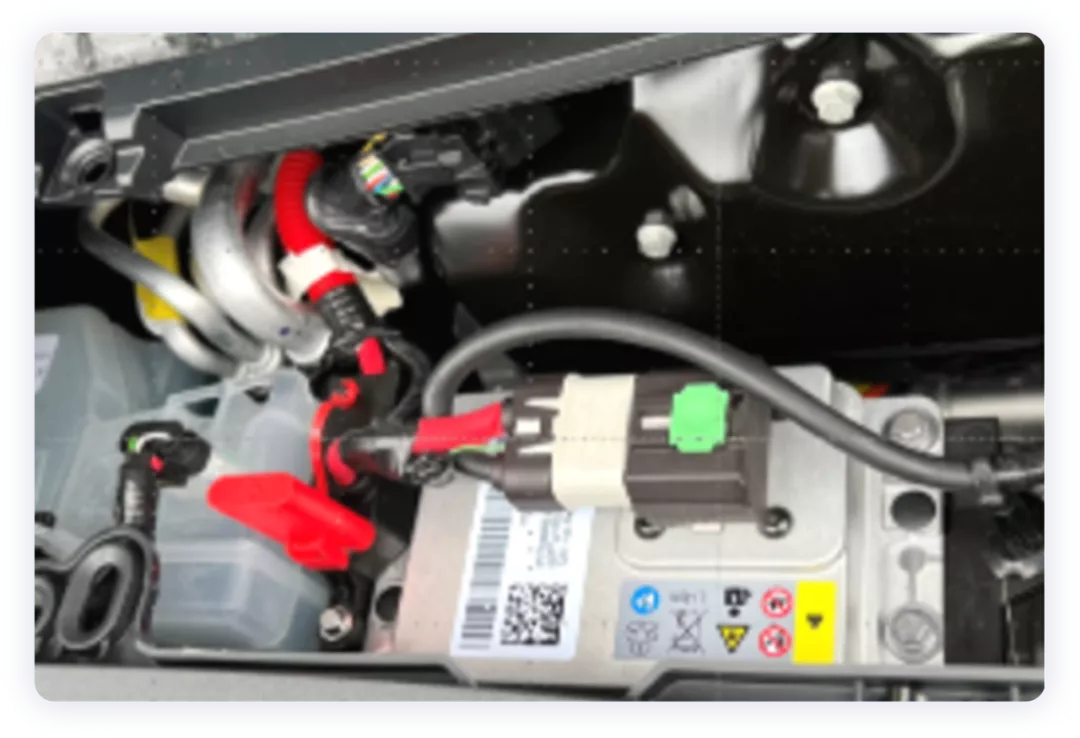
The previous generations of Model S/Model X and Model 3 and Model Y used 12V&33Ah lead-acid AGM batteries (weighing 12 kg), which were only first attempted in Model S Plaid. Once successful car testing and supplier approval have been completed, the entire replacement process will be very rapid. As shown in Figure 1 below, the process of gradual replacement has already begun in the American-made Model Y.
From the product roadmap, this replacement is a systemic one. After experimenting with one vehicle, it will switch to all platforms in unison.
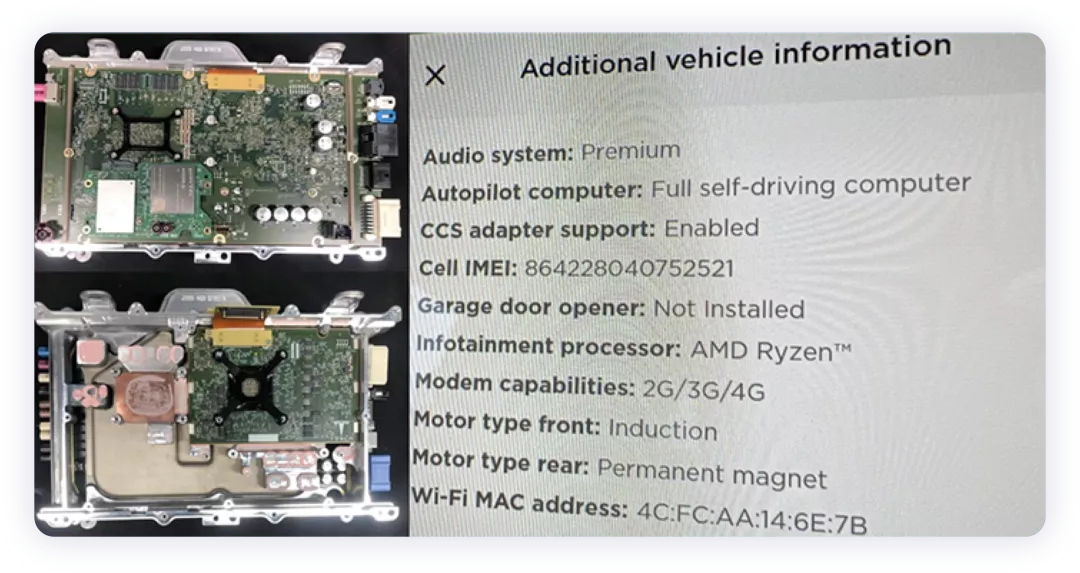
On a side note, it appears that Tesla intends to fully promote the third generation entertainment control system, which is to largely and extensively promote AMD Ryzen chips.
In Tesla’s view, the main differences between 12V lithium and lead-acid batteries in terms of product benefits are:
● Lifespan:
Lead-acid batteries have a lifespan of about 2-4 years, while this 12V lithium battery may be considered along with the lifetime of the entire vehicle (about 10 years).
● Weight:
In terms of weight, it has been reduced from 12 kg to 1.8 kg.
● Volume and Capacity:In general, the new 12V lithium-ion battery is smaller, with only 99 Wh of energy, a voltage of 14.8V, and a capacity of 6.9 Ah (including four NMC 3.7V cells in a square shell), and includes BMS and an external LIN bus connection.
In this sense, this exemplary move will accelerate the entire industry’s 12V lithium-ion electrification, covering traditional fuel vehicles, 48V/HEV, and pure electric vehicles.
In my opinion, the core issue is that the lifespan of this design is estimated to be 8-10 years. The biggest concern is that it will break the aftermarket product framework of 12V batteries. Consumers may benefit, but the overall aftermarket market structure will be disrupted.
Therefore, I understand that traditional car manufacturers could have done this before. A123 had already provided products to Daimler in 2012, but the strong influence of the aftermarket and dealer system prevented it.
In the field of conventional vehicles, BMW, Audi, and Mercedes-Benz were the first luxury automakers to implement this technology. The primary models include BMW M3/M4, Mercedes-Benz AMG, GLC, S-Class, SLS AMG Coupe, SLS S63 AMG, S65 AMG Coupe, Porsche, and sports cars that can be equipped with this technology. In the future, BMW will bring LG Chem into its supply chain, mainly to replace lead-acid batteries.
I estimate that in this regard, whether it is a ternary or iron lithium route, the key to success is to design low-cost battery cells focusing on standardization.
Situation in China
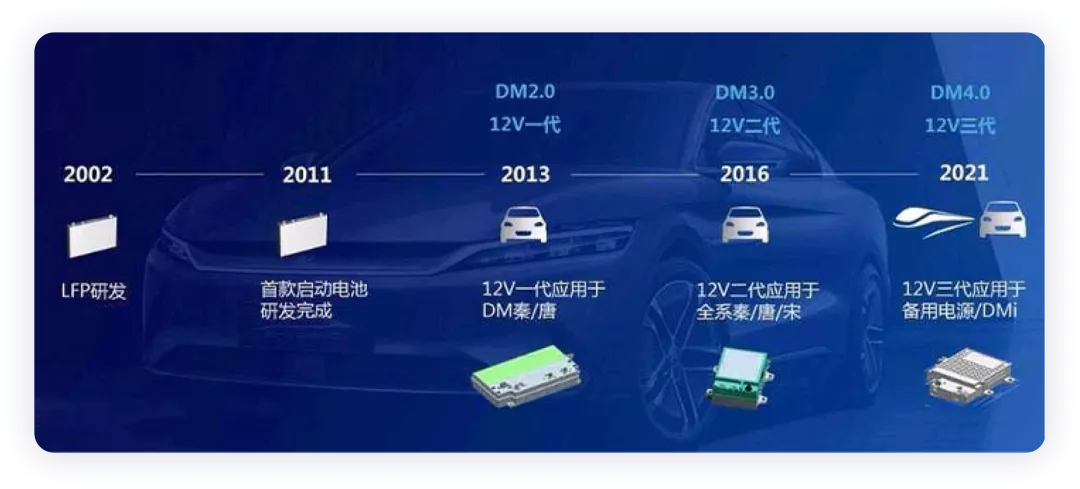
Interestingly, BYD is promoting the “lithium replacement of lead-acid” plan on its DM-i hybrid full range of models, as shown below:
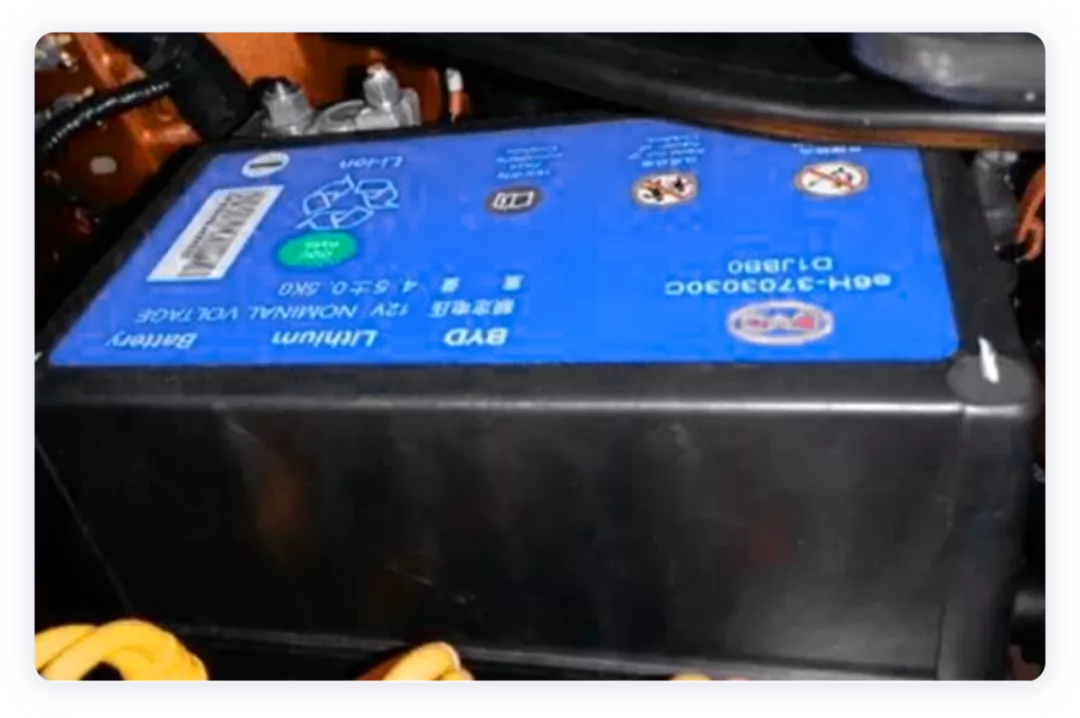
My understanding is that it was used on the first generation of Qin with not-so-good results, but has been improved over the years. The third generation in 2021 is essentially the same as the original path.
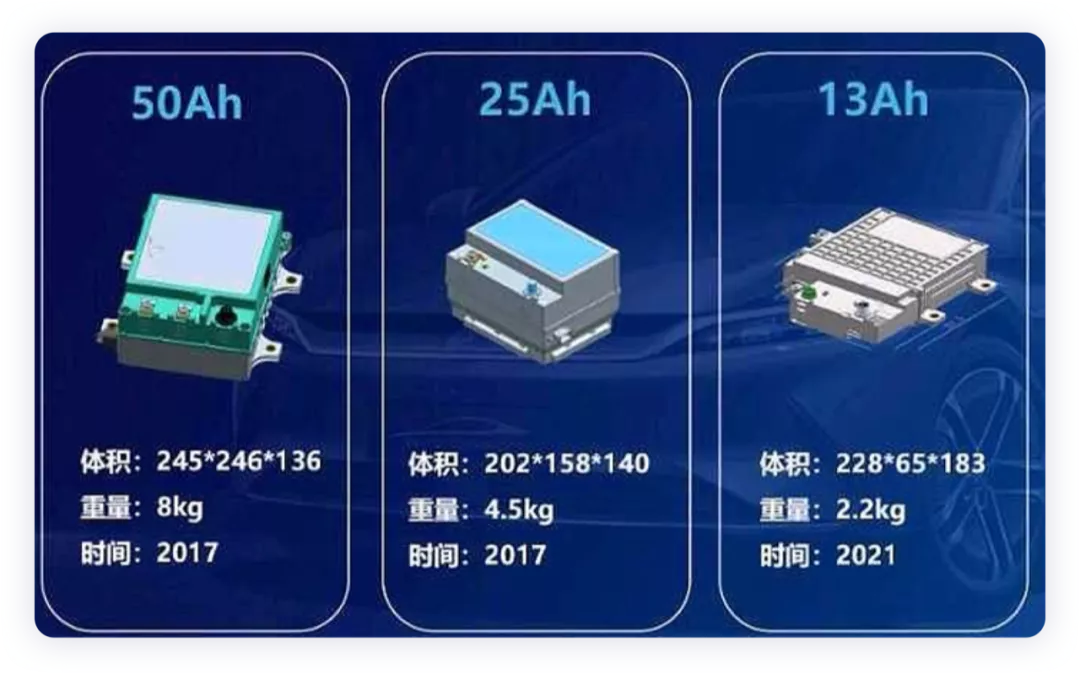
 From a technical specification perspective: The 13Ah battery gradually reduces in capacity compared to the previous version, especially in terms of weight, which is now similar to Tesla’s design (2.2kg compared to 1.8kg), although the total capacity of the battery is much larger than the 6.9Ah version, this weight is basically eaten up by the pack, with little difference between larger or smaller sizes.
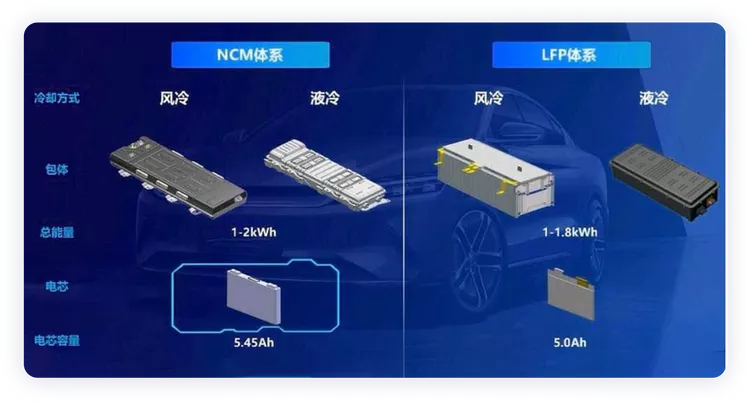
The following figure shows the technical route of BYD’s 48V battery, which is mainly divided into ternary and LFP routes. The latter’s soft-pack design is estimated to have a relatively high cost in the short term.
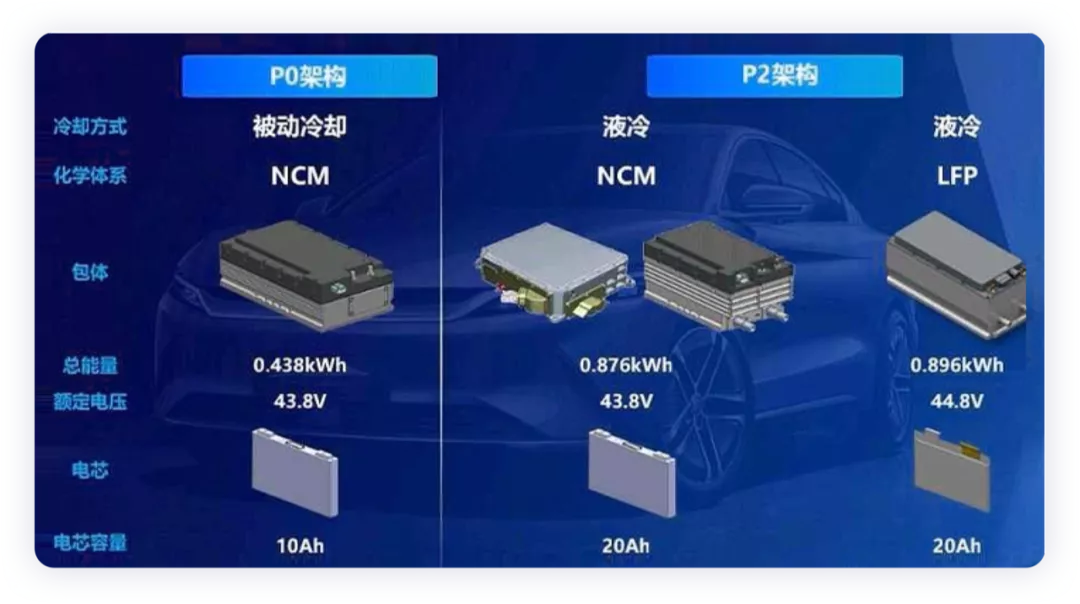
Below are two different HEV routes, with the latter route having more downward price space.
Conclusion: From a broader perspective, lead-acid batteries are currently facing a lot of pressure in all aspects. The main factor limiting the replacement speed is the price of lithium carbonate, which is currently the biggest shortcoming in terms of supply in China.
This article is a translation by ChatGPT of a Chinese report from 42HOW. If you have any questions about it, please email bd@42how.com.