In the first list of Android Automotive OS adopters, besides Volvo, General Motors, Ford, Chrysler + PSA, it was surprising to see Nissan Renault taking the initiative to import AAOS since 2018. However, after understanding Nissan Connect and Renault Connect, it is evident that the standardization by Google is needed to improve Nissan Renault Mitsubishi’s in-car software technology.
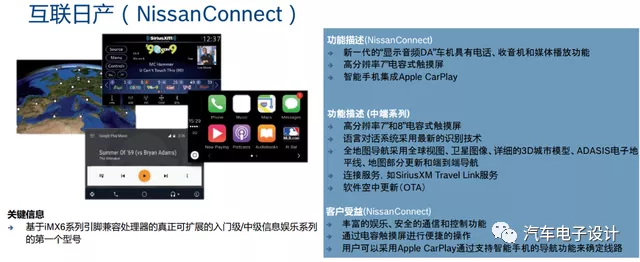
Nissan’s In-Car System Iteration
Nissan Connect is a product supported by Bosch that provides various touchscreens, including navigation, WiFi, and Over-The-Air upgrades.
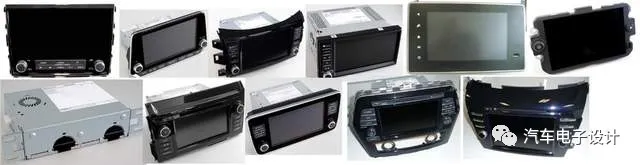
Nissan’s in-car system offers multiple configurations, and Japanese designers have come up with seven distinct designs for the central control screen to match the differentiation of vehicle models.
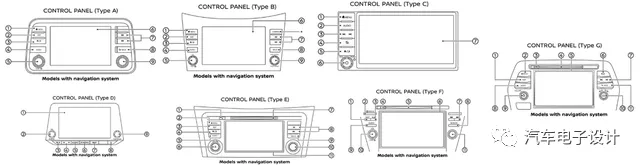
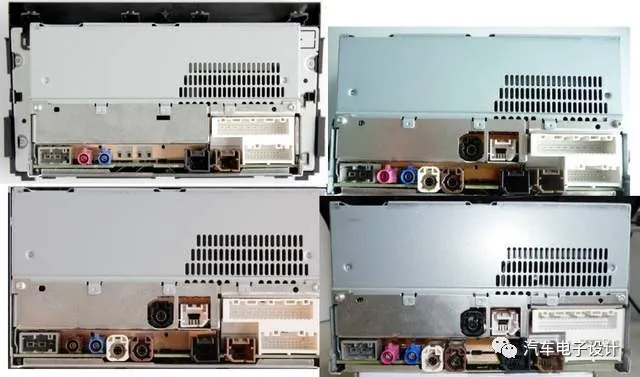
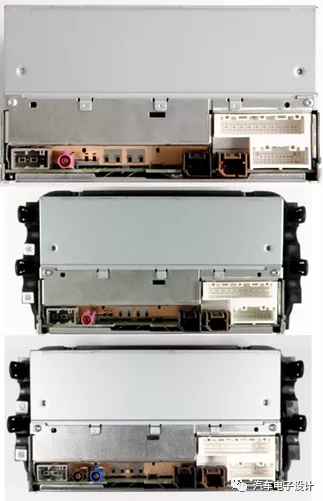
This approach resulted in several differences, as shown by the various combinations of in-car systems and screens. The engineers responsible for the system design had to deal with numerous Part Numbers to differentiate the in-car systems that included or excluded navigation. In Figure 4, several photos of components certified by Bosch suppliers are displayed, showing that the mainframe is relatively similar, but strange screens and buttons, or in-car and central console decorations, limit the platform’s standardization to the hardware electronics layer.
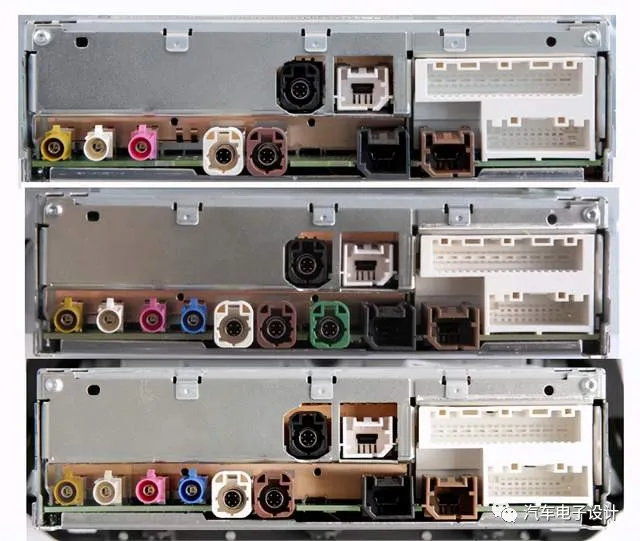
 The basic electrical connections in the automotive industry have three different types due to whether the configuration includes navigation and functionality. In the thick main unit, there are also versions with and without a heat dissipation outlet. When paired with the screen above, it is really chaotic for me to look up these components. With this kind of management, where is the overall synergy between Nissan and Renault, and between Nissan’s various models?
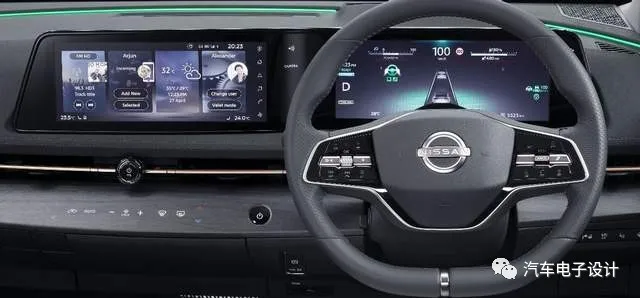
Regarding the Ariya EV’s car system, Nissan’s first platform-based EV, it looks like a normal modern vehicle, as shown below. Most importantly, Nissan started to separate the main unit and screen of the central console, which looks like a normal design. Is Nissan’s use of the new OS for this screen a good performance? We won’t know until the car is released. I will spend the weekend comparing this system, especially the differences between the new OS and the existing Android-based on-board systems.
Note: The release of the Ariya has been postponed due to a chip shortage, which is very interesting to explore its causes.
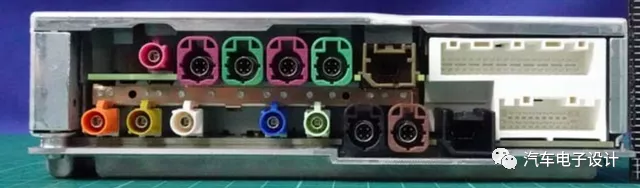
From the interface layout, some minor revisions have been made to the A IVI Scope2 and 3, but the overall design still follows the previous layout, making it quite possible to achieve platformization.
 Summary: In my opinion, it is precisely because the experience of these high-volume in-vehicle infotainment systems was relatively mediocre that they quickly transitioned to Google’s ecosystem. Therefore, in the long run, it depends on the abilities and size of the automakers themselves, as iterating software and operating systems in the cabin (whether it’s modified on Android or AGL) at the lower levels cannot fundamentally solve the problem of long-term competitiveness. Of course, China cannot be left behind now, and ultimately Chinese automakers and the smartphone industry will also coordinate to develop a systemic and similar OS that can be shared between smartphones and in-vehicle systems. Is this HarmonyOS?
This article is a translation by ChatGPT of a Chinese report from 42HOW. If you have any questions about it, please email bd@42how.com.