Since the launch of the LI ONE on January 3, 2019 at the Water Cube, LI has seemed to disappear from the limelight. Its ranking on our weekly index has dropped from middle to lower levels. Being low-key may not be a good thing for a new automaker. Finally, on April 2, LI held a media communication meeting in Beijing. At the meeting, Zhao Gang, the Vice President of LI, disclosed some of the company’s future plans.
New exterior design and vehicle positioning for volume
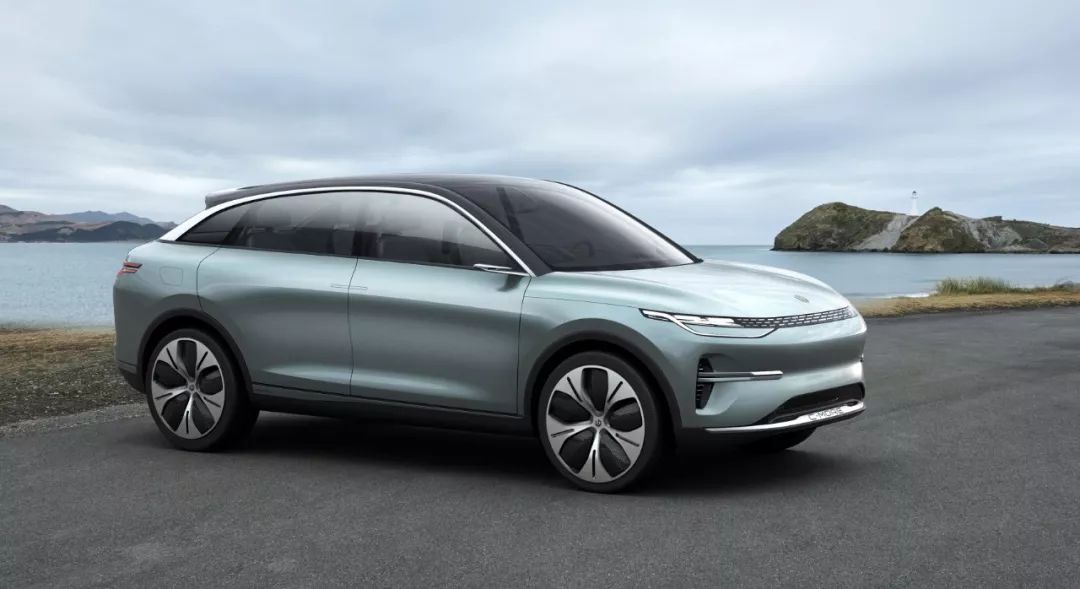
The biggest highlight of this communication meeting was LI’s second major work – the C-more, which is planned to debut at the 2019 Shanghai Auto Show. Strictly speaking, the C-more should be the third vehicle model of LI because the company plans to launch an A00-level small car similar to the smart forfour from the T platform by the end of 2019, targeting the fourth to fifth-tier cities and travel markets. However, since C-more is the focus, let us take a closer look at this vehicle.
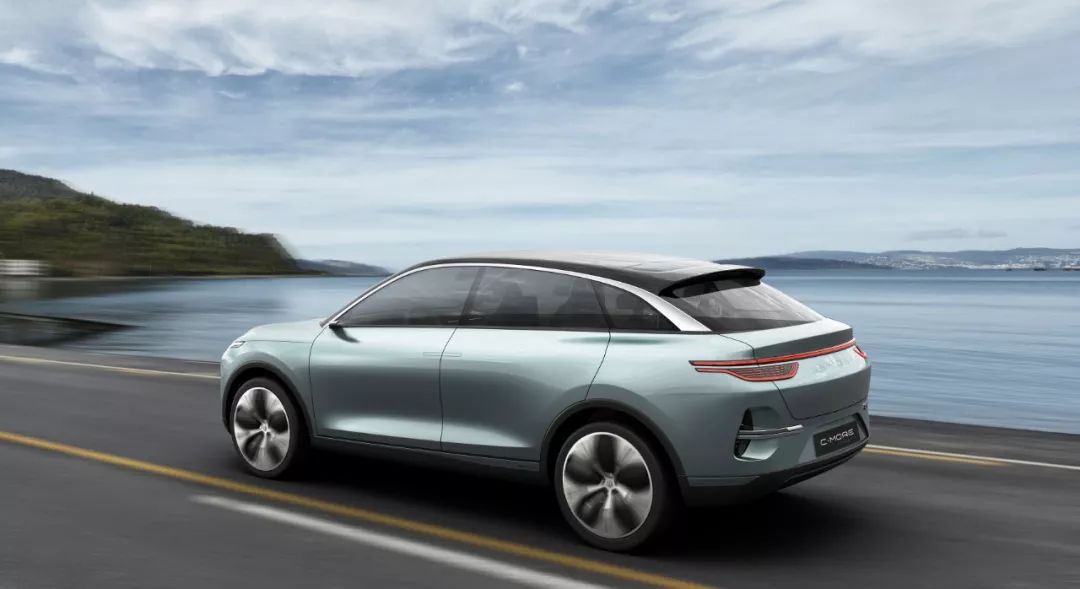
The vehicle positioning of the C-more is an “affordable intelligent crossover electric SUV”. At the communication meeting, LI revealed that the length of this vehicle will be around 4700mm and the wheelbase will be around 2900mm. This size is currently very popular among electric SUVs. With a compact body length and an exaggerated wheelbase, a larger battery can be accommodated while increasing the interior space.
As for the appearance, everyone can judge for themselves. Let me mention a few characteristics of LI’s design.
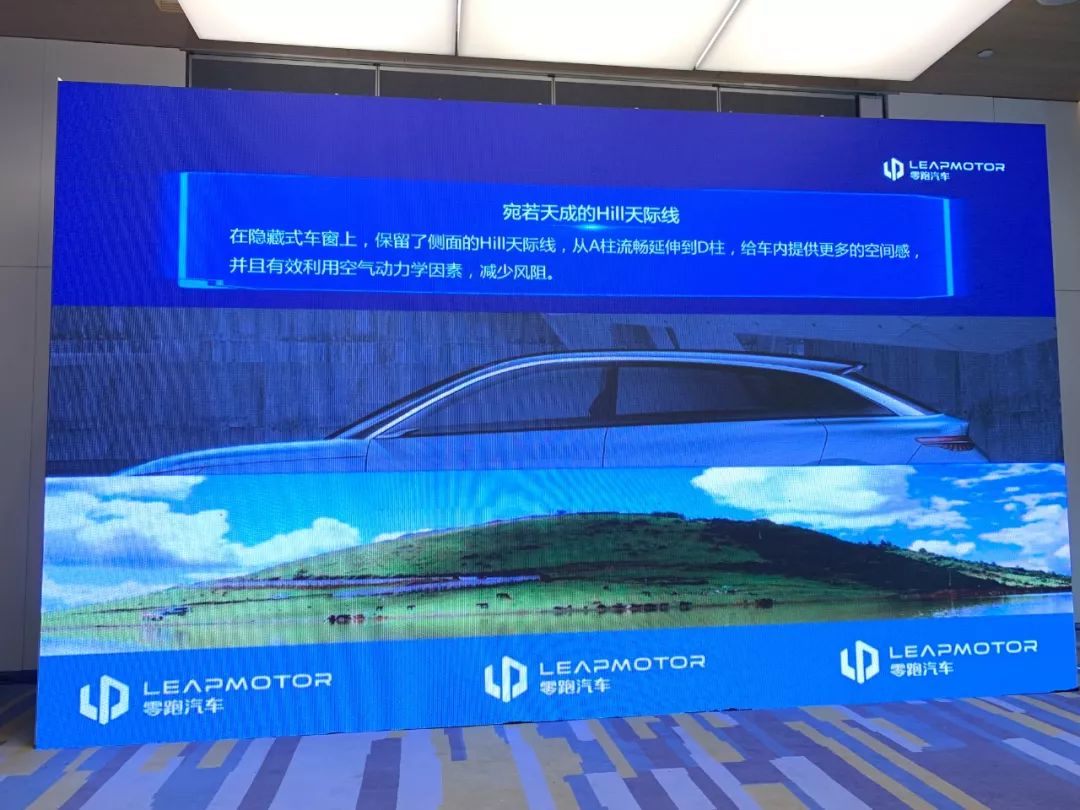
The most unique feature of the entire exterior design is the roofline, which flows smoothly from the A-pillar to the D-pillar. It is not a hatchback, nor is it a sedan, with some resemblance to the Techrules Ren, and the official name is “Hill Skyline.” It provides more interior space while reducing wind resistance.
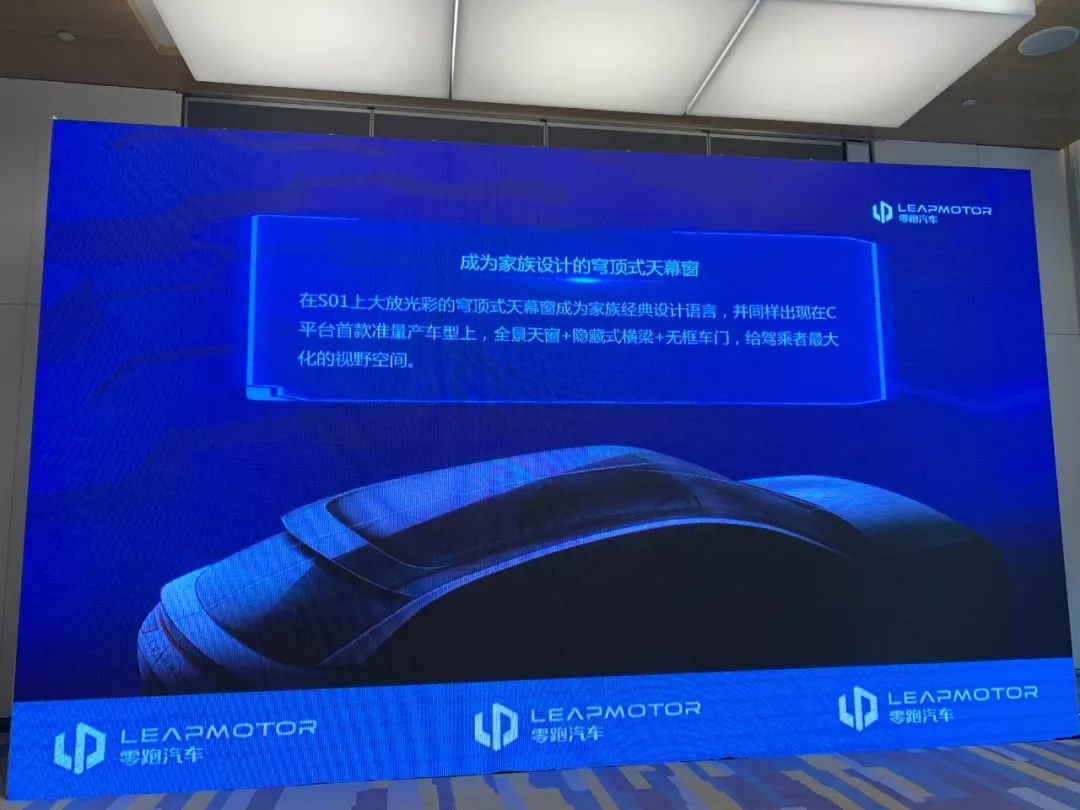
In addition, the entire roof continues the dome-style panoramic sunroof design from the S01. To put it another way, there is an oversized front windshield and a huge sunroof. In my experience, the sense of openness and transparency cannot be reversed once experienced. LI also claims that it can block 80% of the heat and almost 100% of the ultraviolet rays.
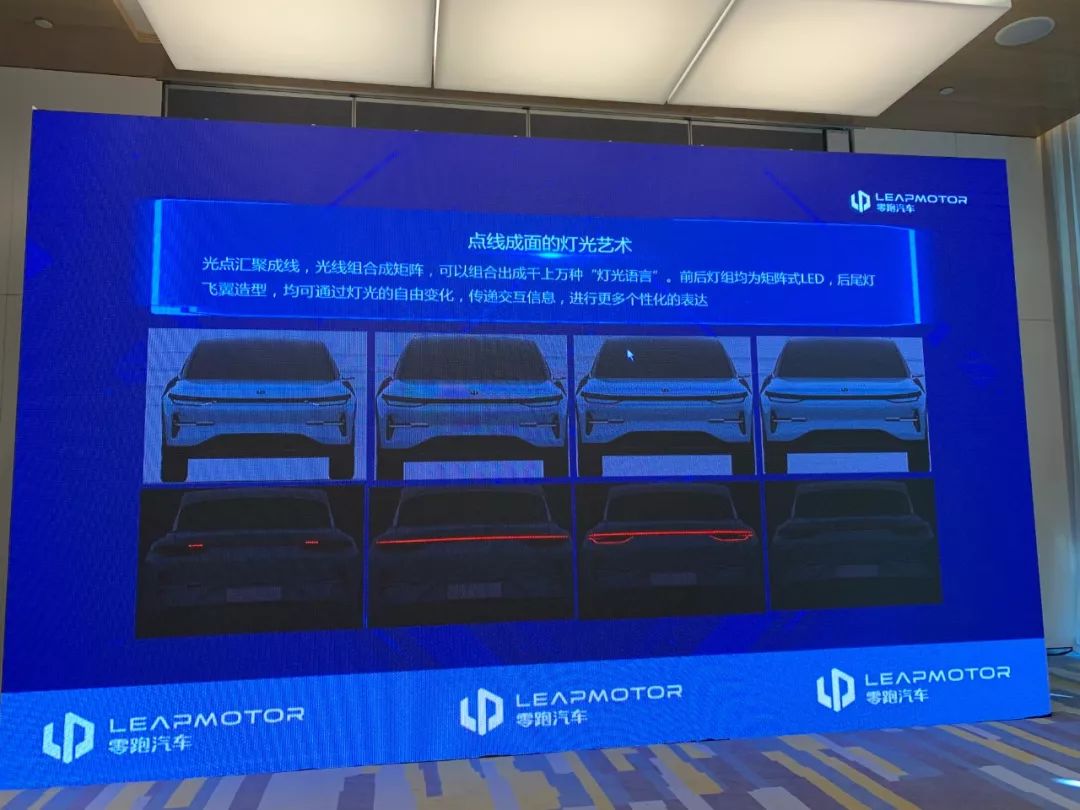
 Both front and rear lights adopt penetrating matrix LED headlights, and the dynamic effect seen from the animation diagram of the PPT is quite good, so I am very looking forward to the visual experience on the actual car.
Regarding the interior, because it is only in the concept state close to mass production, I will not interpret it too much here, but the following points will definitely be retained on the mass-produced car:
-
Simple interior design style
-
10-inch instrument screen + 15-inch center control screen + 8-inch head-up display
-
Panoramic skylight
-
Rear entertainment and interactive system
-
Combination of vein recognition unlocking and facial recognition startup
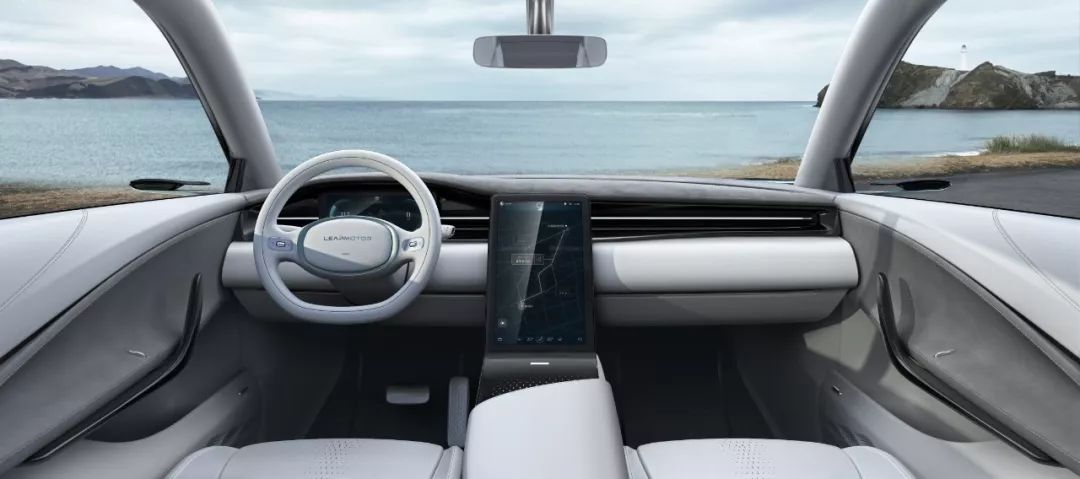
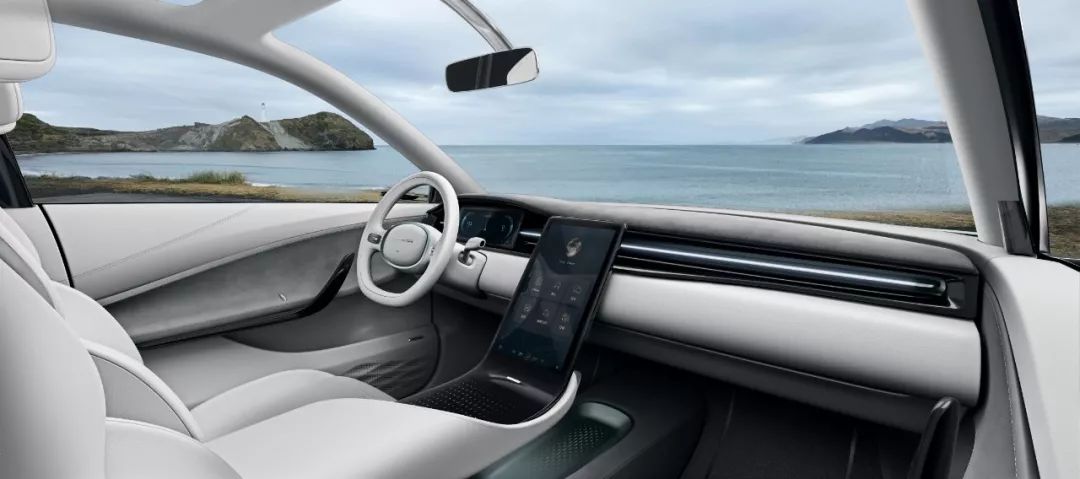
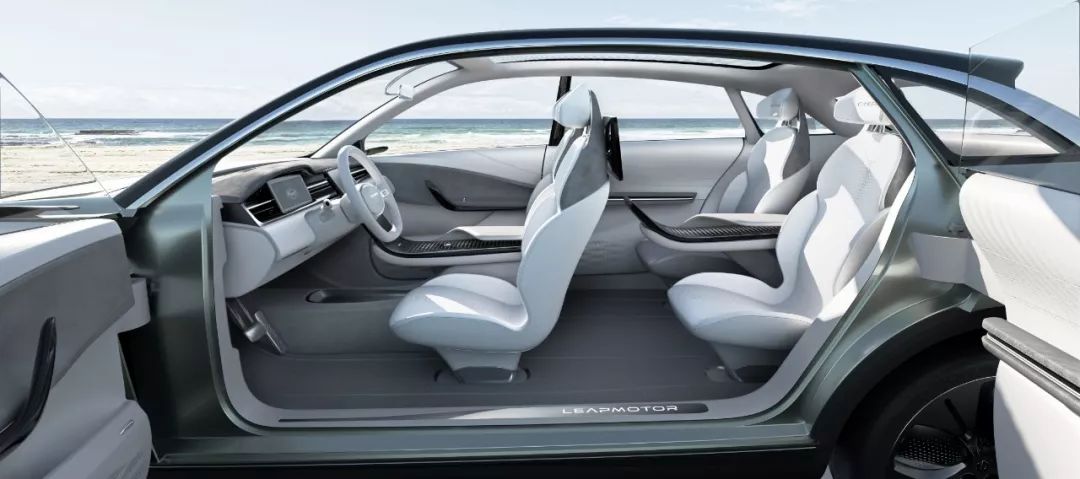
As for the experience of Zhao Gang, the Vice President of LI, C-more’s interior has a relatively large innovation, which will cut some designs required on fuel vehicles but unnecessary on electric vehicles.
Compared with the appearance of LI S01, C-more’s design is more acceptable, and the audience for C-more is much larger than that of LI S01. From these two perspectives, C-more is LI’s first car that wants to go into mass production.
Self-developed permanent magnet synchronous motor
It is not enough to rely solely on these fancy things to go into mass production, after all, practical three-electric technology is the foundation. The LI S01 has a self-developed 125 kW permanent magnet synchronous motor, and there is also a 160 kW/300 N·m permanent magnet synchronous motor planned to be launched in 2019 in LI’s plan, and it is clearly stated that it will be used on the C-More model.
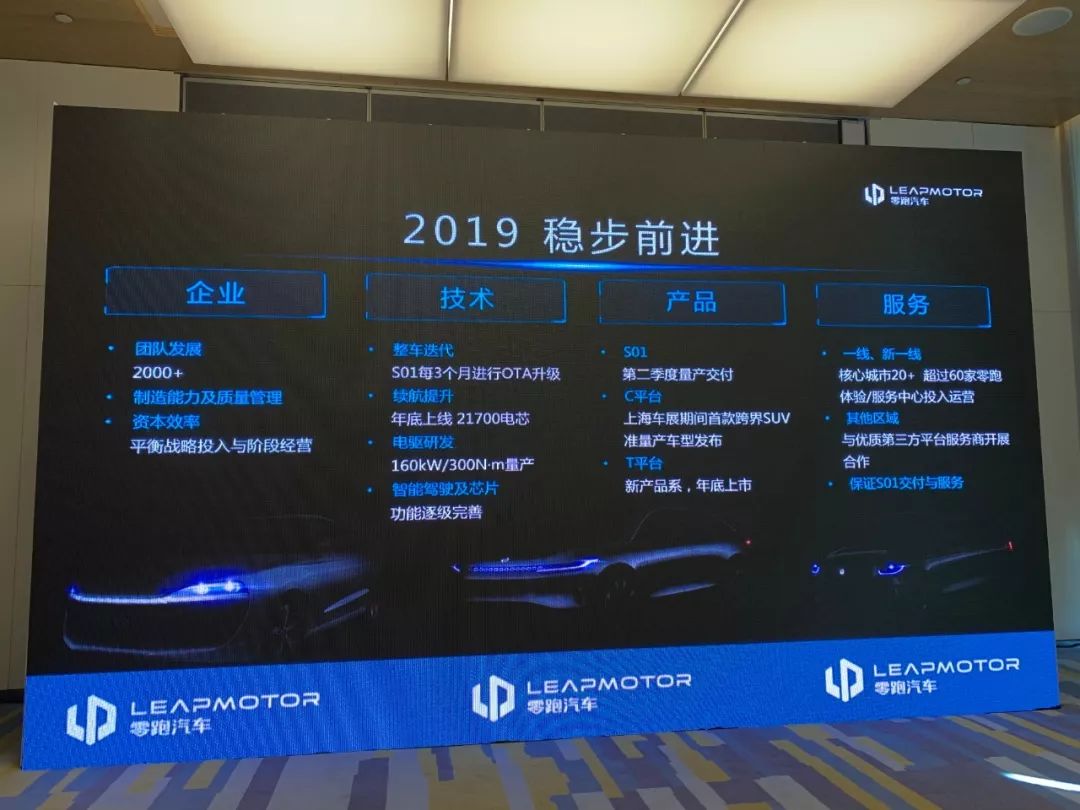 The parameters of this motor are very similar to the 160 kW motor that NIO rolled out last week. The official claim is that the C-more, which has dual front and rear motors, has a century sprint time of 5 seconds, which is the same as the ES6 standard edition and the rear-wheel drive Model Y.
Because there has not been much disclosure regarding the batteries, ZERO has only stated that the energy density will exceed 160 Wh/kg with a target of 180 Wh/kg, and the NEDC range will be no less than 500 km. This achievement was considered outstanding in 2019, but the C-more is only planning to launch at the end of 2020. Will this range still be competitive in 2021? In addition to range, what will the charging speed be? This is what I am looking forward to the most.
In addition to the three power systems, the biggest advantage of ZERO is the Leap Pilot intelligent driving system. With Dahua’s support, ZERO not only has the ability to develop assisted driving hardware, but also the ability to develop assisted driving software. This allows the C-more to be equipped with L3 level assisted driving capability at launch, and L4 hardware level. Later, L4 level autonomous driving can be achieved through OTA upgrades.
Although currently available vehicles on the market struggle to achieve L2 level, and L3 is even more of a legal and regulatory vacuum, more and more players entering the autonomous driving sector cannot be ignored, especially ZERO, who has the ability to develop their own assisted driving chip.
Currently, it is difficult to draw a conclusion about the competitiveness of the C-more. After all, there are still 2 years until 2021, and there are too many possibilities for the rapidly developing new energy vehicle industry during this time. It might be better to wait patiently and see some practical results first. What will happen to the S01 after subsidies are reduced?
Subsidy reductions and cost control are issues that every new energy vehicle manufacturer must face since the 2019 subsidy policy has been introduced. Even for ZERO and other new players that have not yet enjoyed the benefits of the subsidies, they must face the harsh reality. During this communication meeting, ZERO also provided its own price protection plan:
- Customers who make prepayments (down payments) before May 31, 2019 can enjoy the comprehensive subsidy policy before May 31, 2019 (Please note that ZERO has a nationwide uniform price);
- Customers who successfully made a reservation with a deposit of 699 RMB before January 3, 2019 and make prepayments before October 31, 2019 can enjoy the comprehensive subsidy policy before May 31, 2019.Note: Starting from June 1st 2019, the subsidy-adjusted price of the Leading Ideal S01 will be adjusted according to the 2019 subsidy policy.
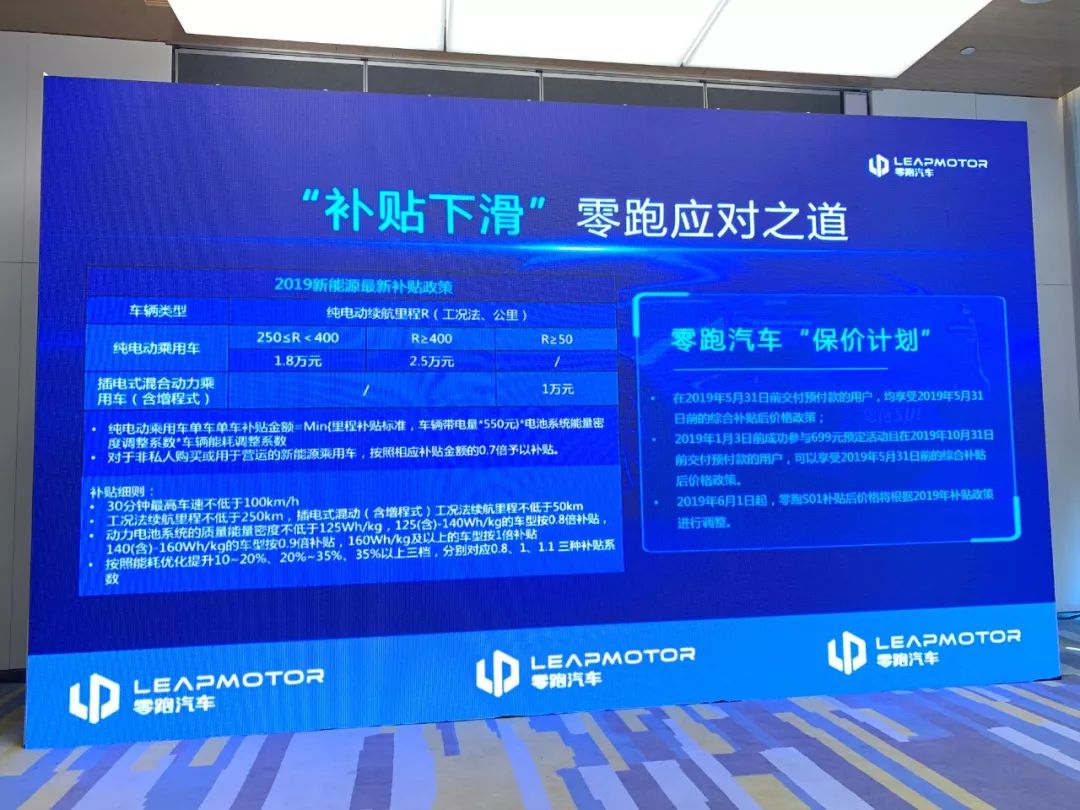
Leading Ideal is also clear that the S01 will not be a product to lose money and make noise. Although Leading Ideal does not expect the S01 to share the cost of research and development and factory construction, the S01 needs to support itself. This is sustainable for a brand. Burning money is not a solution to the problem.
Since the S01 has to support itself, the price increase after the subsidy withdrawal is inevitable, and there is no clear number yet. However, Leading Ideal stated that it will try to find a balance between self-sufficiency and an acceptable price range for users through cost control and optimization.
Note that cost control is not an empty word here. Leading Ideal has a considerable part of independent research and development in core technology. Compared with some new car brands that are entirely dependent on suppliers and have no bargaining space, Leading Ideal still has some advantages.
In addition to the S01, which faces the same problem, the C-more planned to be launched in 2020 will also face a completely subsidy-free market. How can the C-more become a cost-effective product that can support itself? Leading Ideal has little time left.
S01 ready for delivery
Leading Ideal aims to sell 10,000 S01s in 2019. As of the end of February 2019, Leading Ideal received 3,000 orders from different cities and industries. The users are mainly 18-30 years old, from first-tier to new first-tier cities.
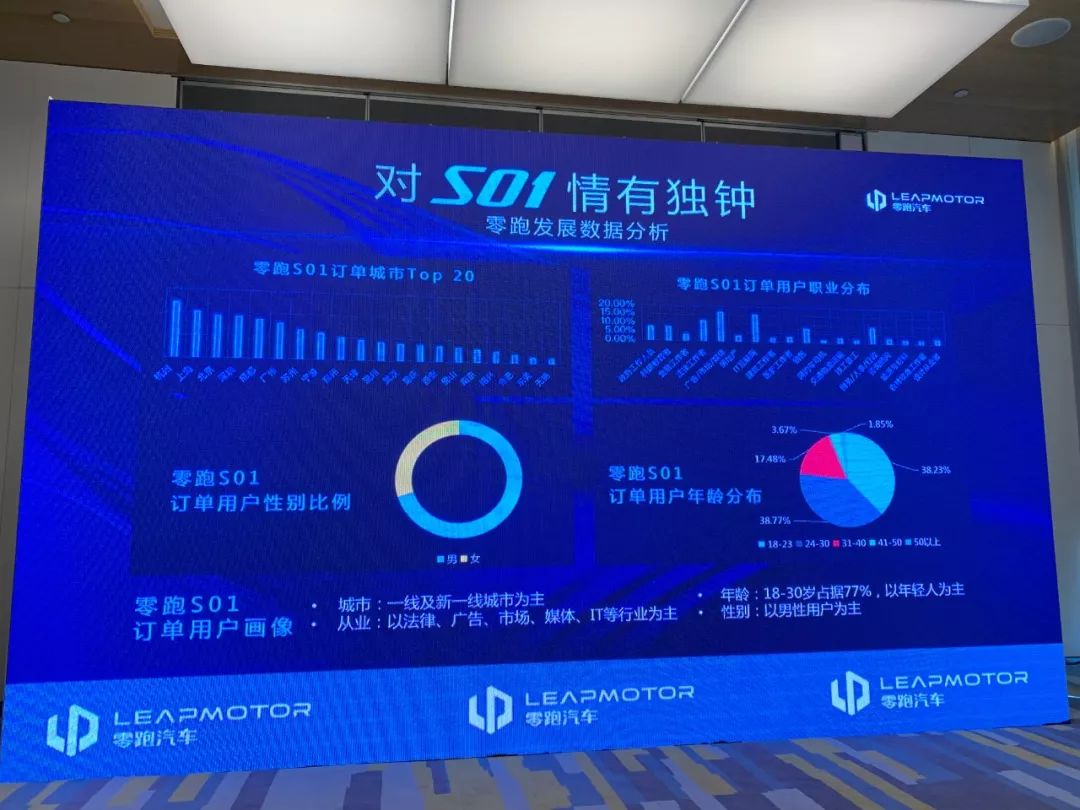
At the same time, the first batch of S01 deliveries will be made to 451 users who participated in the pre-sale in June 13, 2018, and 699 users who purchased the pre-order rights between August 29, 2018 and January 2, 2019.
In 2019, more than 60 Leading Ideal experience/service centers will be put into operation nationwide, covering more than 20 first-tier and new first-tier cities. In other cities, Leading Ideal will cooperate with high-quality new retail platforms. In late April 2019, Leading Ideal will gradually open the test drives in five core cities: Shanghai, Chengdu, Hangzhou, Beijing, and Guangzhou.# Can the sales of S01 in 2019 reach the expectations of LI? What role does LI play in the automotive industry in 2021? There are still many questions that need time to answer!

This article is a translation by ChatGPT of a Chinese report from 42HOW. If you have any questions about it, please email bd@42how.com.