


VOYAH Mengxiangjia Review: Can a Domestic Electric Luxury MPV Challenge the GL8 and Alphard?
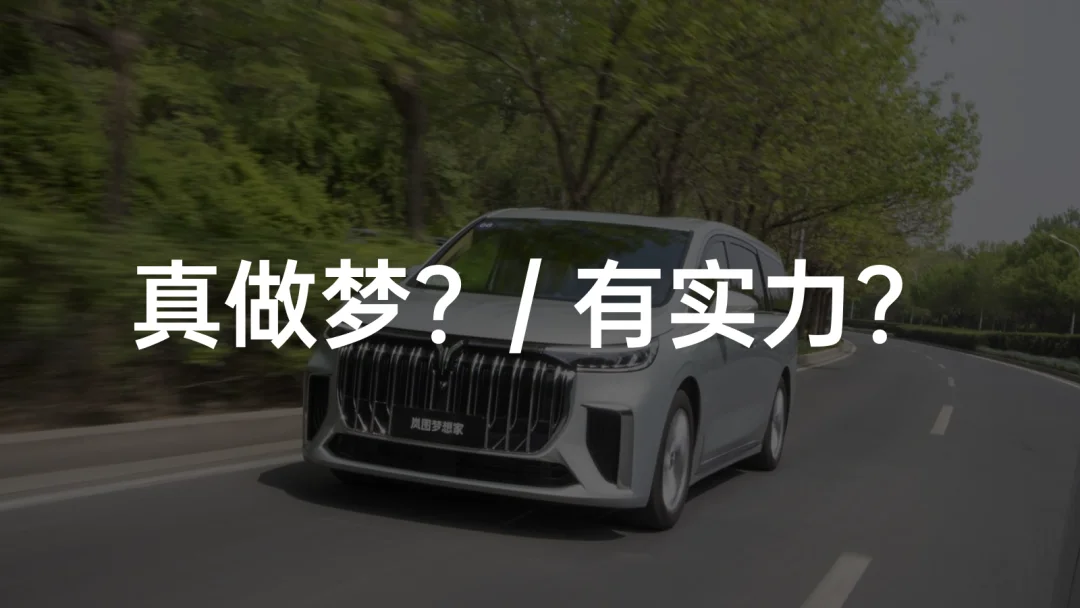
Editor's Note: Due to the Shanghai epidemic, this Beijing VOYAH Mengxiangjia test drive event was attended by a special 42HOW Auto fan, Gu Demaoning.
By early April 2022, VOYAH had introduced the Mengxiangjia. Its novel styling and rich features instantly heated up the electric MPV conversation. Two weeks later, we got an early test drive of the seven-seat extended-range version, with a pre-sale price of RMB 380,000–480,000, to see if it could successfully fire the first shot in the electric luxury MPV segment.
01Exterior
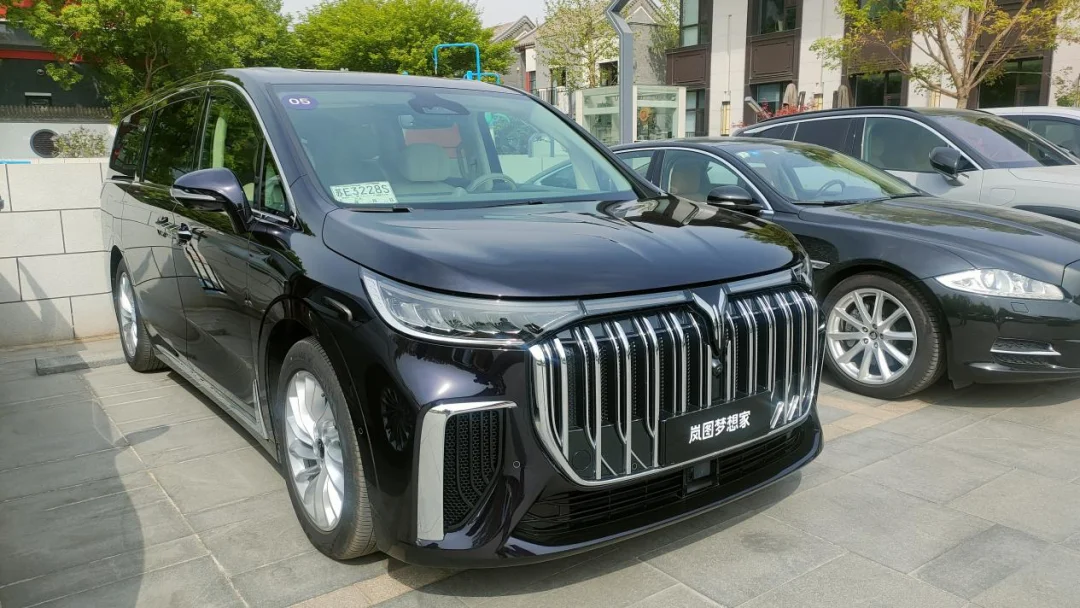
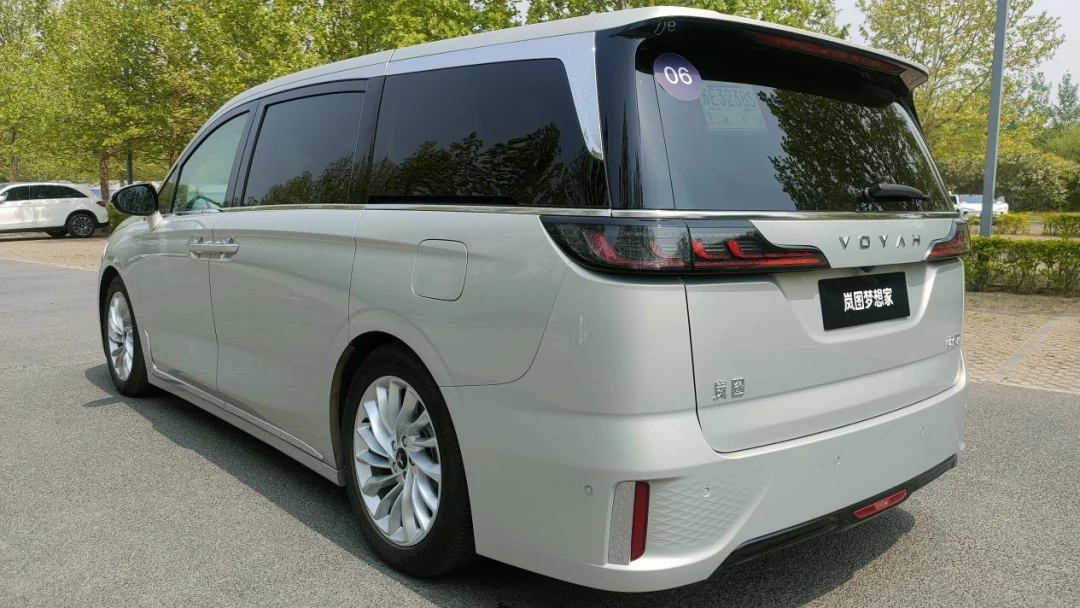
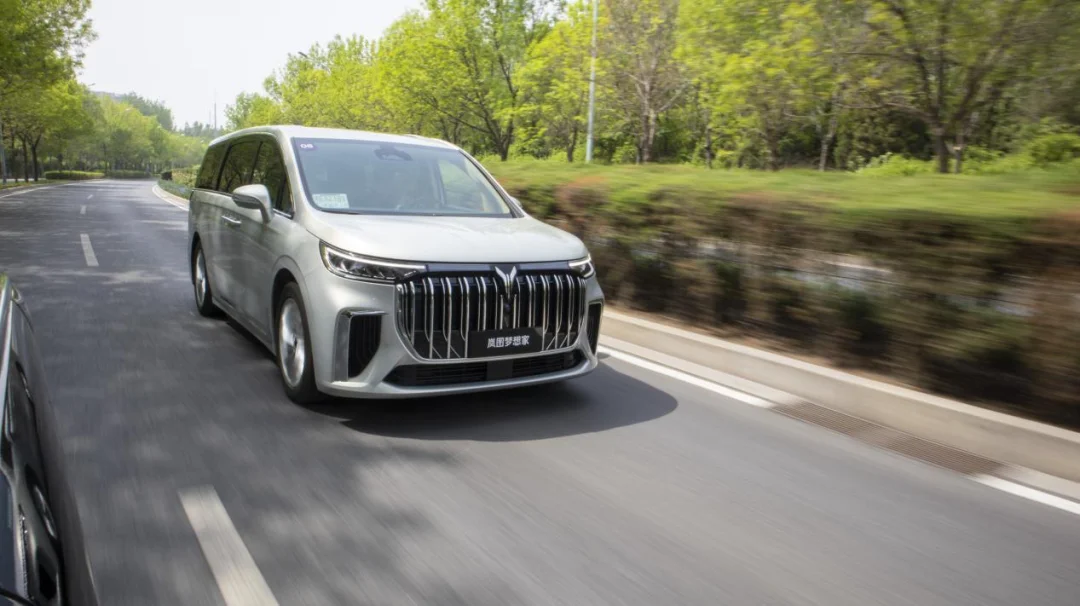
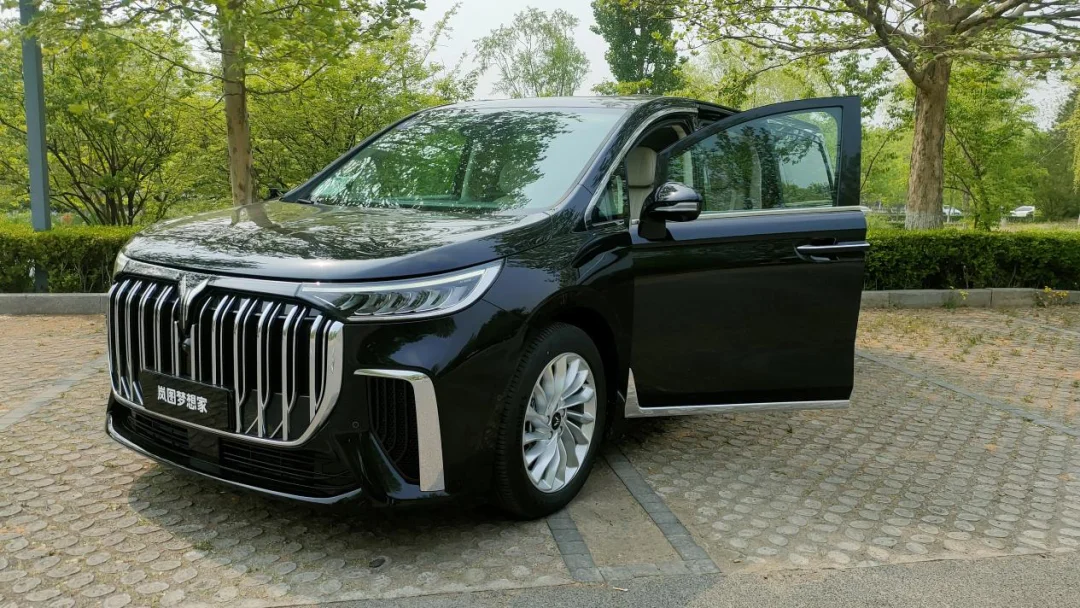
We saw many eye-catching design elements on VOYAH’s first model, the VOYAH FREE. When I approached the Mengxiangjia, beyond the fresh feeling that differed slightly from the VOYAH FREE, my greatest impression was one of awe: its massive dimensions of 5,315 x 1,985 x 1,820 mm ensure high head-turning rates even when parked on the roadside. When driving, it exudes a powerful presence and imposing aura. I believe that with such a physique, the Mengxiangjia would never feel out of place next to an Aierfa or Leierfa.
While the VOYAH Mengxiangjia was still in its camouflage phase, there were constant complaints about its exterior design. However, I think the long front end, longer than that of similar MPVs, combined with the waterfall-like front grille, appropriately outlines the Mengxiangjia’s luxurious attributes, making it look domineering.
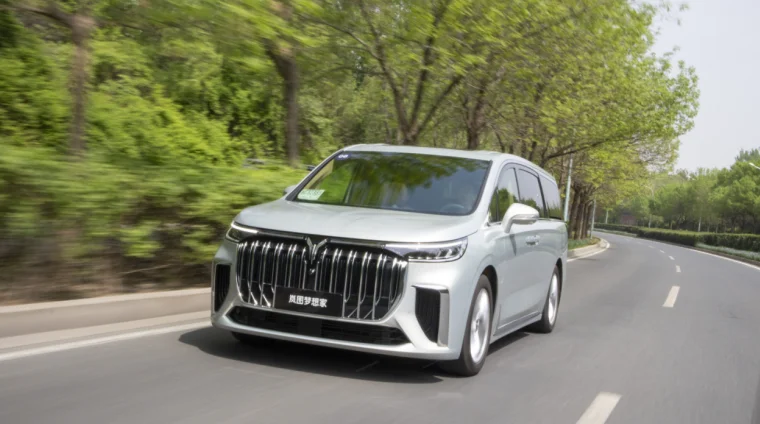
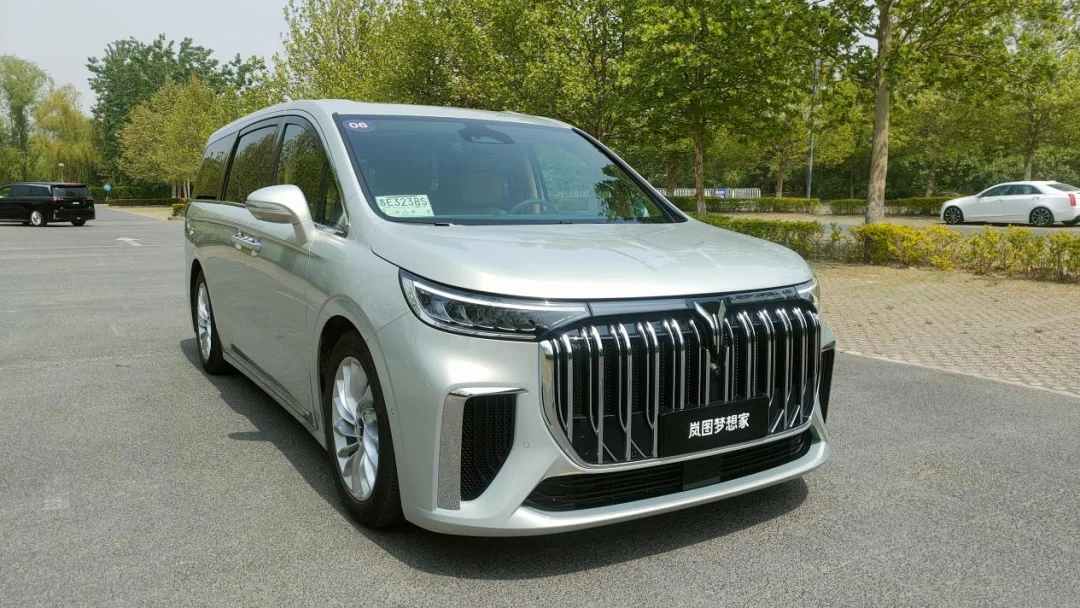
Aesthetics are subjective, so we won’t dwell on them. The long hood design is a double-edged sword: it offers ample crumple zones and buffer space, enhancing safety during collisions; however, it encroaches on interior volume, a trade-off we will examine in detail shortly.
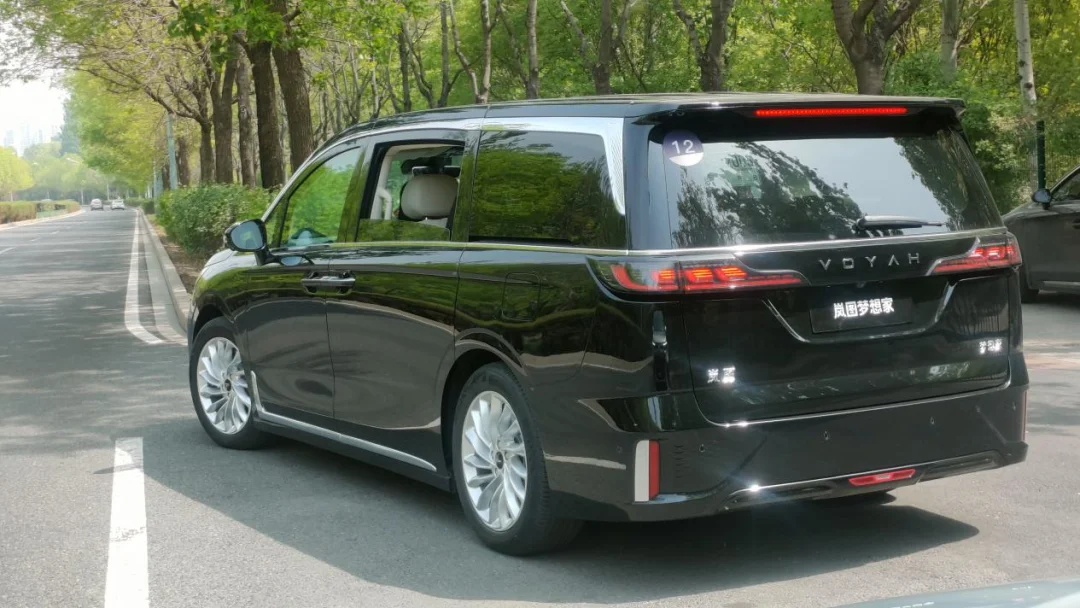
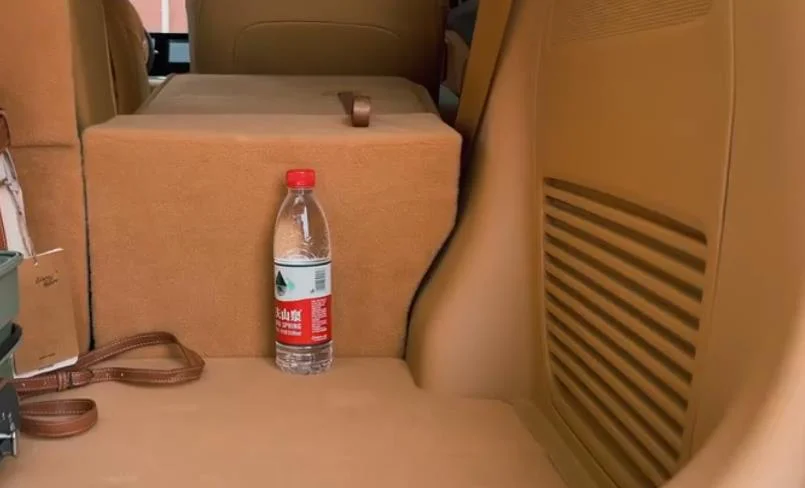
The rear of the VOYAH Mengxiangjia also warrants attention. Even with the third-row seats upright, it retains a respectable cargo capacity—a rarity among comparable MPVs. As shown in the images, when the third row is in normal use, there is no difficulty fitting luggage for a short family trip.
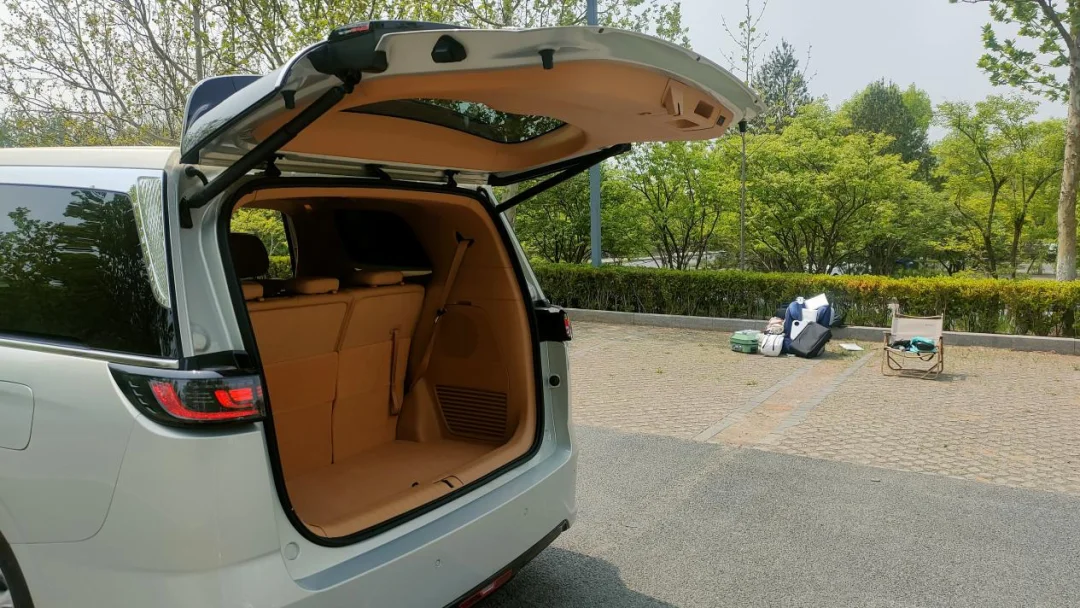
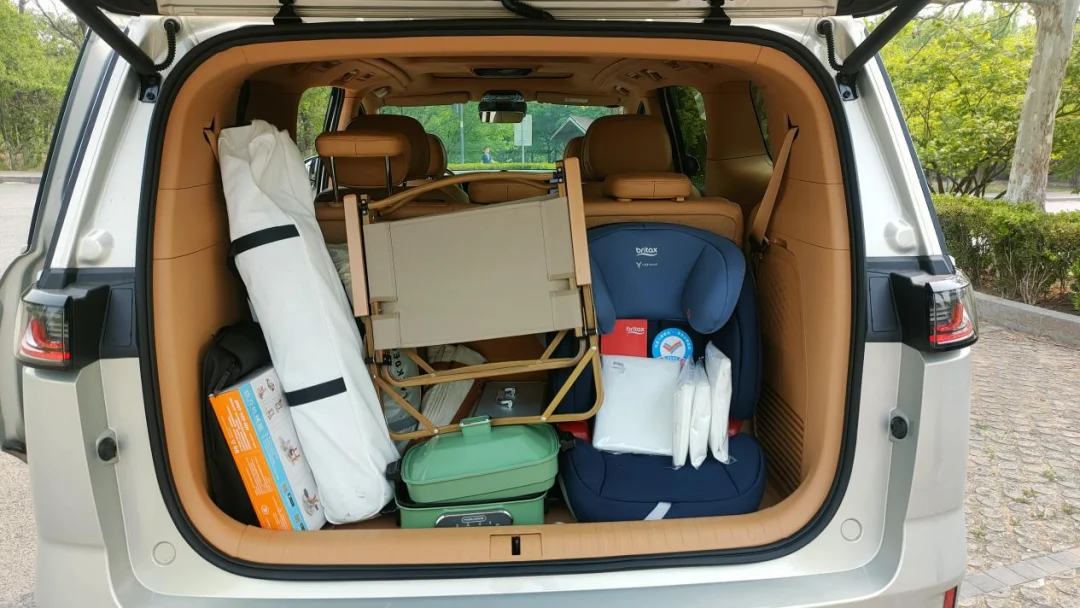
Critically, the VOYAH Mengxiangjia’s third-row seats do not fold completely flat to align with the cargo floor, limiting its maximum load potential. However, since most seven-seat buyers utilize the third row frequently, the generous cargo space available with the third row in use is already quite competitive and unlikely to hinder daily usability in most scenarios.
02Interior
Moving to the interior, the Mengxiangjia carries over the strengths of the VOYAH FREE, creating a well-executed luxurious atmosphere. The version we tested featured brown interior trim, a color that is easier to maintain in daily use than light tones while retaining a premium texture.
Notably, our static shoot took place at noon under intense sun, resulting in high cabin temperatures. Despite this, the Mengxiangjia’s cabin emitted no noticeable odors. This indicates that VOYAH invested significant effort into its interior materials. Furthermore, combined with an air management system and a fragrance system, the Mengxiangjia ensures a comfortable experience you can smell, while maintaining safety you cannot.
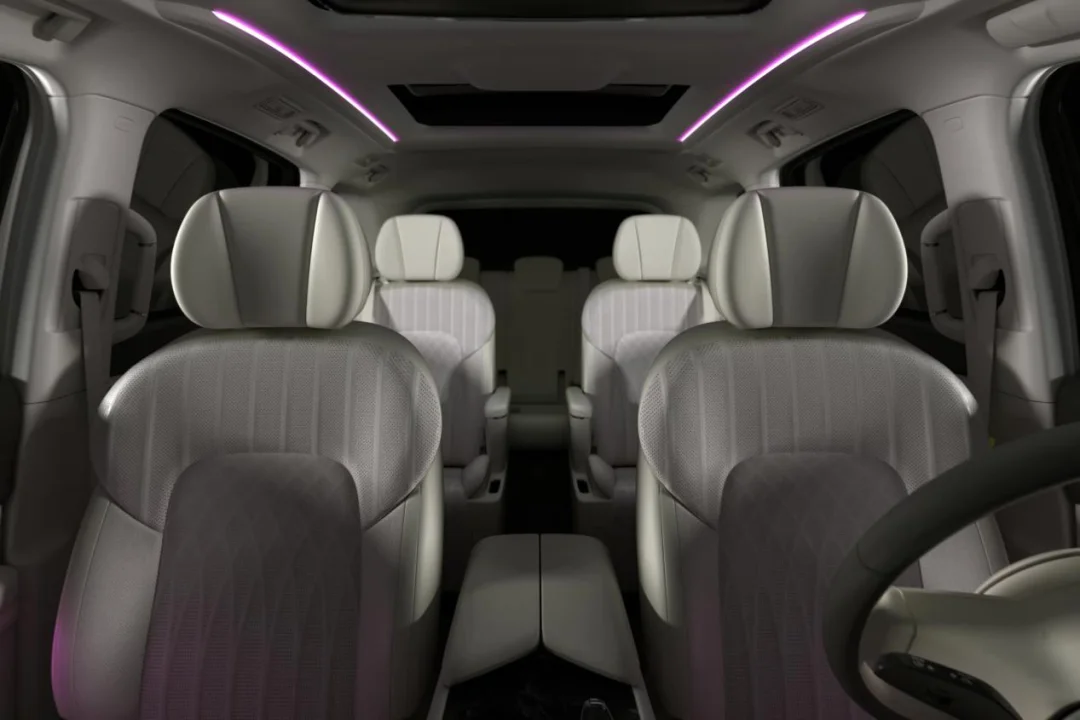
Building on the standard triple-screen setup for the driver and front passenger, the Mengxiangjia did not abandon traditional physical buttons entirely: climate controls, sunroof and sunshade switches, power sliding door buttons, and mirror adjustment keys remain, providing operational convenience.
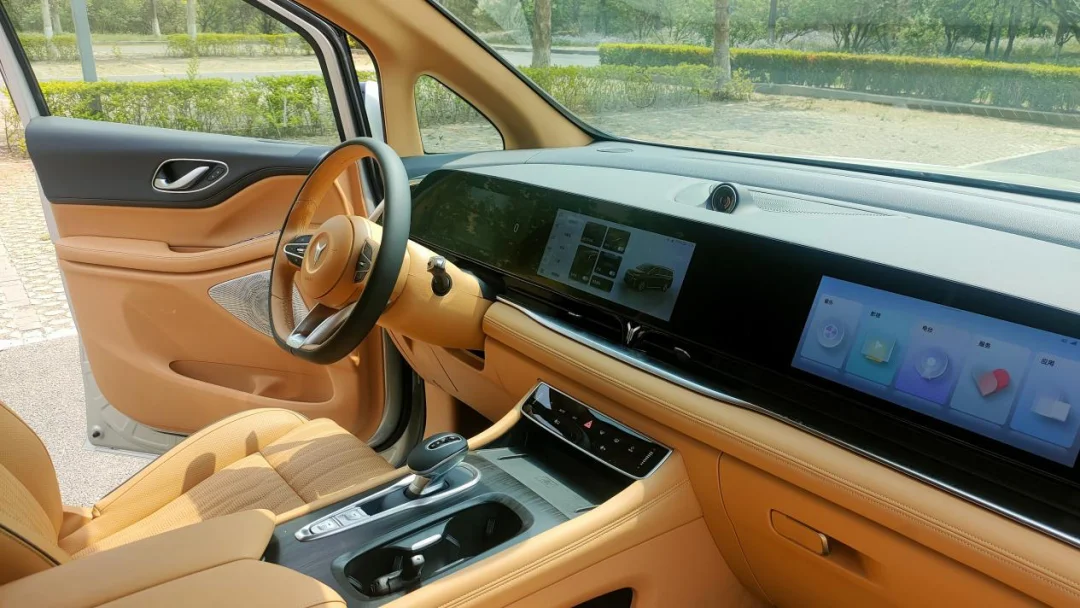
As an MPV, seat comfort is critical. The comfort of the Mengxiangjia’s front seats was a pleasant surprise; the cushioning offers a balanced firmness, good envelopment, and a spacious, comfortable ride.
The second-row seating experience is not as impressive as that of the first row. Although it is equipped with heated, ventilated and massaged seats with leg rests, as well as an independent table and rear air conditioning controls, the sense of luxury and comfort can only be considered above average due to space and cost constraints. It seems that for ultimate rear-seat enjoyment, one still has to look at the 4-seater Mengxiangjia.
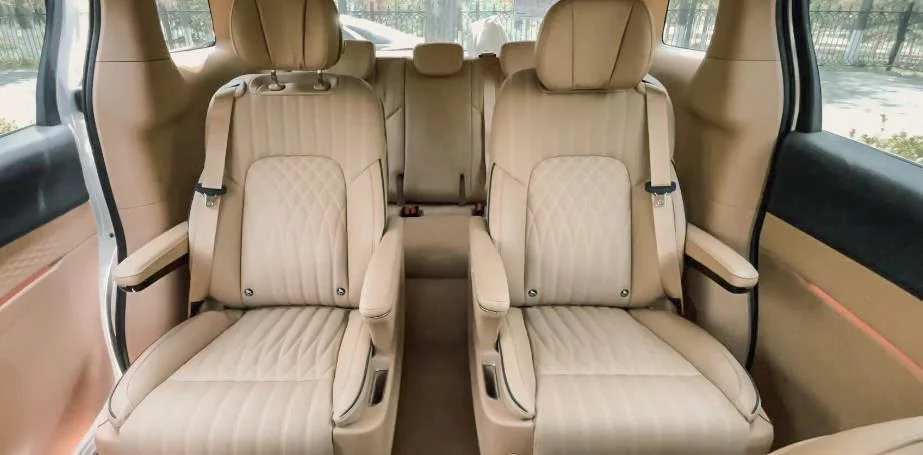
The third-row ride experience, however, came as a pleasant surprise. The Mengxiangjia offers excellent forward visibility in the third row, with no sense of confinement; the backrest angle is clearly designed with comfort in mind, allowing for a relaxed posture rather than sitting upright rigidly. The seat cushioning also feels significantly more comfortable than what is typically found in other MPVs. While the short seat base does leave the thighs somewhat unsupported, the overall third-row experience remains solid as long as second-row passengers do not recline excessively.
In summary, the front seats of the Mengxiangjia offer a first-class experience, the second-row independent seats provide an above-average feel, and the third-row seats are by no means inferior.
03Driving Experience
At first, I didn't see how VOYAH Mengxiangjia differed from traditional MPVs. But after driving it, my view changed completely.
The most immediate experience is the powerful performance. The Mengxiangjia EREV version boasts a maximum power of 290 kW and a peak torque of 610 N·m, achieving zero-to-100 km/h acceleration in just 6.9 seconds. The pure electric variant is even quicker at 5.9 seconds. Paired with an all-wheel-drive system, these figures further enhance the Mengxiangjia's driving stability. A braking distance of only 37 meters inspires strong confidence. The brake pedal feel has improved significantly compared to the VOYAH FREE, offering a linear and responsive response. Combined with the motor's abundant power output and exceptional braking performance for an MPV, the Mengxiangjia allows drivers to enjoy some driving fun behind the wheel. Meanwhile, rear passengers can relax without the driver feeling bored.
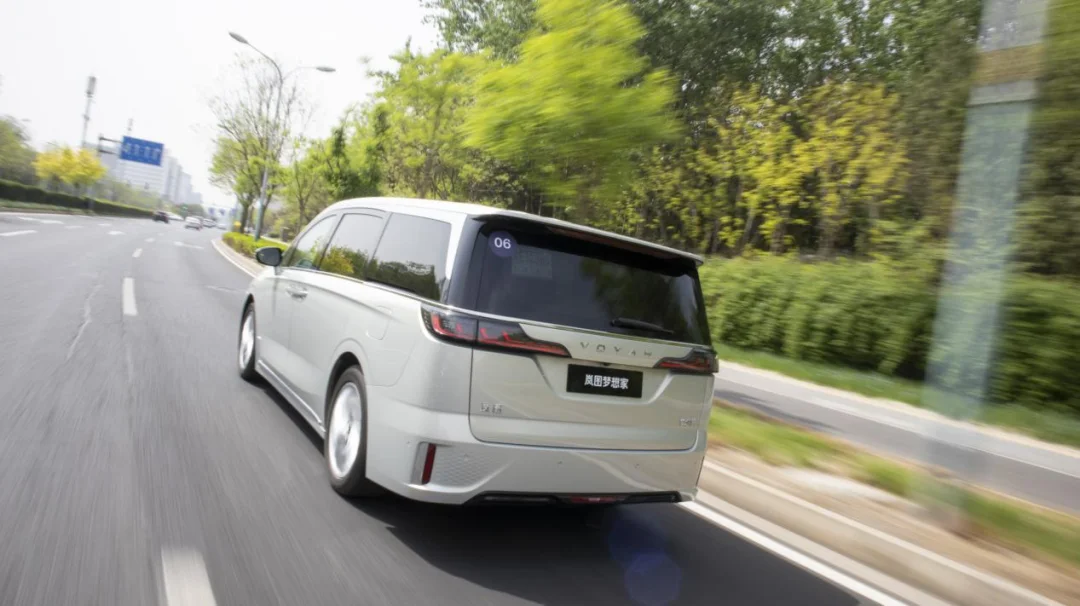
Mengxiangjia’s regenerative braking offers three adjustable levels. The lowest setting feels nearly identical to a conventional gasoline vehicle, while the highest level does not produce a noticeably strong deceleration effect. However, drivers new to regenerative braking need time to adapt their habits to avoid jerky motion when using high regeneration.
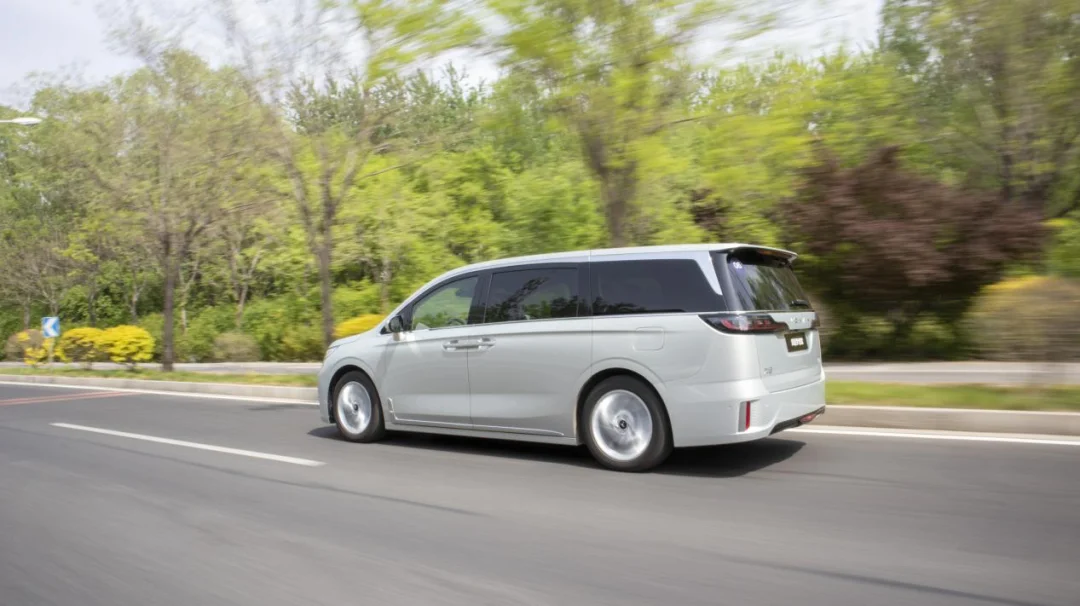
VOYAH invested heavily in Mengxiangjia’s suspension system. Equipped with a front double-wishbone and rear five-link air suspension, along with CDC adaptive 'Magic Carpet' functionality, Mengxiangjia delivers a comfortable driving and riding experience on city roads and slightly rougher surfaces, absorbing vibrations effectively.
The CDC adaptive suspension provides ample support during lane changes and turns, effectively suppressing body roll. However, on larger potholes or speed bumps, such as road depressions, some body shake from road imperfections is still noticeable. In severe bumps, the performance of the CDC and air suspension did not meet my expectations for an impressive ride; the comfort level is not top-tier and lacks the perfectly smoothed-out feel of million-yuan MPVs. Nevertheless, relative to Mengxiangjia’s price, its suspension performance remains commendable.
04Infotainment
For a new energy brand positioning itself as intelligent, the usability of the infotainment system is critical. Powered by the Gaotongxiaolong 8155 chip, Mengxiangjia’s infotainment system runs smoothly with a clear hierarchical logic. The number of apps meets daily needs, and built-in quick applications cater to various requirements.
VOYAH has put significant effort into refining Mengxiangjia’s voice control. It handles daily tasks such as adjusting vehicle functions, navigation, and air conditioning settings, and includes 'what you see is what you say' and zone control features, aligning it with industry-leading standards.
The supplier for the vehicle's navigation system is Baidu, and worth mentioning is the more comprehensive AR real-scene navigation system. In the center of the front instrument cluster screen, the camera's real-time road view is combined with AR technology navigation arrows, allowing even drivers unfamiliar with the route to see things very intuitively. The experience of this feature is excellent; the only drawback is that Mengxiangjia lacks a HUD head-up display system, which prevents the AR navigation system from being fully utilized. It is hoped that VOYAH will introduce a HUD in the future.
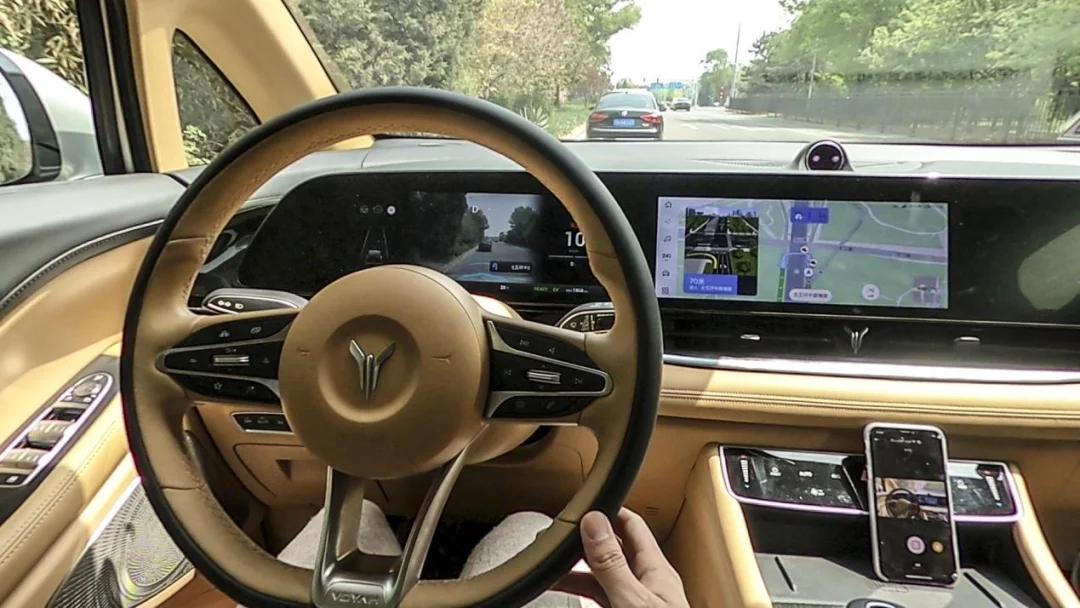
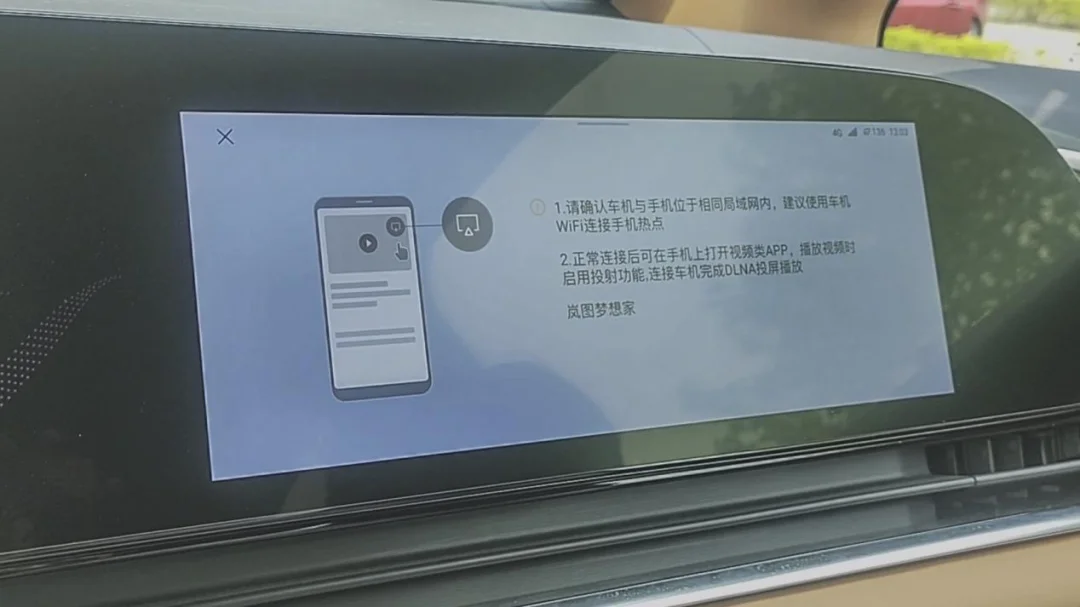
Whether an infotainment system is user-friendly often comes down to attention to detail, particularly regarding the passenger-screen display. Many automakers overlook optimization for this screen, but Mengxiangjia impressed us with two key features. First, while the app ecosystem is somewhat limited, VOYAH thoughtfully included a screen-mirroring function for the passenger display—a move that delivers significant value with minimal effort and should be adopted by all automakers.
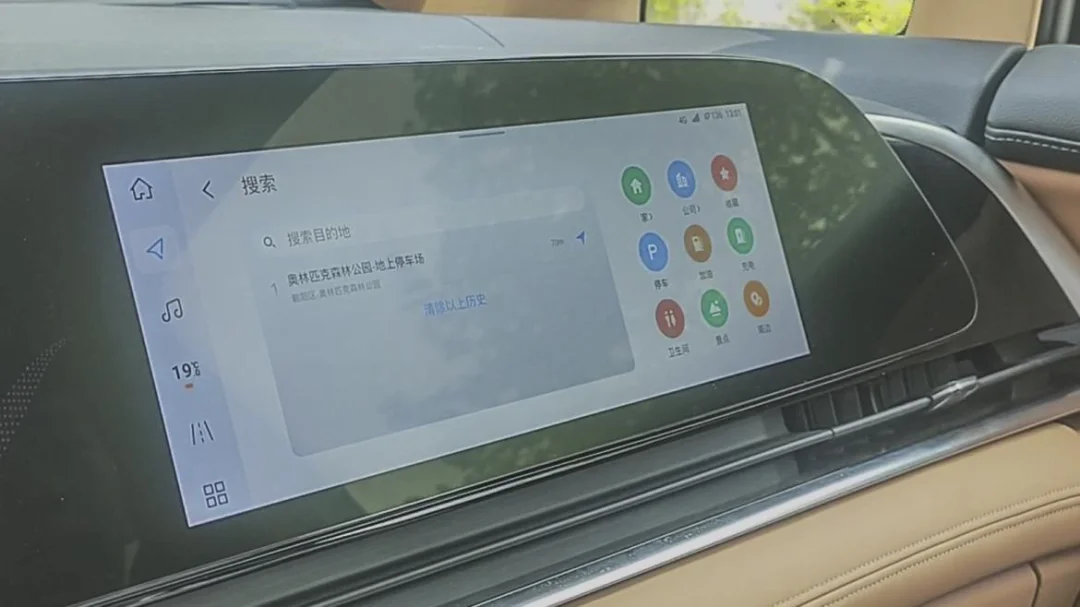
Second, the Mengxiangjia’s passenger screen can control navigation. Once a route is set, it can be directly cast to the central console’s navigation display, representing the true utility of a passenger-screen interface.
05Driver Assistance
Mengxiangjia utilizes the Mobileye EyeQ4 chip and a sensor suite comprising 22 units: five millimeter-wave radars, five cameras, and twelve ultrasonic sensors, enabling L2+ level driver assistance.
Beyond common ADAS features such as ACC adaptive cruise control, LKA lane keeping assist, and AEB autonomous emergency braking, VOYAH equips the Mengxiangjia with a night vision driving system. Utilizing infrared cameras to enable night vision capabilities, the Mengxiangjia provides a certain field-of-view advantage in low-visibility nighttime conditions. Additionally, the Mengxiangjia features turn-signal-assisted lane changing, a trait that distinguishes VOYAH as a new EV startup from traditional automakers. In practical use, there are no significant issues; it delivers a good experience on ring roads and expressways where pedestrians and electric bikes are absent.
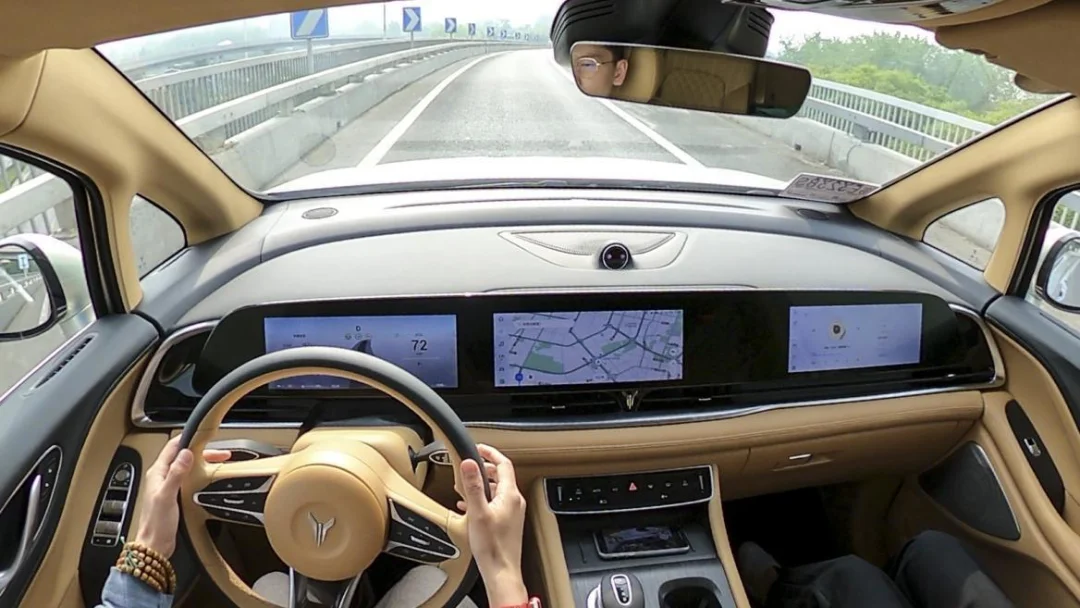
VOYAH's L2+ driver assistance system still has room for improvement. For instance, its lane centering (LCC) cornering performance lags behind the top tier, its lane-change strategy upon signaling is overly conservative, lane-change maneuvers can be somewhat abrupt, and the visual interface requires further refinement. However, thanks to Mengxiangjia's vehicle-wide OTA capabilities, VOYAH engineers stated on-site that the driver assistance features are still being perfected and will deliver better performance in the future.
Overall, with hardware that is more than sufficient, we have already seen Mengxiangjia’s solid ADAS capabilities and its determination to deliver a strong driver-assistance experience in this near-production test vehicle. Therefore, VOYAH’s ADAS system is worth looking forward to.
06Summary
As an MPV, if you want to balance family needs without sacrificing your driving experience, the Mengxiangjia is an excellent choice. I believe the Mengxiangjia can be a product in the MPV category that gets both the fish (family needs) and the bear's paw (driving feel).
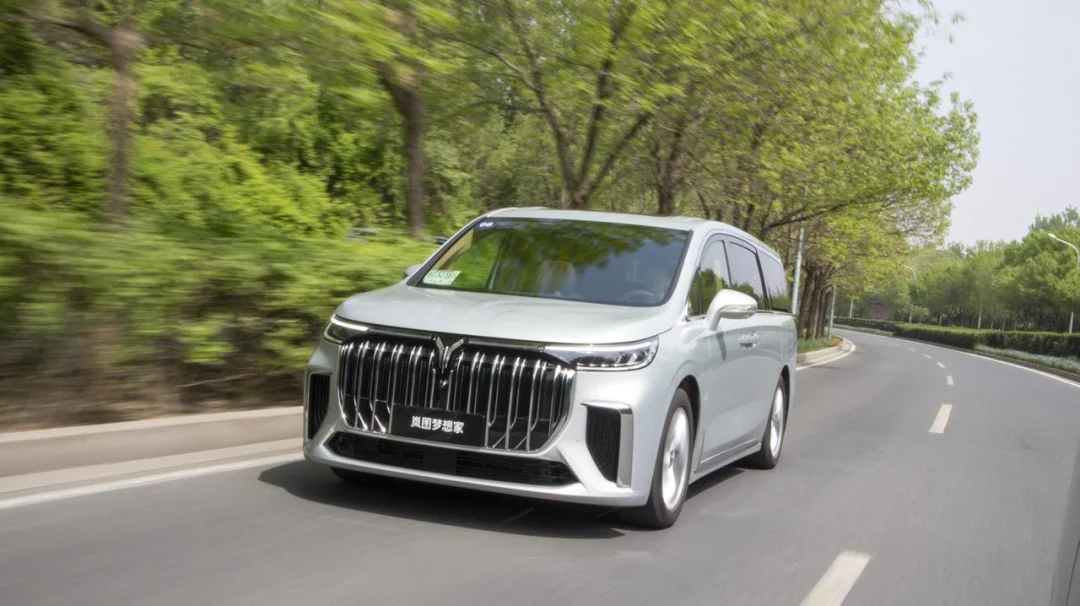
For business vehicle needs, the Mengxiangjia's imposing exterior presence is on par with million-yuan-class rivals, while also ensuring a comfortable rear-seat experience. Most importantly, as a new force, compared to some of its older, more traditional competitors, the VOYAH brand may better align with the values of emerging companies.
So, what would you choose?
Written by: Gu Demaoning | Edited by: Mingming