


Haomozhixing Demonstrates City Navigation-Assisted Driving at AI Day
In 2019, Tesla officially launched NoA, or navigation-guided driving. After users set a destination in the vehicle's map system, the car can automatically enter and exit ramps and overtake slower vehicles on available road segments. Although this is still a Level 2 feature, compared to models with only lane-keeping and adaptive cruise control, Tesla has made significant breakthroughs.
In 2020, domestic new force NIO was the first to follow suit, launching NOP; in January 2021, XPENG followed; by the end of the year, Lixiang quickly joined. However, looking at the international automotive landscape, only these four new forces have developed this advanced driver assistance feature.
However, the situation may change starting in 2022.
01Showcasing Strength
In November 2021, Haomozhixing, which originated from the intelligent driving forward-looking division of GWM Technology Center, officially pushed the NOH smart pilot driving assistance function to WEY Mocha users. This made Haomozhixing the first autonomous driving AI company in China to launch this feature.
And just over a month after NOH SOP went online, Haomozhixing launched an even stronger feature on this basis: city-level navigation-guided driving, or City NOH.
This makes Haomozhixing the second company, after XPENG's urban NGP, to announce this feature. The official release also included a road test video showing its performance.
11-Kilometer Capability Demonstration
In a one-take video presented by Haomozhixing, a test vehicle equipped with Haomozhixing’s City NOH (City-level Navigation-guided Driving) traveled 11 kilometers, passing through:
24 intersections
27 crosswalks
22 traffic lights
5 unprotected crosswalks
2 roundabouts
The entire video lasted 34 minutes, with no manual intervention required.
Just looking at these numbers, one can feel the complexity and high difficulty of urban navigation-assisted driving. For those who don't know much about this type of feature, there is still a learning curve. So below, we will break it down and analyze how Haomozhixing's City NOH handles different scenarios in urban traffic.
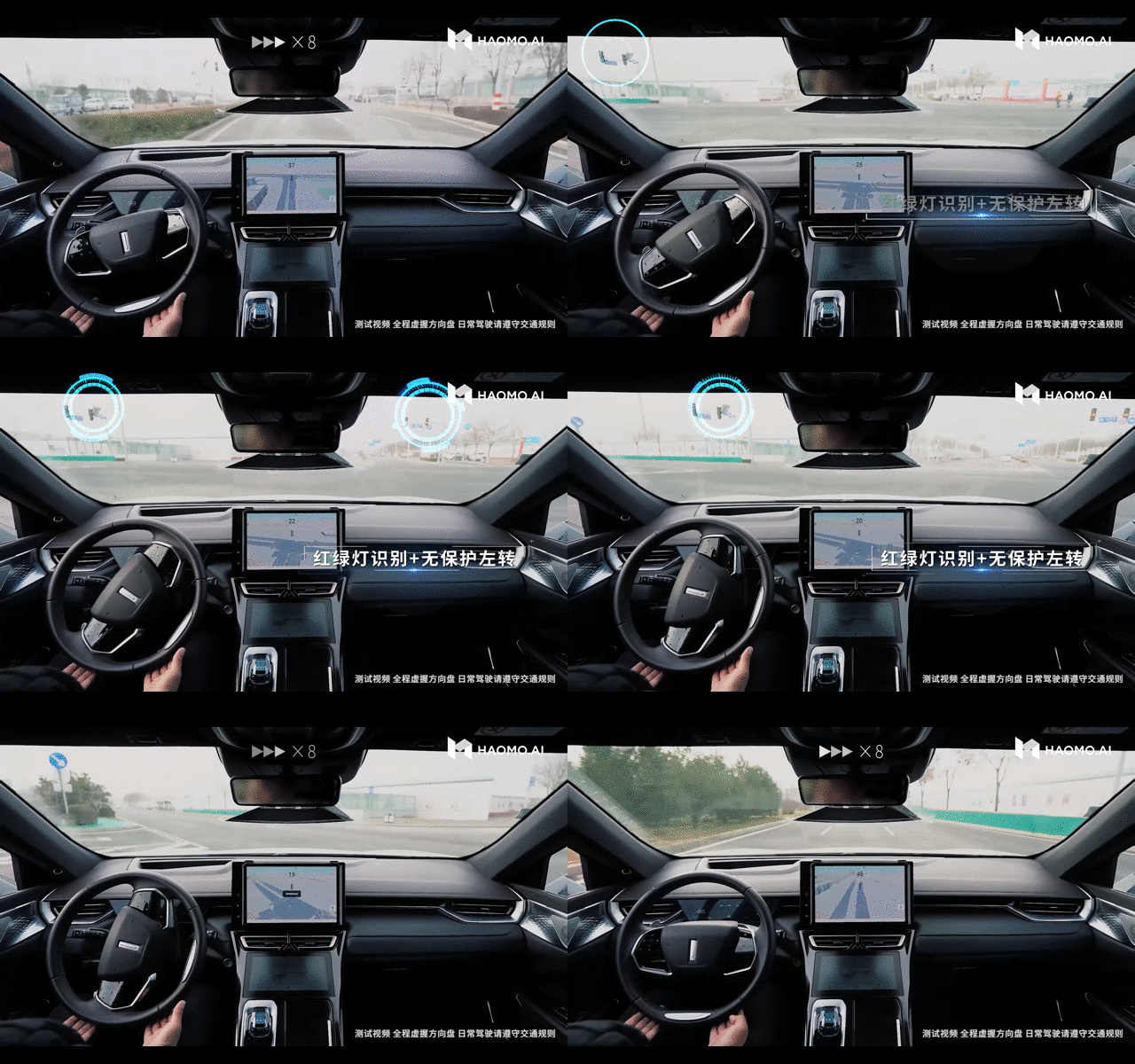
Soon after starting the test, the vehicle encountered a typical high-difficulty scenario: an unprotected left-turn intersection.
An unprotected left turn refers to an intersection where no dedicated green light is set for left turns; left-turning vehicles travel simultaneously with straight-going vehicles. This requires the vehicle to have precise perception of vehicles from all directions, and the system must track and locate multiple traffic targets simultaneously. On the planning and control side, it also needs to run certain game-theory algorithms based on traffic regulations under the scene.
This is not a simple intersection even for novice human drivers, let alone machines. Fortunately, the traffic flow at the intersection in the video was not heavy. After identifying that there were no other road users around, the vehicle passed through quickly.
One point worth noting in this scenario is that the vehicle accurately identified the traffic signal lights before reaching the intersection, and its driving decisions would be made according to the instructions of the signals.
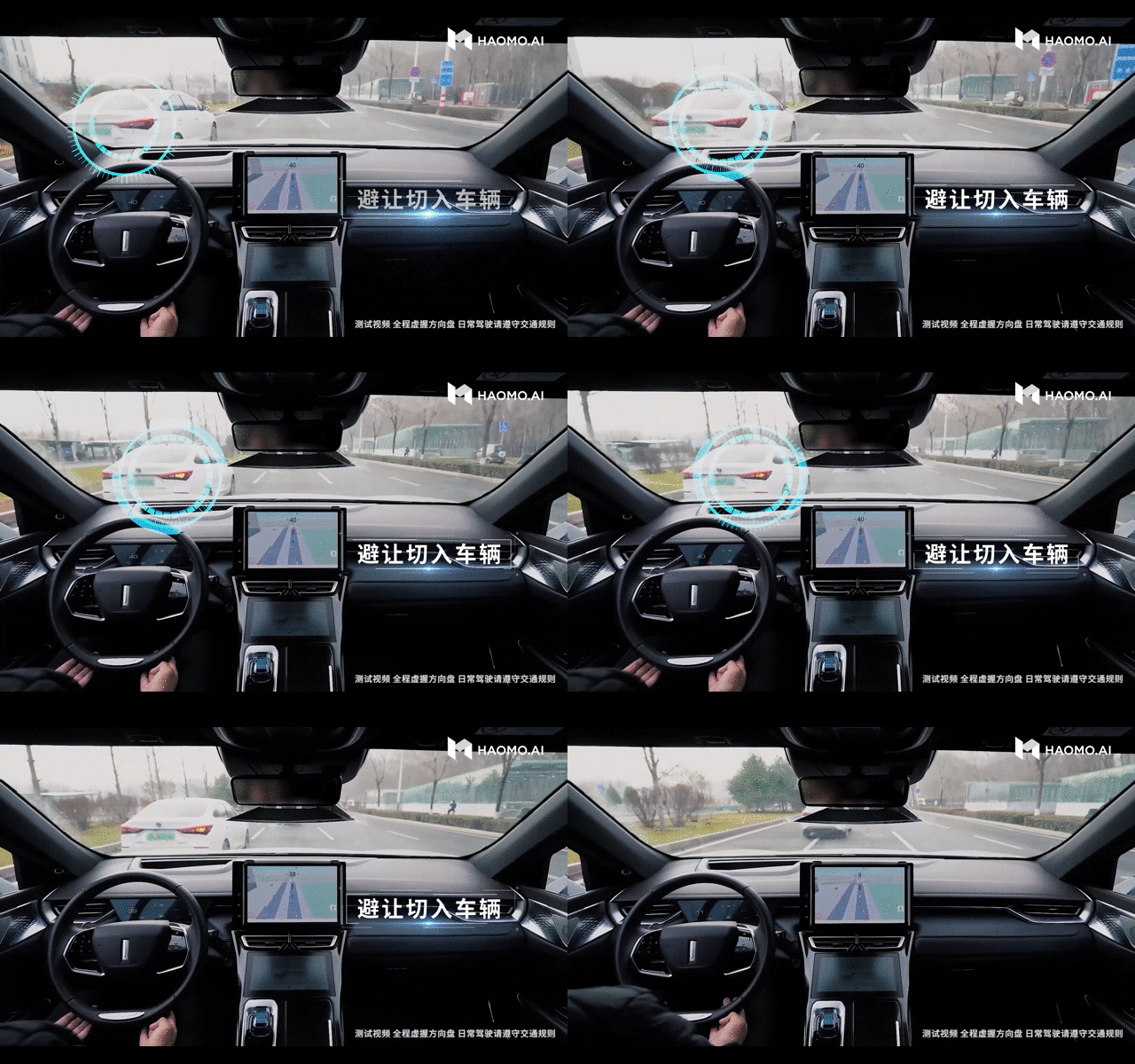
After passing the intersection, the test vehicle happened to encounter a vehicle making a U-turn in the opposite lane. From the test vehicle's HMI, it had already identified the slow-moving vehicle to the front-left. However, since that vehicle did not encroach on the current lane, the test vehicle did not perform any extra evasive or deceleration actions.
However, a vehicle in the left lane suddenly accelerated and executed a cut-in maneuver directly in front of the test vehicle. The test vehicle braked urgently to avoid a collision, demonstrating strong decision-making capabilities in identifying such aggressive merging behavior.
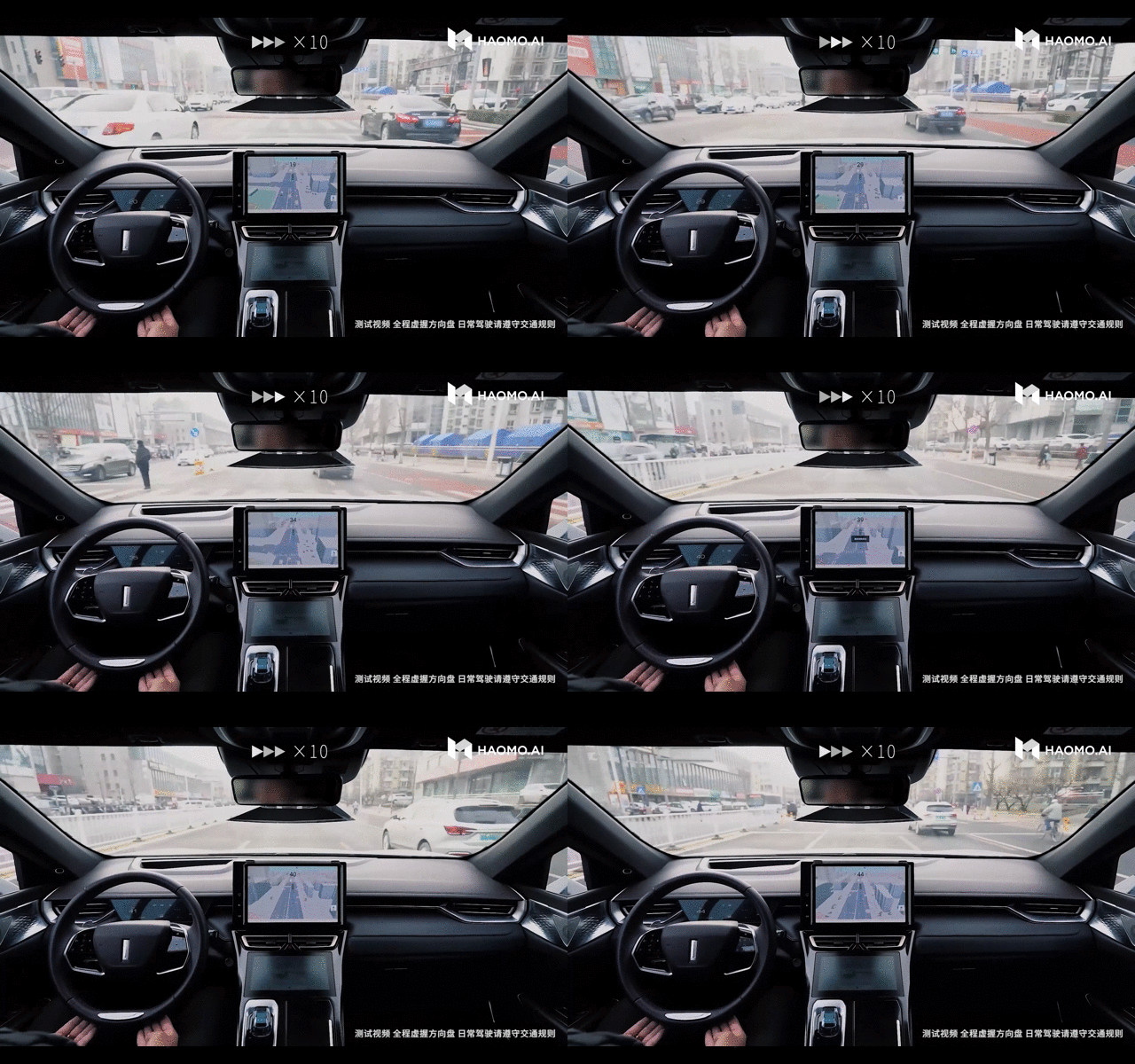
The vehicle moved into the rightmost lane in advance to prepare for an upcoming right turn. Judging by the steering wheel movements, the lane change was executed smoothly. While many may not understand the significance of this, a fluid motion enhances the user experience, building trust in the system and improving passenger comfort.
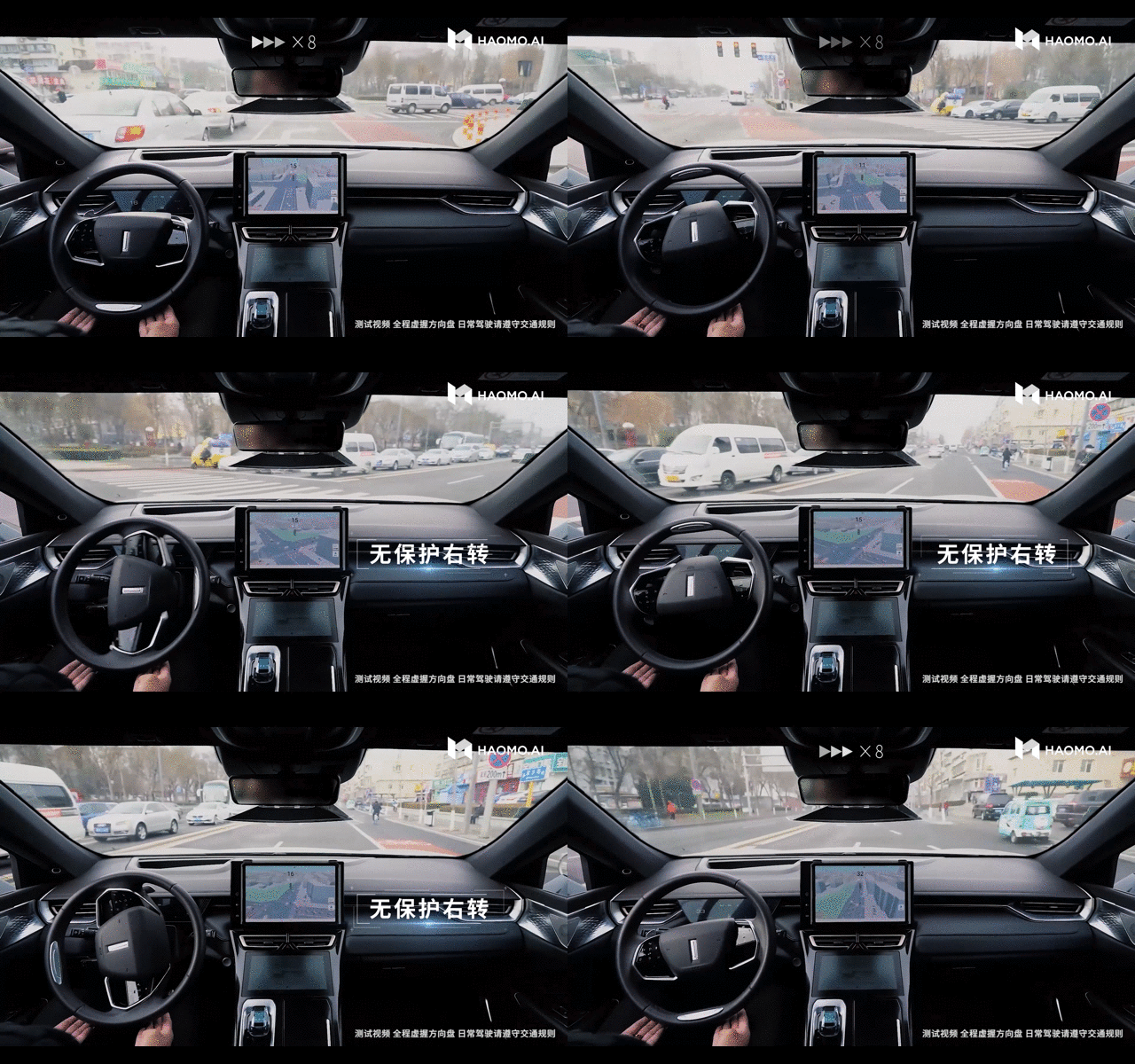
This segment featured the first unprotected right turn of the journey. In daily driving, right turns are often simpler than left turns, but they present challenges for autonomous systems.
First, from a perception standpoint, the vehicle must decelerate in advance before turning. Vehicles waiting in the left lane can obstruct the view, preventing the test vehicle from 'seeing' conditions on the crosswalk at the front-left corner. The vehicle must slow down and proceed cautiously. After identifying other road users on the crosswalk, it must predict their trajectories to ensure no conflict with its own path before executing the next step.
Furthermore, the system cannot focus solely on the front; it must simultaneously monitor traffic participants in the rear-right, likely two-wheeled vehicles. Haomozhixing’s City NOH perception equipment achieves 360-degree visual coverage, enabling it to detect vehicles in the rear-right blind spot.
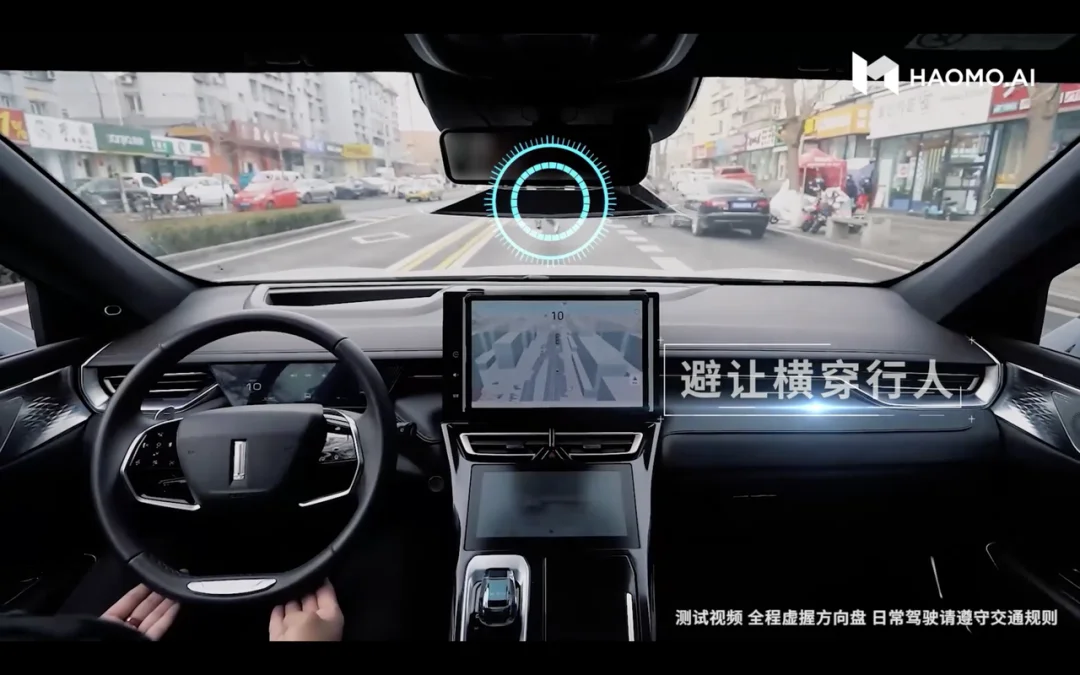
During the test, a pedestrian jaywalking across the road appeared in front of the vehicle. The test car promptly identified the hazard and slowed down to yield.
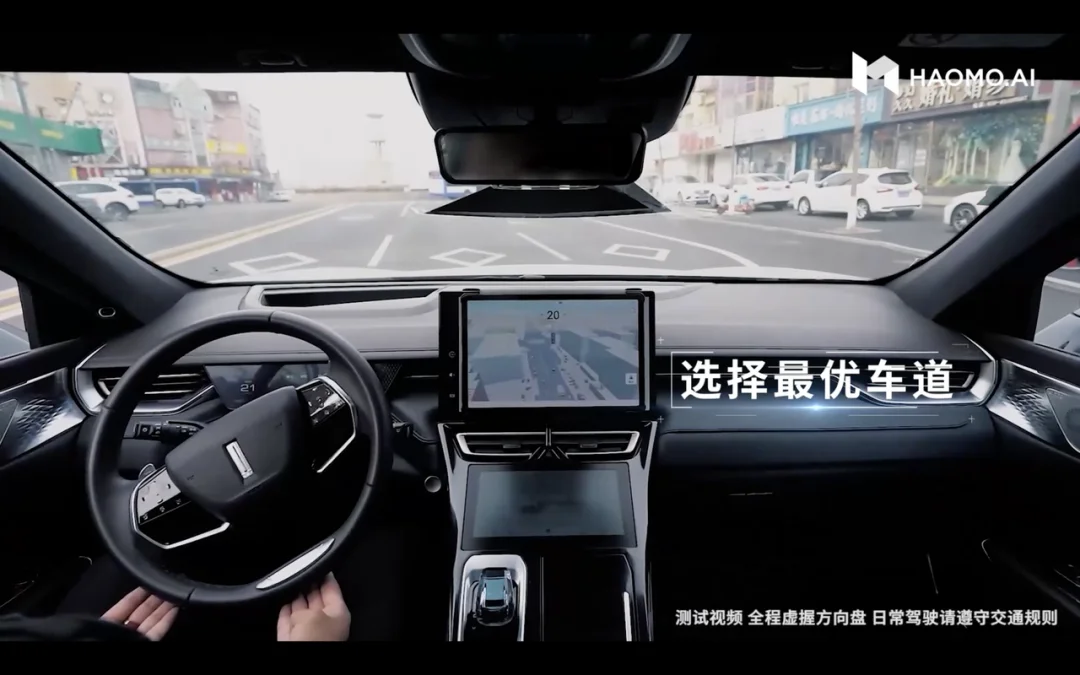
The ability to navigate roundabouts is one of the most demanding scenarios for testing a system's perception, decision-making, and execution capabilities. Even human drivers must remain vigilant, observing all directions when approaching a roundabout. Furthermore, roundabouts are virtually non-existent on closed roads such as highways and elevated expressways; therefore, data and experience gathered from closed-course driving are not applicable to this scenario.
Before entering the roundabout, the test car executed a lane change to select the optimal route, then slowed down to yield to pedestrians on a crosswalk. Once inside the roundabout, a two-wheeled vehicle cut in front of the test car, prompting an immediate deceleration and evasive maneuver.
Within the roundabout, the vehicle maintained its position in the center lane, staying consistently centered. At the second exit, the test car activated its right turn signal, changed lanes across the boundary to merge out, and successfully navigated through multiple complex cases. Haomozhixing’s City NOH (Navigation-guided Driving) handled the entire sequence of actions smoothly.
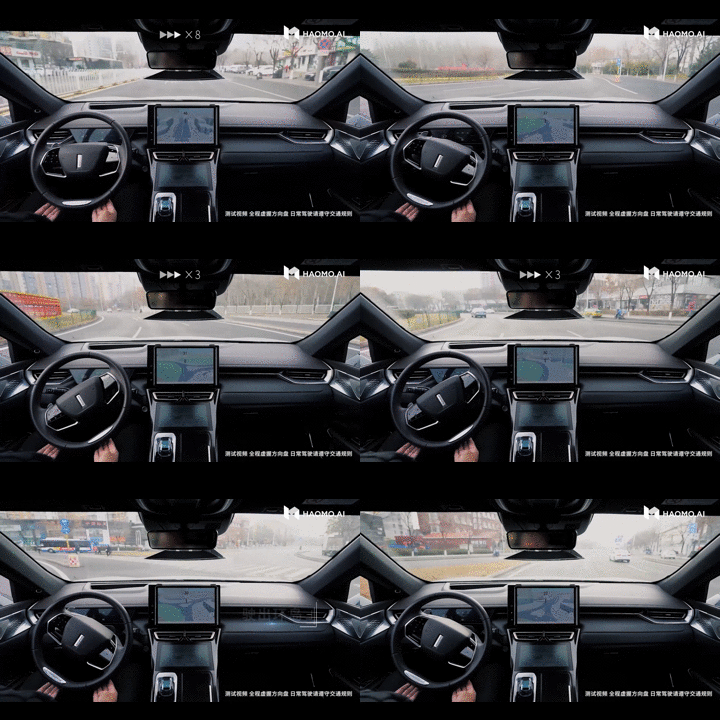
The vehicle later encountered another roundabout. This time, it employed the same strategy: entering via the center lane and maintaining that lane throughout the maneuver. The traffic conditions were simpler than the previous instance, with no interference from other road users, allowing the test car to pass through at a relatively higher speed.
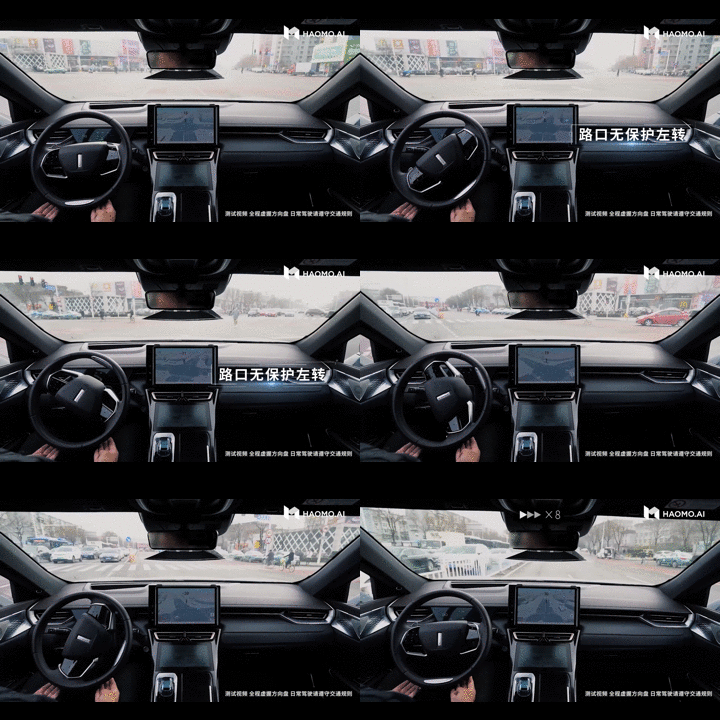
Encountering unprotected left turns again, the test vehicle identified a small car in the oncoming lane making a right turn. However, its trajectory had no relation to our vehicle, so this passage was also very smooth.
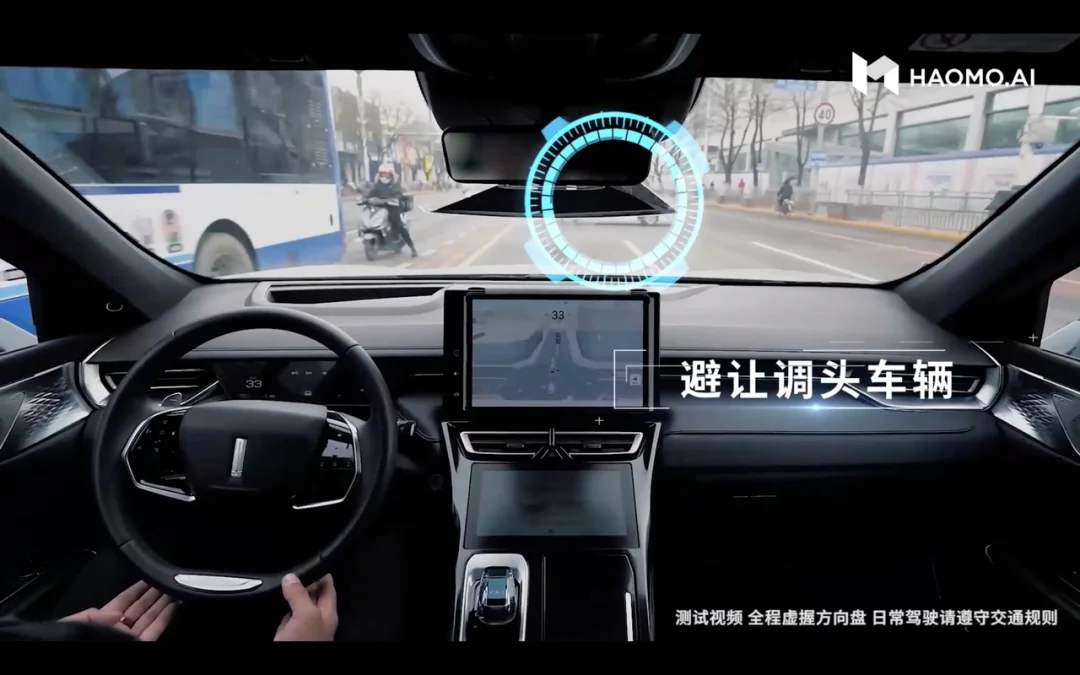
An oncoming small vehicle was executing a U-turn. The test vehicle successfully detected it and slowed down. After the oncoming vehicle moved into the right lane, the test vehicle accelerated away.
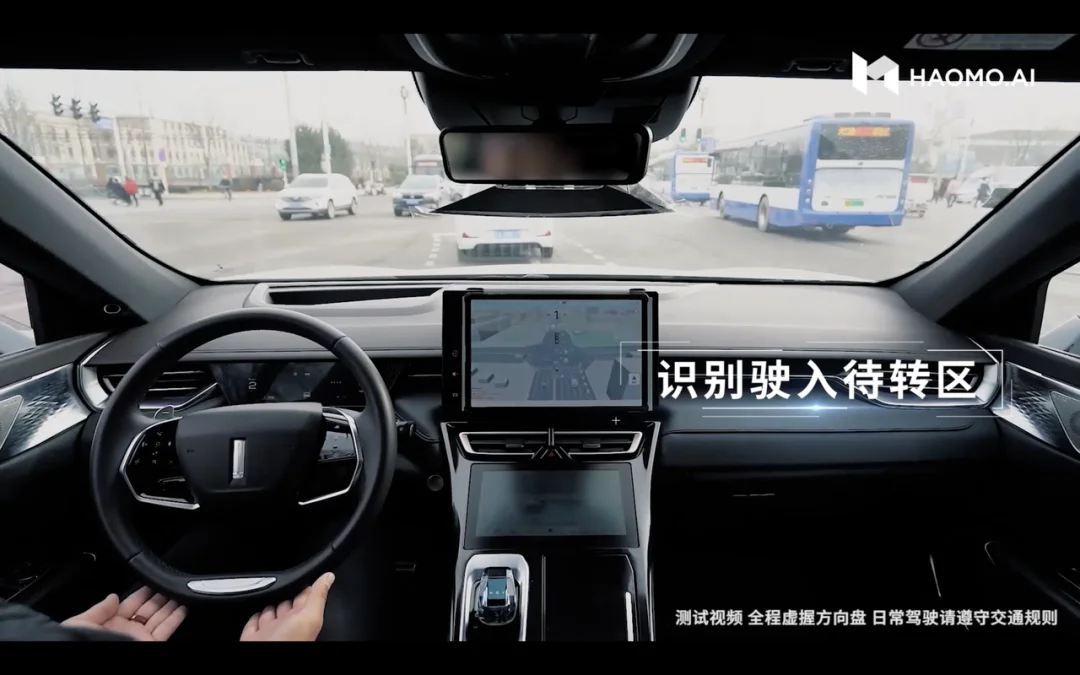
The test successfully identified the waiting zone and entered it before making a left turn. In such scenarios, the system must be able to recognize lane lines and traffic signals and make decisions based on the environment.
However, this intersection is not an unprotected one, so the difficulty of passing through it is not that high.
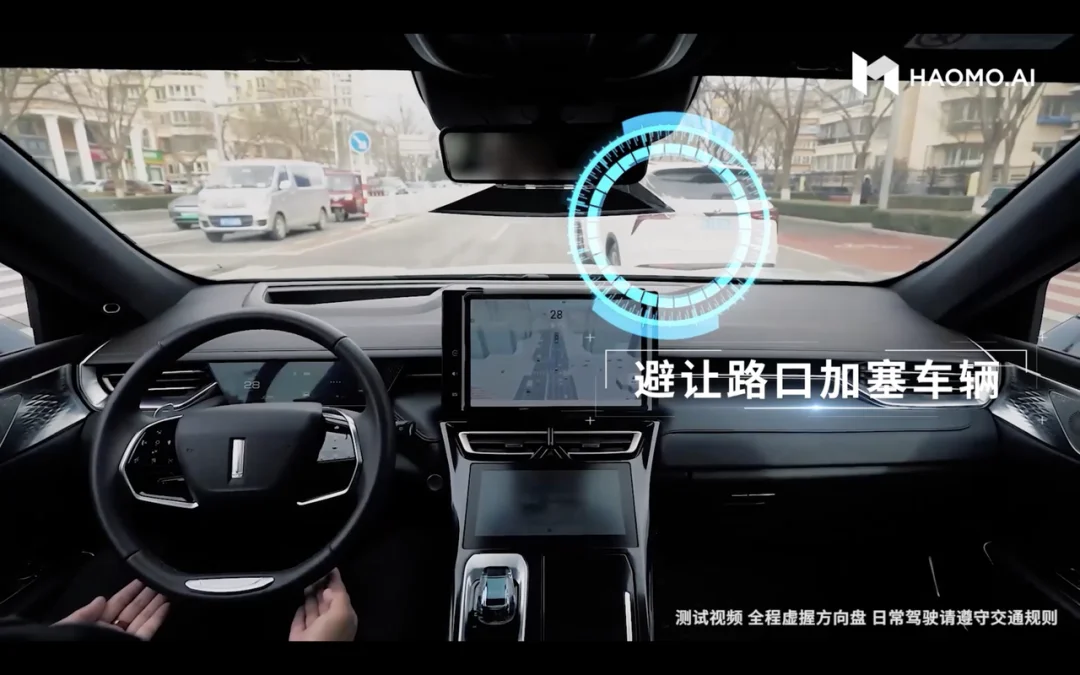
A vehicle on the right suddenly accelerated into the space in front of our car, prompting the system to immediately decelerate and yield. In urban scenarios, where cut-in maneuvers are relatively common, the system must accurately perceive its surroundings and make timely decisions.
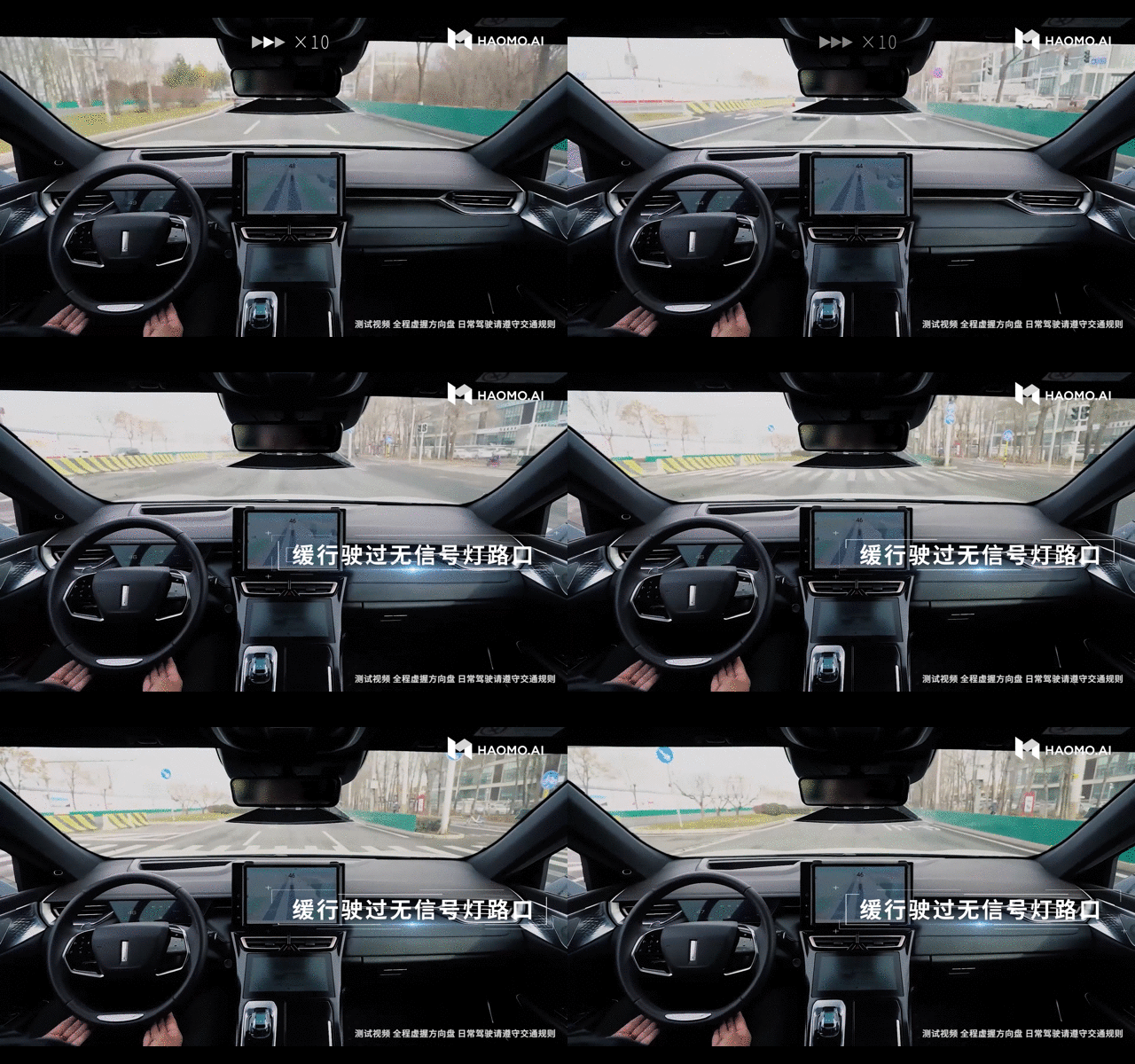
Open intersections appear frequently in urban environments, with T-junctions being the most common. Sometimes these intersections are not equipped with traffic lights, and human drivers typically choose to slow down and proceed cautiously. The same applies to machines; test vehicles decelerate in advance at the intersection and pass through slowly.
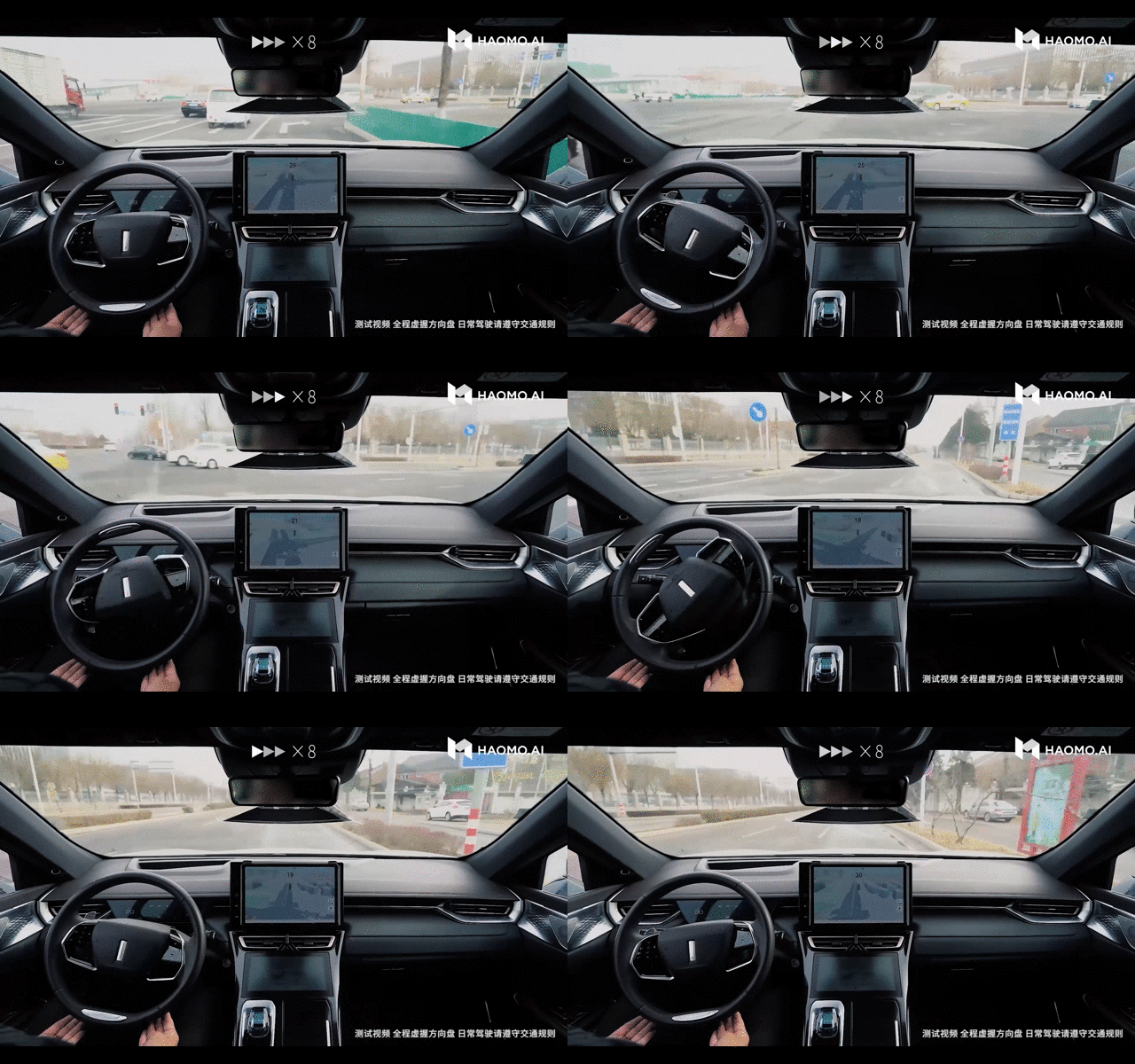
After completing a right turn at another intersection without sidewalks, this test concluded with no takeovers by the safety officer throughout the process.
I don't know what thoughts this kind of testing evokes in you, but in terms of difficulty itself, achieving long periods of hands-free assisted driving on urban roads requires particularly profound technical accumulation.
This is because the conditions of urban roads are completely different from those of closed tracks.
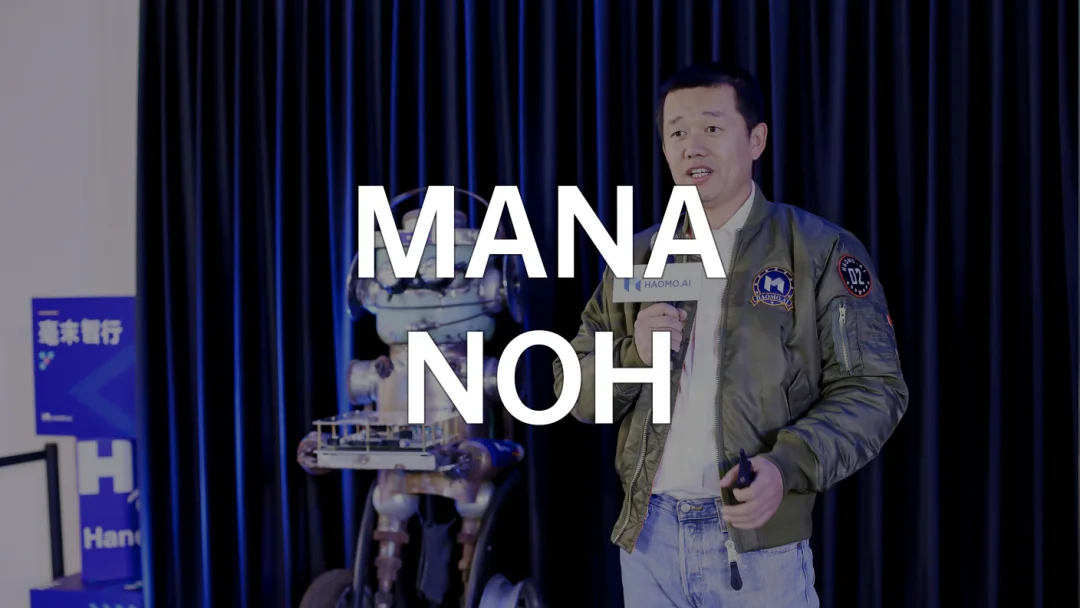
The difficulty increases exponentially, placing high demands on the vehicle's perception and computing capabilities. How did Haomozhixing achieve rapid R&D in such a short time? This brings us to Haomozhixing AI DAY, when Haomozhixing officially released its data intelligence system MANA (Xuehu).
02MANA: A Trinity Under an Intelligent System
We all know that data is the foundation of autonomous driving. Haomozhixing’s MANA, whose full name is the Data Intelligence System, consists of three components: perceptual intelligence, cognitive intelligence, and automated verification.
On closed test tracks, vehicles need to identify lane markings and their surroundings. However, information such as speed limits and road curvature is provided by high-precision maps. In highway navigation-assisted driving, these maps provide a "god's-eye view," offering prior information to the vehicle. This is often referred to by proponents of pure vision systems as "cheating" or an "external aid."
Tesla is an exception among this group. Among models equipped with navigation-assisted driving, only Tesla vehicles do not use high-precision maps. In terms of user experience, pure vision solutions and systems supported by high-precision maps each have their own advantages and disadvantages.
Returning to city navigation-assisted driving: while vehicles on closed tracks can rely heavily on high-precision maps, doing so in complex urban environments is impractical. First, the efficiency of collecting and updating map data does not meet requirements; second, the real world is too complex and uncertain.
Therefore, building a robust database and enhancing single-vehicle intelligence are key to solving these problems.
Perceptual Intelligence
For autonomous driving, perception capabilities are crucial; they form the foundation and prerequisite for all other operations.
Haomozhixing’s test vehicles for City NOH use a sensor configuration of cameras and LiDAR, achieving 360-degree pure visual coverage. To handle the data from these cameras, Haomozhixing employs a shared backbone network. After computing basic data, it generates two branches: one for multi-layer feature-based object tracking extraction, including recognition of lane lines, stop lines, curbs, vehicles, and traffic signals; the other for scene recognition.
For point cloud data collected by LiDAR, Haomozhixing uses the PointPillar algorithm, which is characterized by fast computation. Haomozhixing first reduces the dimensionality of the point cloud data to pseudo-2D, then uses a feature extraction network to perform 3D bounding box detection and obstacle detection across multiple tasks.
In practical applications, sensors may encounter truncated targets that cannot be effectively utilized. Haomozhixing fuses the process of these two types of data sources, with the ultimate goal of mapping the real world into tensor space maps.
Perception is objective; results are binary (0 or 1). Sensors and mapping networks need only reflect the objective world, and the more accurate, the better. Given the diverse scenarios on urban roads, there is only one solution: eliminate all corner cases using massive amounts of data.
Perception has standards, but cognition is self-established.
Cognitive Intelligence
Haomozhixing refines various real-world problems from macro to micro levels. Many details influence our driving behavior.
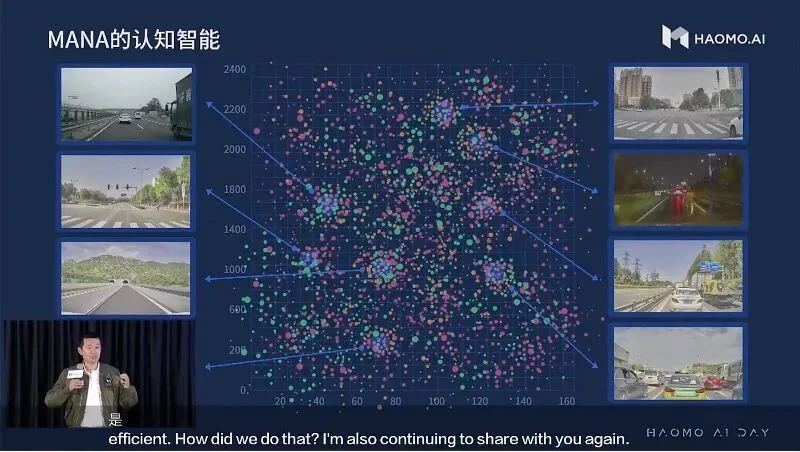
The factors are broadly categorized into weather, road structure, traffic participants, traffic flow density, relative positions, the host vehicle’s route, collision risk, and time to collision. Haomozhixing mines and expresses these attributes from existing data, then performs clustering and classification to identify more comfortable and efficient solutions.
At the micro level, detailed driving scenarios are broken down further. For example, Haomozhixing divides a start-stop maneuver into four stages: steady-state car following, deceleration of the lead vehicle, braking to a stop by the lead vehicle, and the lead vehicle starting again. In each stage, the host vehicle system must ensure its corresponding responses are reasonable and comfortable.
Haomozhixing researches end-to-end simulation learning, digitizing scenarios and using prior experience as guidance to derive specific lane-level actions. Simulation learning requires larger data samples to learn patterns from the data.
Labeling and Verification
As data volume continues to expand, labeling efficiency becomes a prominent issue. Haomozhixing employs unsupervised automatic labeling; while performance is decent, it is far from sufficient.
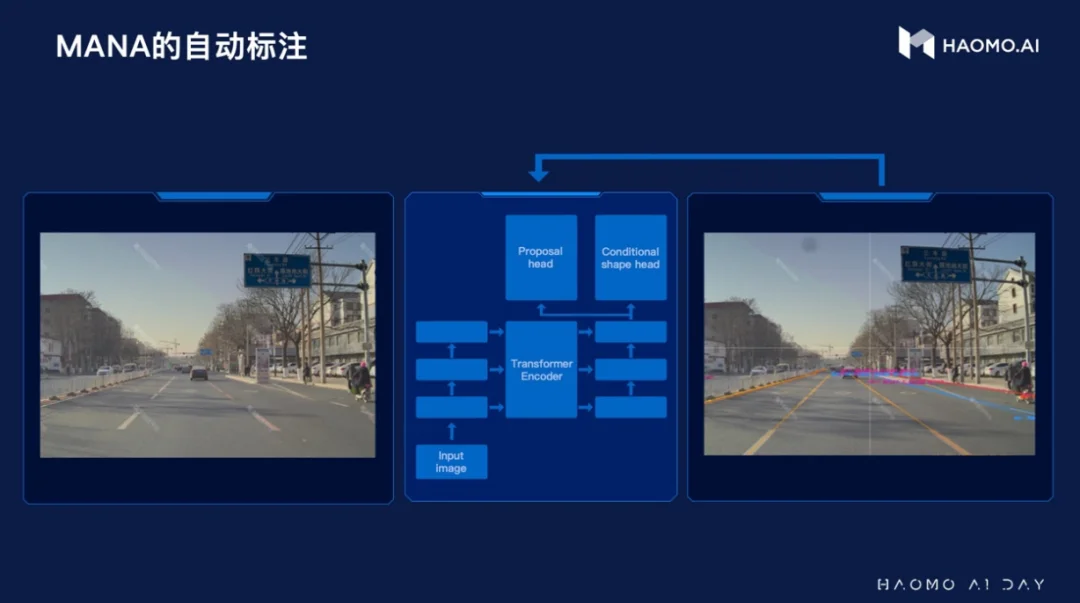
Verification also involves multiple layers, such as generalization verification for perception.
First, Haomozhixing will perform a 1:1 simulation to restore the collected footage, then alter the scene's environment, such as lighting, rain, snow, and heavy fog. Finally, it will verify perception results based on the generated images of different environments.
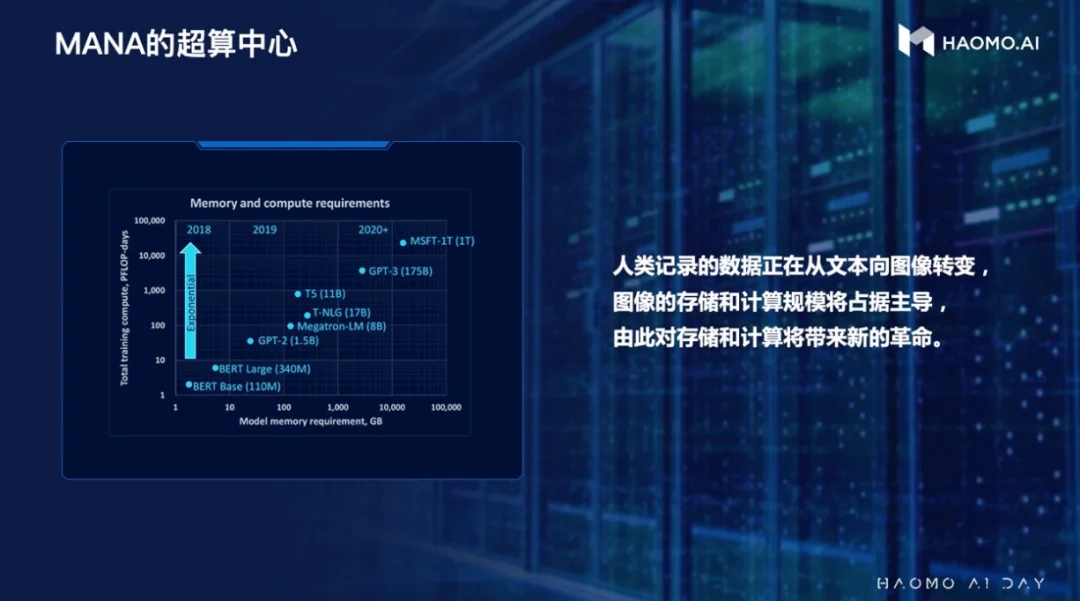
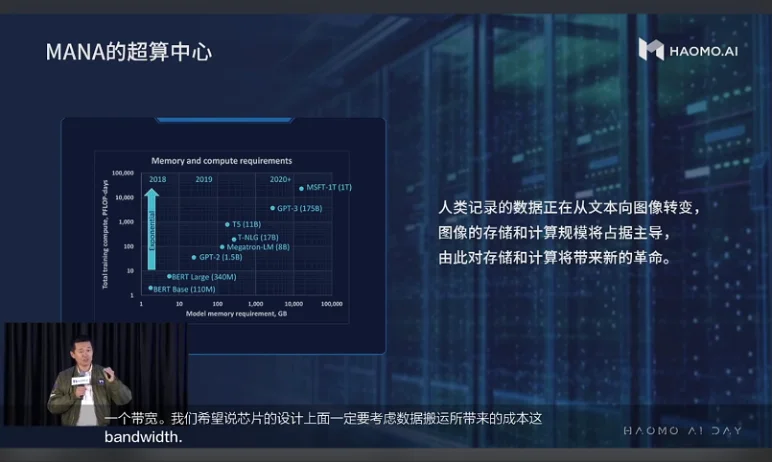
The types of data are shifting, which raises demands on computing power while also requiring higher efficiency in data storage and transfer. Consequently, Haomozhixing announced on AI DAY that it is preparing its own supercomputing center.
Additionally, at the Haomozhixing AI DAY, Haomozhixing jointly unveiled the ICU 3.0 domain controller with a global premiere featuring an 8540 + 9000 configuration. The main chip uses the 8540 + 9000 setup (8540 + 9000), delivering 360 TOPS of computing power. The safety redundancy chip uses TC397 (TC397), which can perform L1/L2 fallback control.
03Backed by GWM, Serving the Entire Industry
At the end of the article, I think it is still necessary to help everyone further understand the background and future development direction of Haomozhixing.
Haomozhixing was incubated by GWM, with its predecessor being GWM's Intelligent Driving Advanced Research Division. After spinning off as an independent company, the firm has completed multiple funding rounds totaling several billion yuan.
GWM is both Haomozhixing’s largest shareholder and its biggest customer. Thanks to GWM’s massive delivery volume, Haomozhixing’s systems have been able to scale up quickly. The Haomozhixing NOH Smart Pilot Driving System had just reached SOP (Start of Production) when it was pre-installed in multiple models including the Wey Coffee, TANK 300 City Edition, HAVAL Shenshou, WEY Latte, and Macchiato.
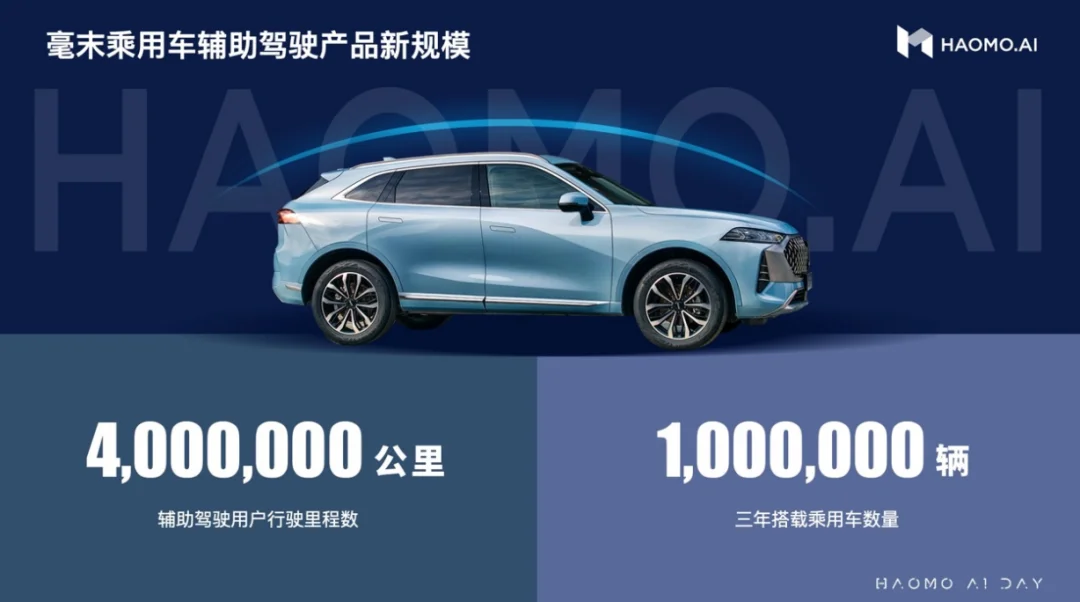
Haomozhixing's NOH (Navigation-guided Driving) is expected to be pre-installed in 34 GWM models by 2022, accounting for approximately 80% of the brand's overall launched vehicle lineup. Over the next three years, the number of GWM passenger vehicles equipped with Haomozhixing's assistance system will exceed 1 million units.
In contrast to new automotive forces, Haomozhixing leverages its backing from GWM while remaining open to the entire industry, allowing it to serve as a supplier providing other automakers with reliable, pre-installed advanced driver assistance systems. Therefore, its target of one million units is far from unrealistic, and its progress may surpass expectations.
A towering tree grows from a tiny sprout. With data-driven capabilities mastered, Haomozhixing is likely to attract more automakers into its ecosystem. Whether it can ultimately grow into that 'towering tree' remains to be seen.
Written by: Bobo Edited by: Reinhardt