


Analysis of XPENG G3i's Driver Assistance Capabilities
- This article is contributed by Da Baozili from the 42HOW Auto community, an early owner of the XPENG G3.
Last week, XPENG officially launched the mid-cycle refreshed all-new G3i. According to the information announced at launch, the G3i continues to use the XP2.5 level automated driving assistance system, remaining consistent with when the G3 was first released. Many friends who have only recently started paying attention to XPENG may not yet be familiar with XP2.5. Today, Da Baozili will review XPENG's XPilot 2.5 system with everyone together. How does this system differ from traditional L2 level supplier solutions?
01System Hardware Layout
XP2.5 entered the market alongside the XPENG G3, featuring core technologies developed in-house by XPENG, including the underlying wire-controlled systems for path planning and control, as well as features such as "Super Automatic Parking Assist".
For hardware configurations and sensor perception technologies, however, the company relies on mature Bosch systems available on the market. This represents the key distinction between XPENG’s approach and standard L2 supplier packages, a hybrid model that can be described as "semi-self-developed."
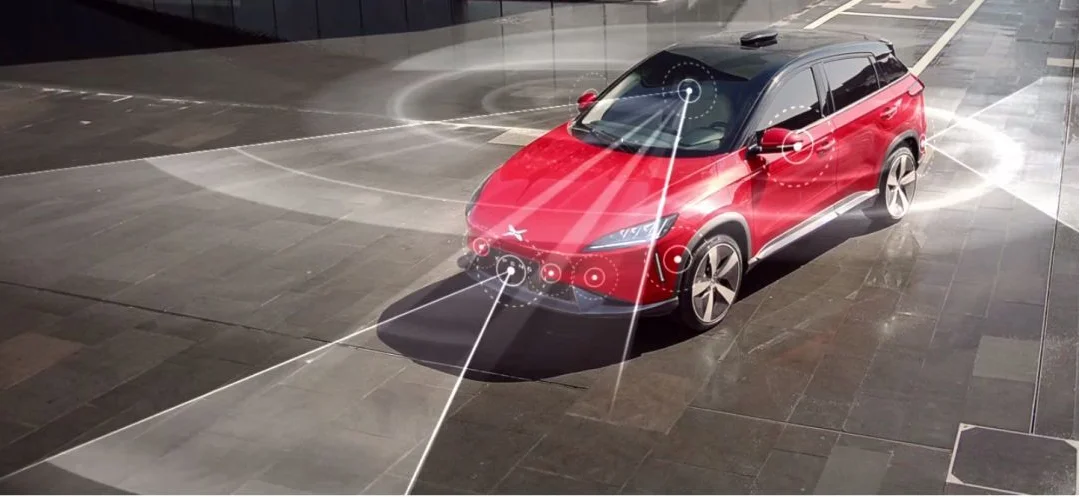
From a hardware layout perspective, the G3i is equipped with the following sensors:
One single forward-facing vision sensor
4 surround-view cameras
3 millimeter-wave radars
12 ultrasonic radars
These 20 sensors form the perception suite of the G3i. In plain terms, these devices serve as the eyes and ears of the G3i, determining what the vehicle can sense in its surroundings.
02Analysis of the Role of Hardware
Monocular Vision System
The G3's monocular vision system is suspected to use Bosch's second-generation Multi-Purpose Camera (MPC2), which consists of an optical module and a processing module.
The vision module includes a 1.3-megapixel camera and a high-dynamic-range color CMOS imager.
The processing module features an expandable processing unit. This single-chip unit integrates an FPGA processor and a dual-core microprocessor with a CAN interface.
The architecture uses the FPGA for parallel image processing, enabling the system to analyze complex driving situations in extremely short timeframes. In simple terms, this visual device combines the functions of eyes (primarily) and a brain (the processing chip).
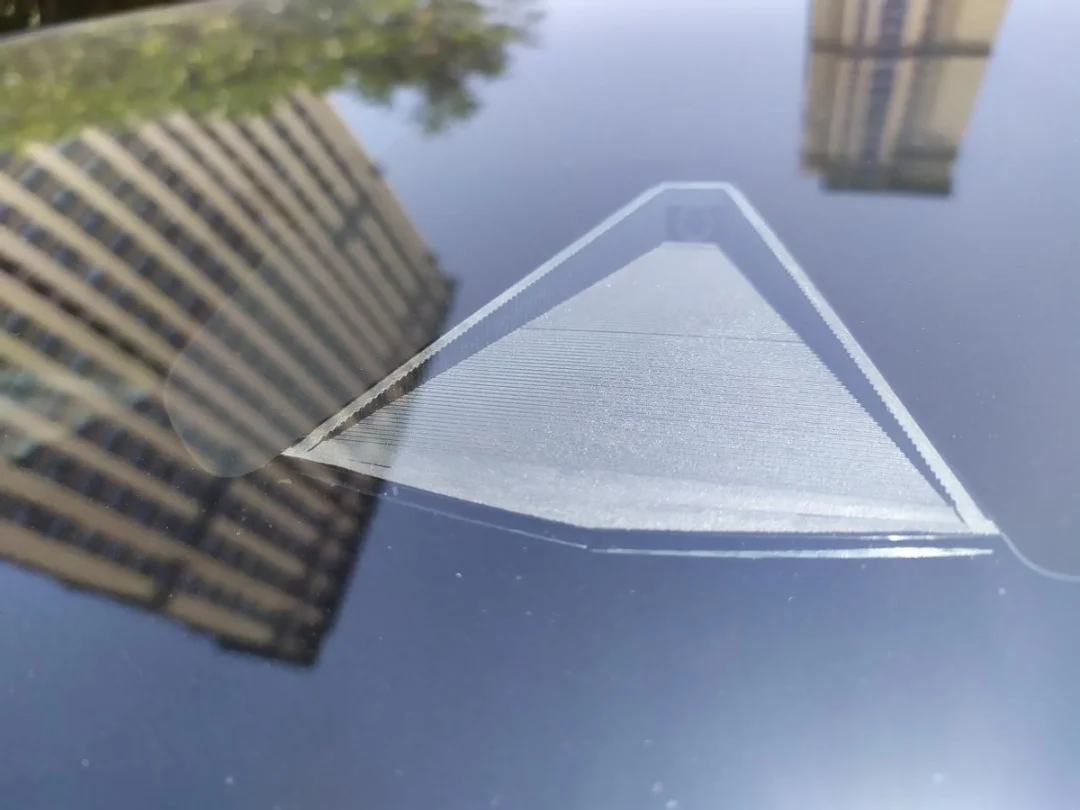
Through the visual device, the system can detect objects and lane markings within a horizontal field of view of 50 degrees and a vertical field of view of 28 degrees. It can distinguish pedestrians, cyclists, motorcyclists, passenger cars, and trucks, while determining their distance, speed, lateral position, and angle.
Detection range depends on object size. The system can detect vehicles at distances exceeding 120 meters and pedestrians at approximately 60 meters. It can simultaneously identify up to four lane markings and 16 objects.
Millimeter-Wave Radar
The forward-facing millimeter-wave radar on the G3i is suspected to use Bosch's MRR EVO14 mid-range millimeter-wave radar.
The radar features two detection angles: wide-angle and narrow-angle, with respective detection ranges of 100 meters and 160 meters.
Located on both sides of the rear of the vehicle are short-range millimeter-wave radars with a detection range of 0.36 to 80 meters, primarily for detecting obstacles at the rear and rear-side.
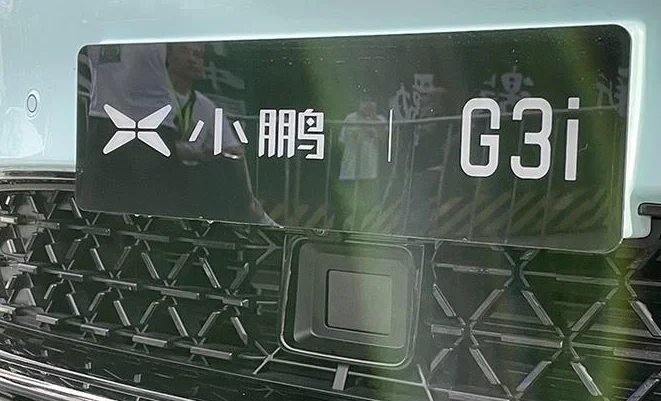
Through forward-facing millimeter-wave radar, the vehicle can detect and track objects ahead, enabling functions such as AEB (Automatic Emergency Braking), ICA (Intelligent Cruise Assist), and TJA (Traffic Jam Assist).
By using rear-facing millimeter-wave radar, the vehicle can support functions such as ALC (Automatic Lane Change), BSD (Blind Spot Detection) warning, and RCTA (Rear Cross-Traffic Alert).
Surround-view cameras
The G3i is equipped with four surround-view cameras, each with a resolution of approximately 300,000 pixels, mounted under the front and rear mirrors as well as on both sides, enabling 360-degree visual perception around the vehicle.
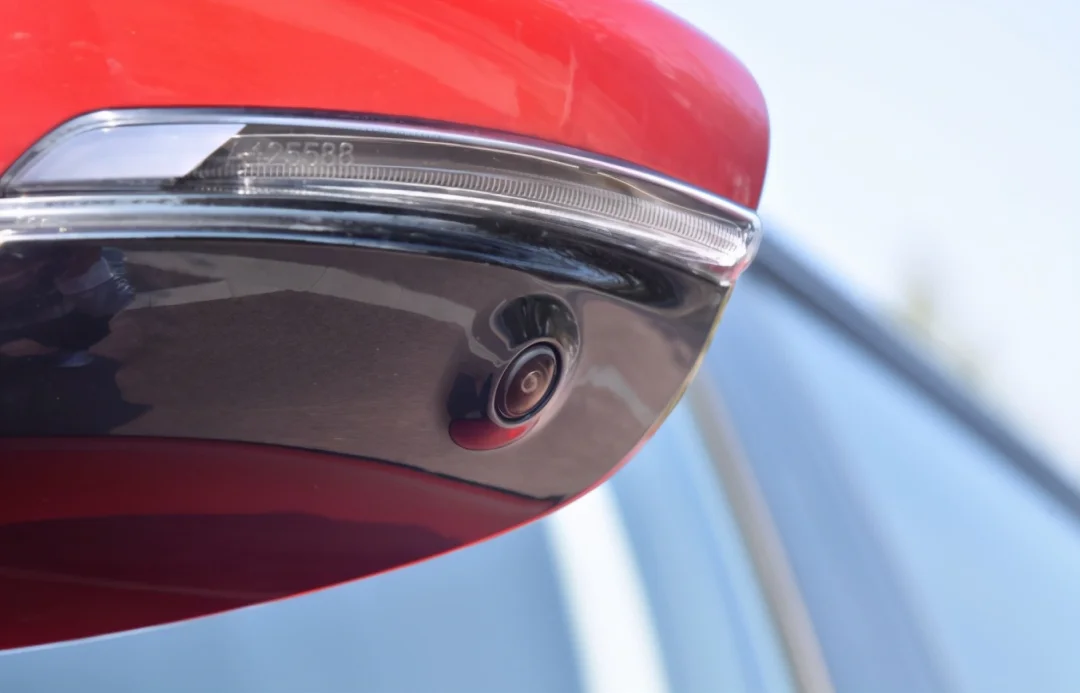
The surround-view cameras enable the G3i to generate a 360-degree panoramic image and play an integrative role in transparent chassis and vision-based parking features.
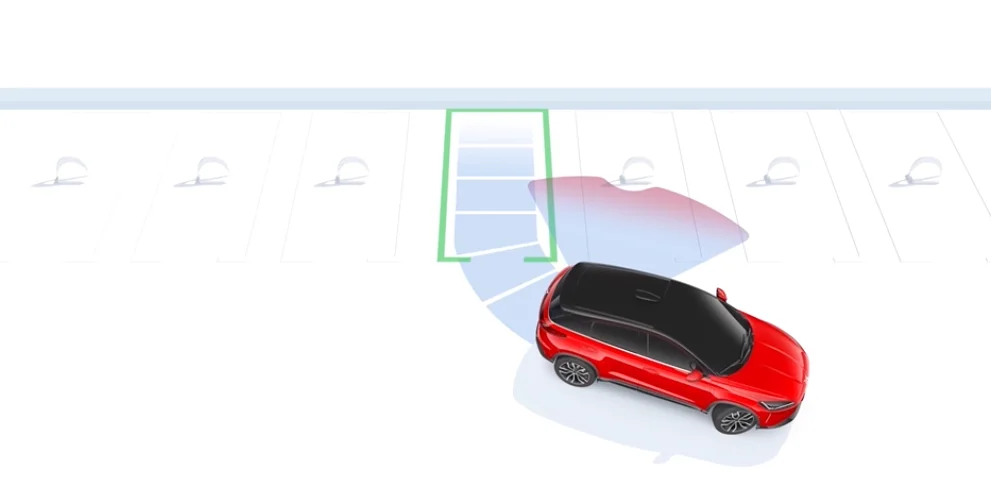
Notably, XPENG’s vision-fusion parking is the first automatic parking system in China to adopt a vision-fusion approach. It calls upon images captured by the surround-view cameras to optimize parking perception and strategy, supplementing traditional millimeter-wave radar detection.
For XPENG, the surround-view cameras also contribute to space-line recognition during automatic parking and transparent-chassis operation.
For example, side cameras on the exterior rearview mirrors assist in recognizing parking-space lines, making it easier for the vehicle to detect available spaces. Additionally, the rearview camera detects whether there are wheel stops in the parking space when reversing into a spot, ensuring the vehicle does not collide with them.
The rearview camera also checks for ground locks in the parking space; if a lock is raised, the system determines that entry is not possible.
Ultrasonic Radar
Ultrasonic radar has been widely used in the market for a long time, with the earliest reverse radars relying on this technology.
It calculates the distance and general outline of obstacles through signal reflection, but its range is short—only 3 to 5 meters—and it is generally used as a reverse radar and for peripheral perception when navigating narrow spaces.
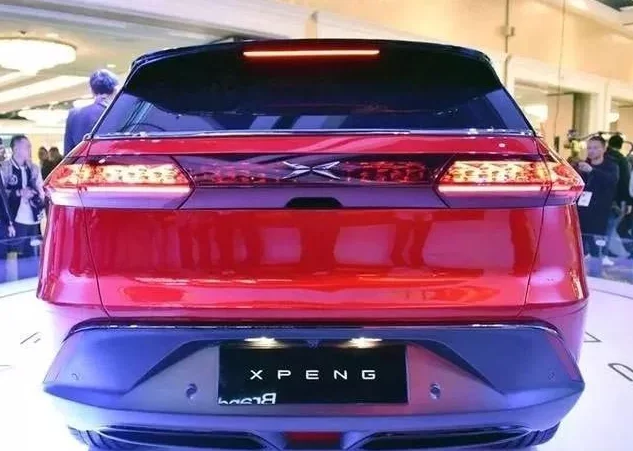
The G3i’s ultrasonic radar layout consists of four units at the front, four at the rear, and two on each side, creating a ring-shaped perception field that excludes the area directly beside the side doors.
03Feature Overview
It is important to emphasize here that when comparing features across different brands, one must consider not only whether a feature exists but also its quality. It is incorrect to assume identical experiences simply because configuration sheets show that both vehicles possess the same feature.
ACC (Adaptive Cruise Control)
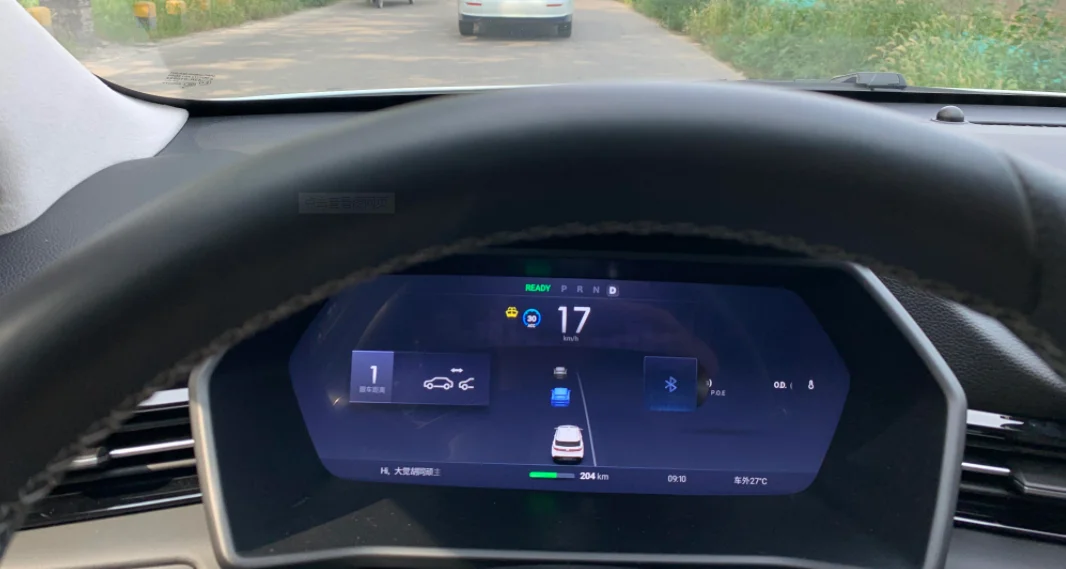
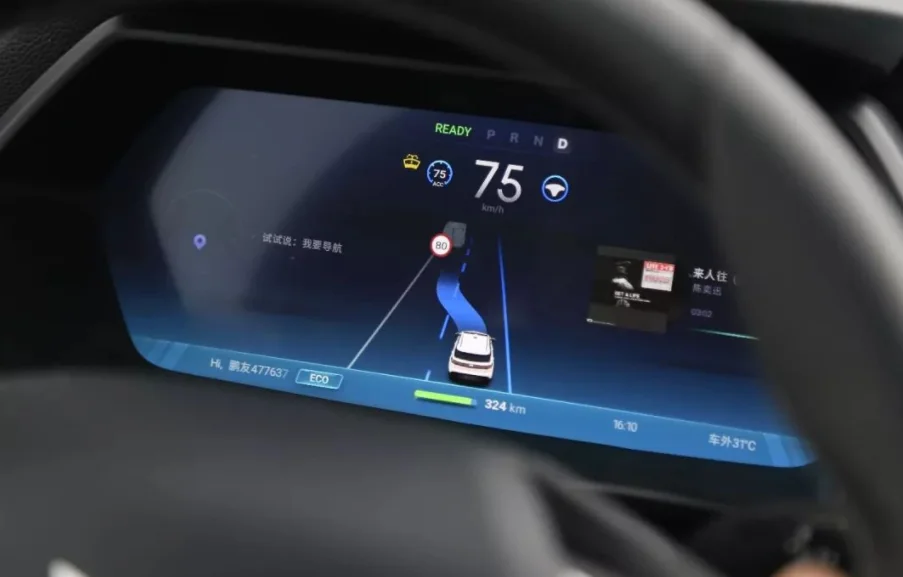
The G3i’s ACC includes stop-and-go functionality for full-speed range operation. It maintains a set speed while adjusting to the vehicle ahead, offers five adjustable following distances, and remembers the selected distance setting so it does not revert to the default upon restarting ACC.
Additionally, it features an extended automatic resume function: if the vehicle stops for less than 90 seconds under ACC, it will automatically follow the lead vehicle once that vehicle begins moving again.
LCC: Lane Centering Control
The G3i’s LCC provides lane centering, not lane departure warning or avoidance.
The distinction is that LCC keeps the vehicle steadily centered in the lane, whereas a lane departure assistance system only applies slight steering torque when the car nears the lane markings. The latter approach often causes the vehicle to weave within the lane.
The G3i demonstrates strong cornering stability. As of now, no mass-produced vehicle under RMB 200,000 appears to match its cornering performance. However, under high-curvature conditions such as highway on-ramps and off-ramps, hardware limitations prevent the G3i from maintaining precise lane centering.
ALC: Automated Lane Change
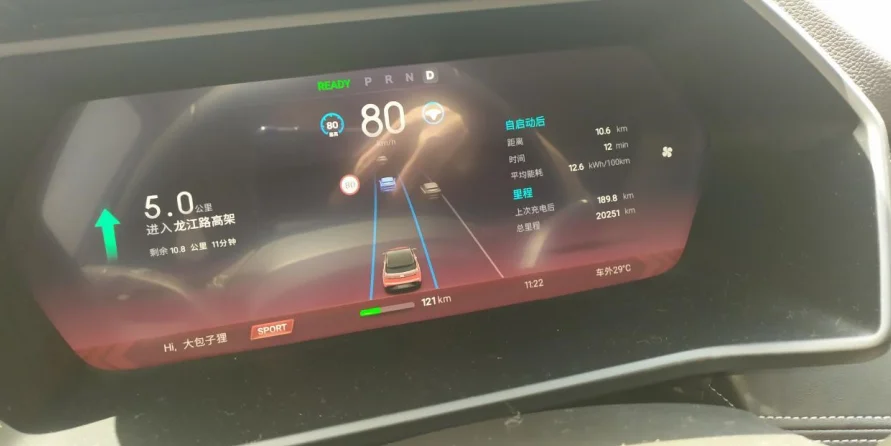
The reason G3i calls itself an L2.5-level system is that the extra 0.5 level mainly refers to this lane-change-when-signaling feature.
Even today, few mass-produced vehicles under RMB 200,000 offer this capability.
The greatest significance of this feature is that when the vehicle activates LCC, it enables lane changes via turn signals to overtake slower vehicles ahead, avoiding the awkwardness of frequently exiting the driver assistance system.
Automatic Parking
If G3i claims to be second in automatic parking, it is likely that no other car dares to claim first place.
Yes, the G3 is that proud, especially in the sub-RMB 200,000 segment. It achieves vision-based fusion parking, supporting lateral, longitudinal, and diagonal parking spaces, with or without parking space markings, and offers fully automatic parking from outside the vehicle. I feel like only the G3 can do this.
Seatbelt Pretensioner
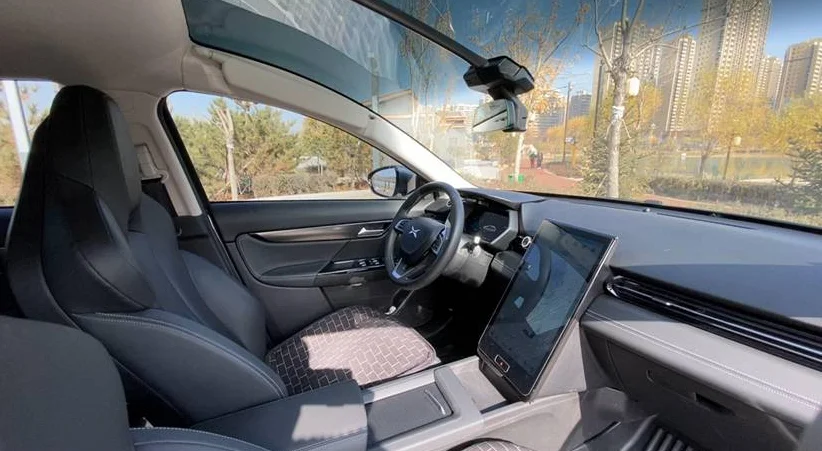
This feature is very useful, so I want to highlight it here. When the G3i is traveling at a relatively high speed and approaches a lane line without a turn signal activated, the driver’s seatbelt will tighten twice quickly to alert you, accompanied by audible and visual warnings.
If the forward distance becomes too tight and a collision is imminent, the seatbelt will tighten forcefully to secure you in the seat, minimizing the impact as much as possible. Every time you get in the car and fasten your seatbelt, it automatically retracts to the most suitable position for you, providing a snug and comfortable fit.
Other Features
The G3i also includes features such as AEB (Autonomous Emergency Braking) and cornering assist. In my experience, these functions are similar to those found on most other vehicles with comparable configurations, so I won't elaborate further.
04Understanding the Relationship Between XP2.5 and XP 3.0
Many people ask why the new G3i cannot be equipped with XP 3.0. This is related to the vehicle's overall architecture.
The Bosch vision system and its processing chip from 2017 simply cannot meet the data processing requirements of XP 3.0. Furthermore, while the G3i relies primarily on CAN bus for body communication, XP 3.0 has upgraded entirely to Ethernet.
Additionally, the millimeter-wave radar and camera clarity have been comprehensively upgraded. To upgrade the G3i to XP 3.0 would require almost a complete teardown and rebuild of the vehicle, significantly reducing parts commonality and increasing costs. The price would likely approach or even exceed that of the P5.
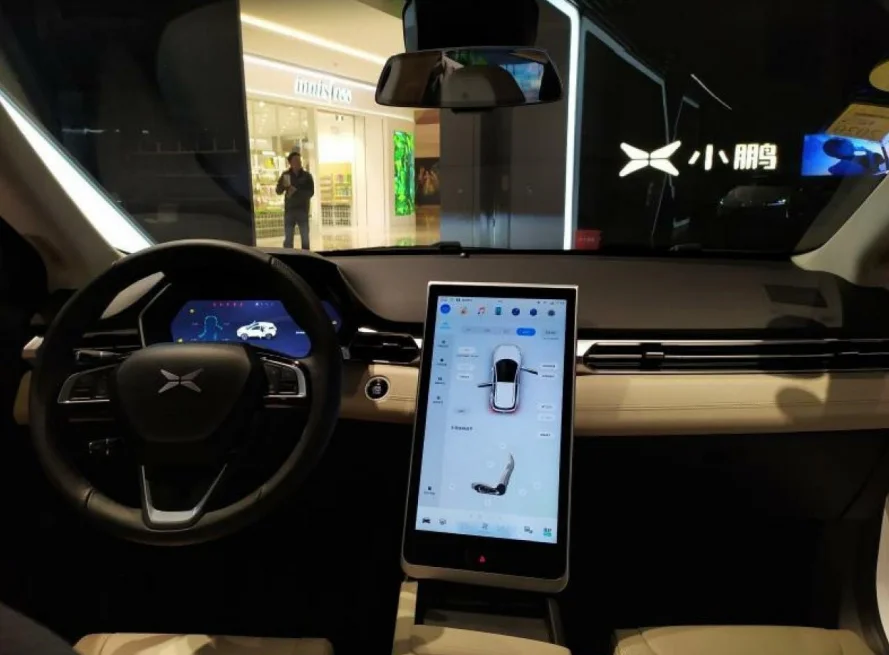
In fact, Level 2.5 driver assistance is more than sufficient for users encountering automated driving aids for the first time. The differences are not significant in daily use, except on highways where it lacks automatic lane-changing and curve-holding capabilities.
In simple terms, 2.5 addresses whether the system is sufficient, 3.0 addresses whether it is enjoyable to drive, and 3.5 addresses whether it is leading-edge.
The G3i, positioned as young people's first smart car, takes price affordability into consideration and controls the main model price to around 160,000 yuan, which is more suitable for market realities.
Moreover, the XP 2.5 system has undergone two years of iterative updates and is now a highly stable and complete system. According to unconfirmed reports, XPENG may switch its self-developed algorithms to XP 2.5, which will provide some degree of optimized experience. This represents XPENG's greatest advantage in intelligent driving.
05Competitor Analysis
At this price point, I feel the main competitors for the G3i are likely the Leapmotor C11 and Nezha U Pro. Let's briefly analyze them:
Leapmotor's parameter advantages are significant: the entire lineup comes standard with 28 high-precision intelligent perception hardware units and is equipped with two fully self-developed intelligent driving chips, Lingxin 01, delivering computing power of 8.4 Tops.
From a hardware perspective, Leapmotor’s configuration nearly crushes the G3i, but there are several points worth noting. First, looking at past performance, Leapmotor’s first two models, the S01 and T03, both featured autonomous driving assistance hardware, yet their actual performance has been underwhelming.
The 2019 S01 was touted as aiming for “Tesla-level” capabilities, but to date it still lacks lane centering, offering only lane departure correction. Three years have passed since then.
Thus, simply stacking hardware does not guarantee a better functional experience. Although Leapmotor is backed by Dahua Technology, concerns remain regarding its scarcity of automotive software talent and sluggish development pace.
Neta’s specifications are less eye-catching than Leapmotor’s, but its lower-trim models are priced aggressively. A mid-size SUV under RMB 100,000 offers distinct advantages.
However, Neta faces similar issues to Leapmotor: its accumulation in intelligence and autonomous driving assistance relies heavily on suppliers. This is evident in its infrequent and simplistic OTA updates.
With 360 recently investing in Neta, its future direction may shift significantly. I anticipate that Neta will “redefine” smart features.
Therefore, the core issue with these two competitors lies in their ability to deliver on autonomous driving assistance promises. In this era of software-defined vehicles, one resembles a futures contract while the other is spot delivery.
Overall, my recommendation is this: if you are not particularly interested in smart features, the C11 is worth waiting for; looking at the vehicle alone, it offers genuine value. If you are more interested in intelligent capabilities, the G3i deserves a thorough test drive—true intelligence will meet expectations.
By Da Baozili Edited by Lu San