Author: Chang Yan
Let’s not go too far back, just two years ago, opening the “Electric Black ETC Bible,” we could see the classic three soul-touching questions:
-
When will electric cars and supercars be fully electric?
-
When will the G-Class be fully electric?
-
When will Rolls-Royce be fully electric?
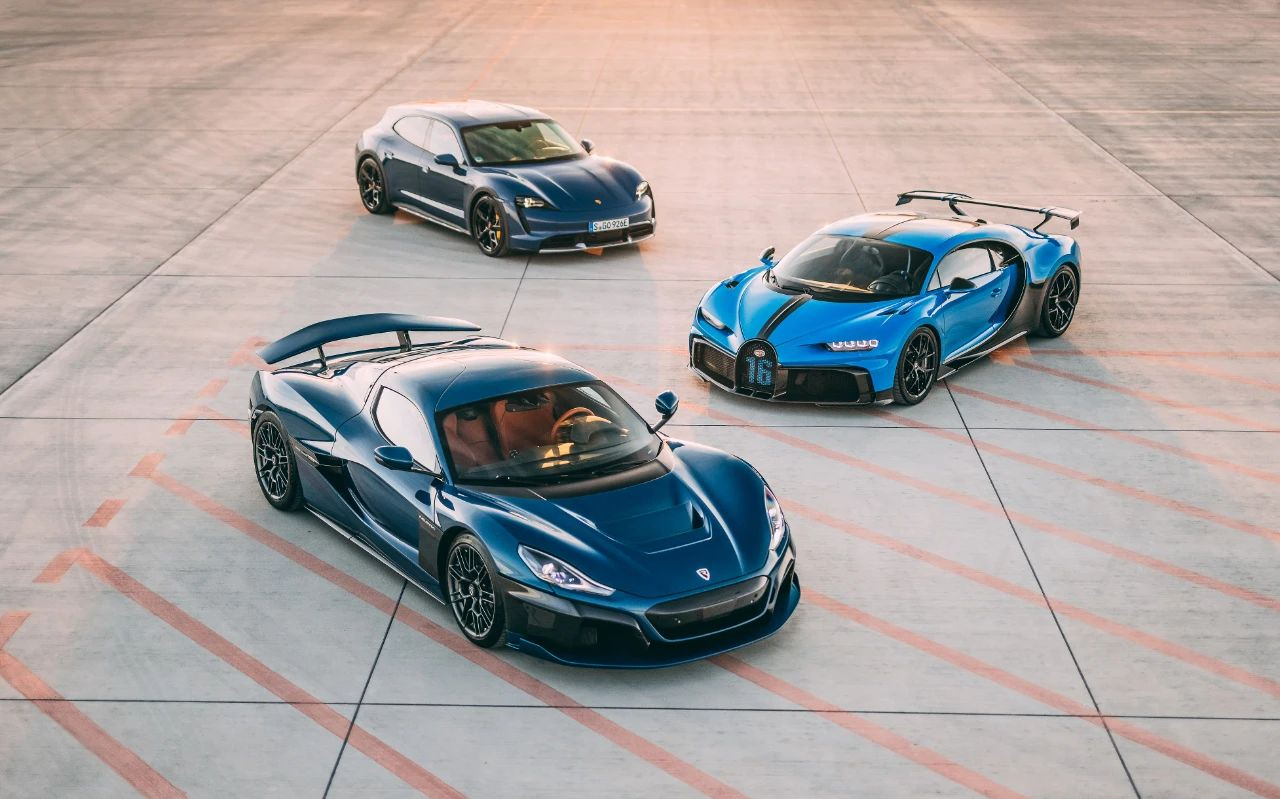
Now in 2021, Bugatti is acquired by Rimac, and EQG will be released in Munich car show in a month. The only question left is when will Rolls-Royce join the electric trend.
And here it is.
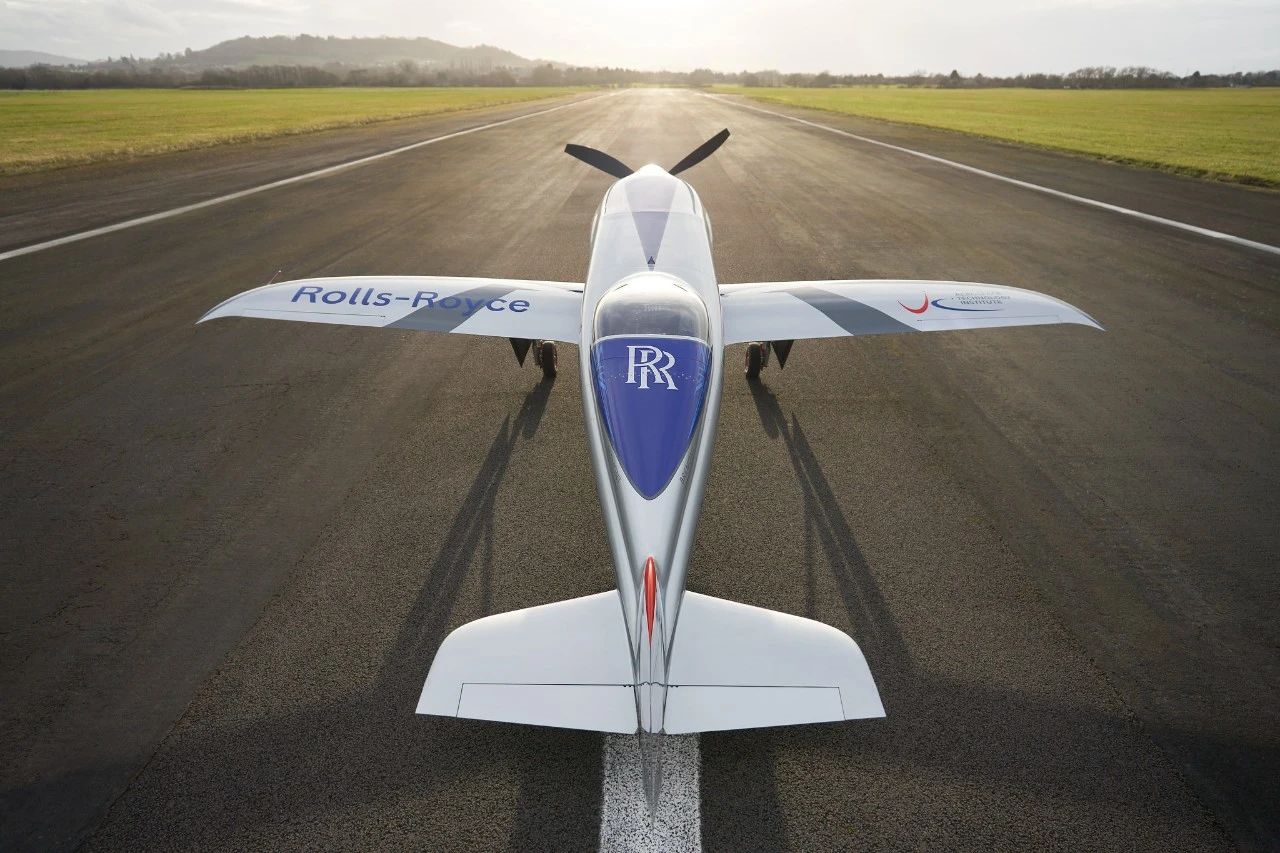
And it comes in a high-end way, first, it crushes the competitors in form: We make electric planes. Secondly, it beats its opponents in benchmarks: it breaks the world speed record.
Of course, it needs to be emphasized that this RR is not that RR. In 1973, limited by the economic situation at that time, the Rolls-Royce automobile business was split into an independent company and after several transfers, it was returned to the BMW Group in the early 21st century. The main body of Rolls-Royce Holdings, which focuses on heavy industry technology such as civil aviation and aerospace, defense, and nuclear power, still focuses on its core business.
In 2018, at the Farnborough Airshow, Rolls-Royce Holdings announced that it would achieve carbon neutrality in emissions by 2050 and begin to accelerate the application of low-carbon flight technology on aircraft from 2030. At the same time, they launched the ambitious ACCEL project. ACCEL is the abbreviation for “Accelerating the Electrification of Flight”, and the first small goal is to build the world’s fastest fully electric airplane.
Breaking a world record is not an easy task, and Rolls-Royce Holdings brought two brothers to help: YASA, an expert in electric motors and electronic control, and Electroflight, a startup specializing in electric aircraft. This project also received funding support from the UK Aerospace Technology Institute (ATI) and the Department for Business, Energy and Industrial Strategy.
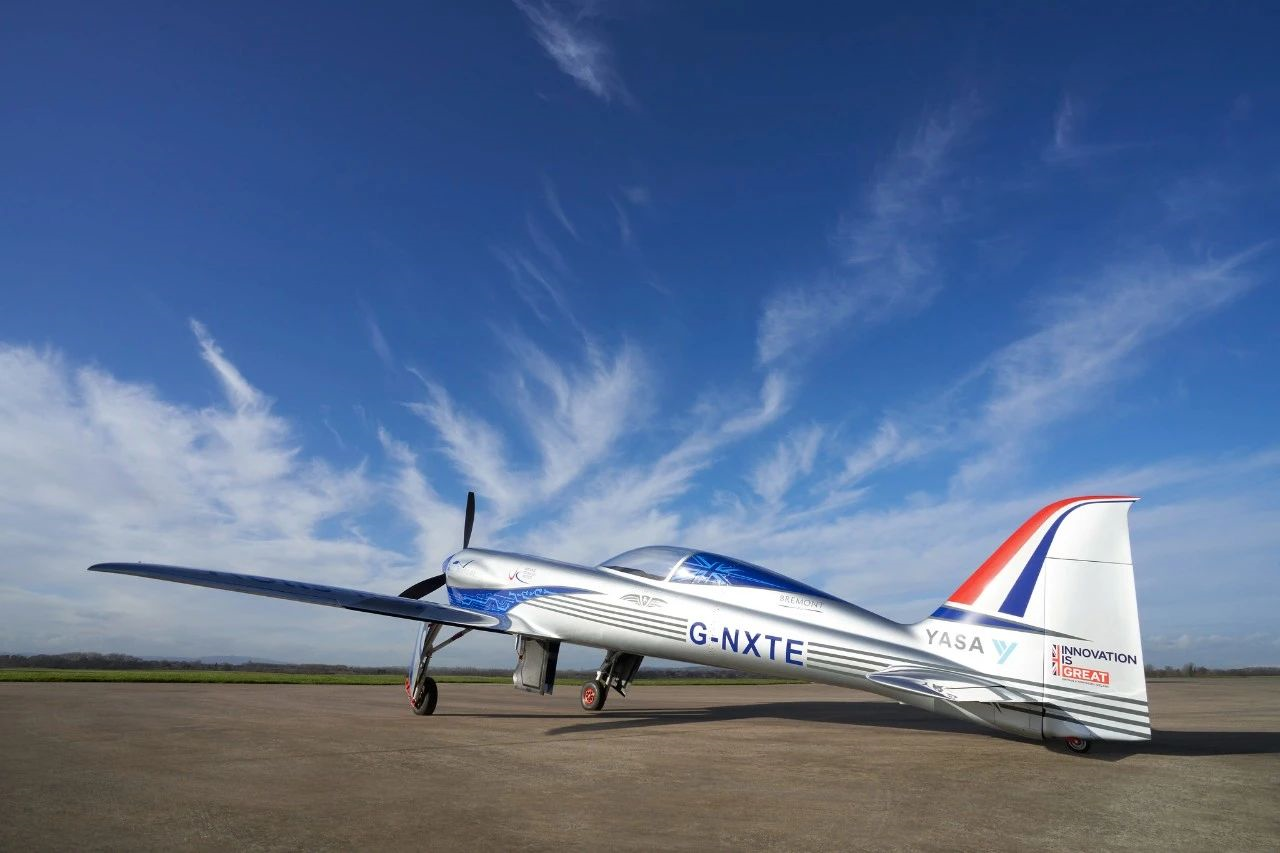
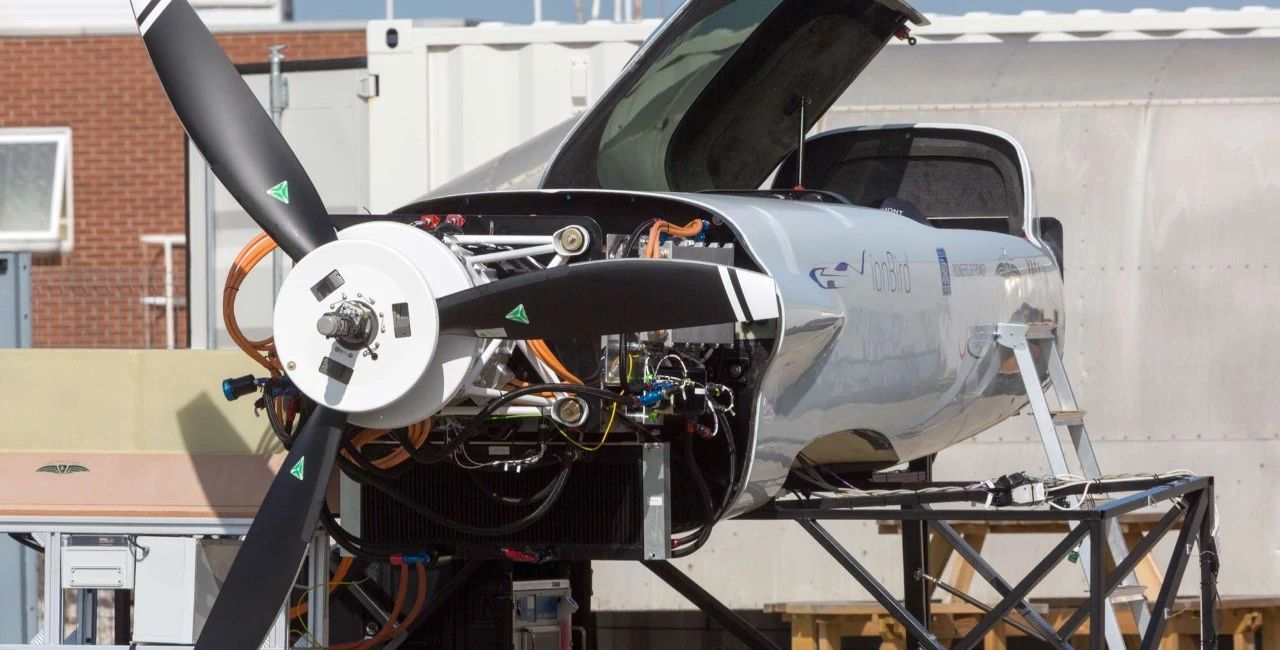
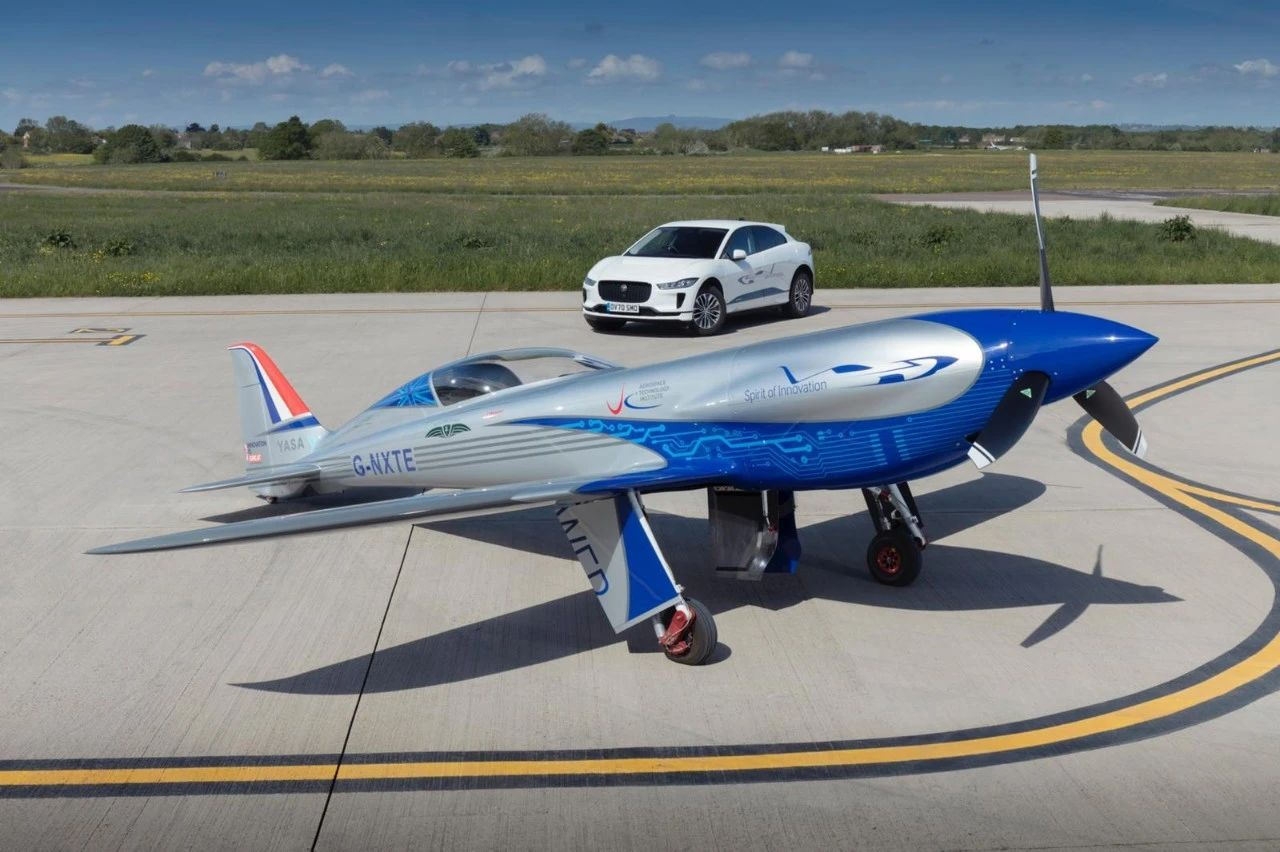
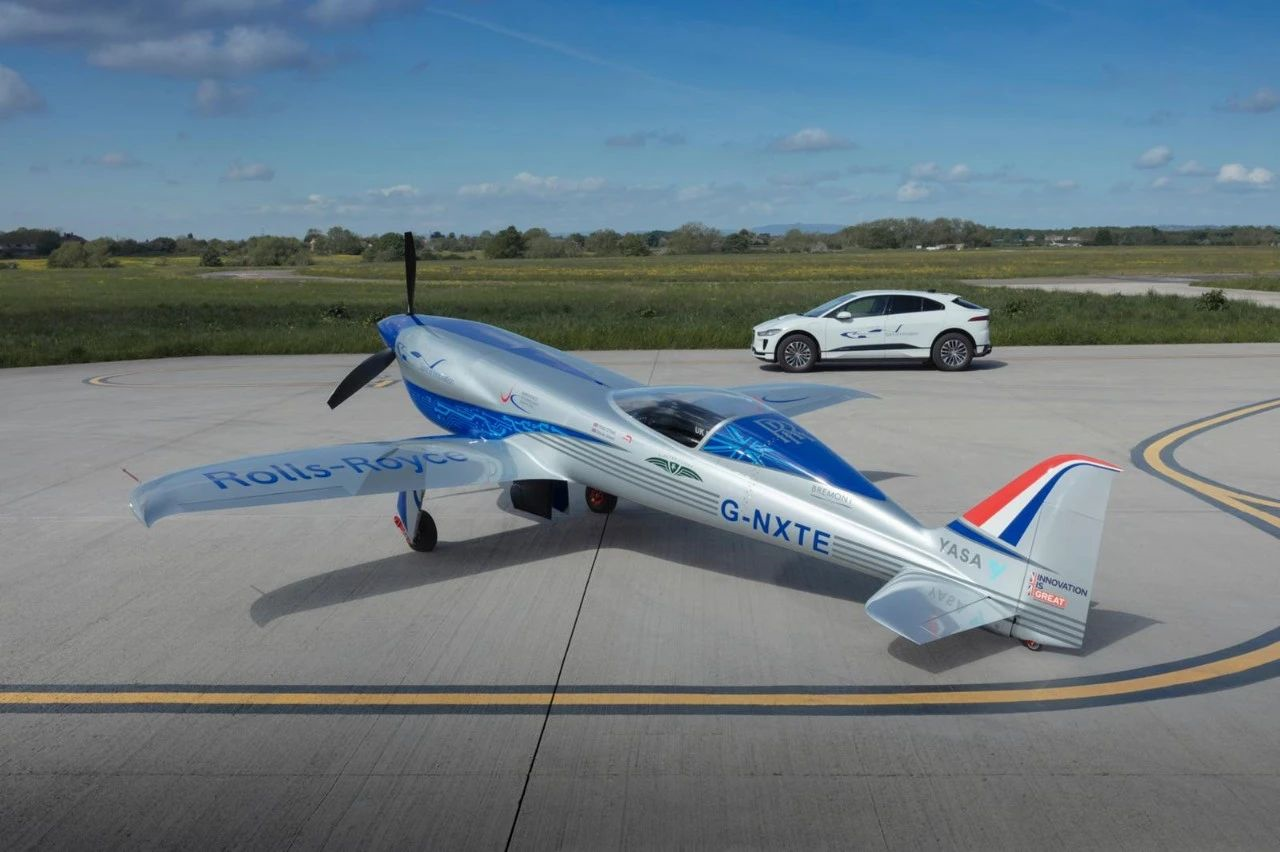
Soon, the airplane was named “Spirit of Innovation”.Electric planes should have the appearance of electric planes. Although the development process follows the entire cycle of traditional planes, both in form and key technologies, it must be more in line with the requirements of electric drive. For example, before taking off in the plane, the entire power system will be validated on the ground. This system is affectionately called the Iron Bird, and in the innovative spirit of the R&D process, it has a new name: Ion Bird.
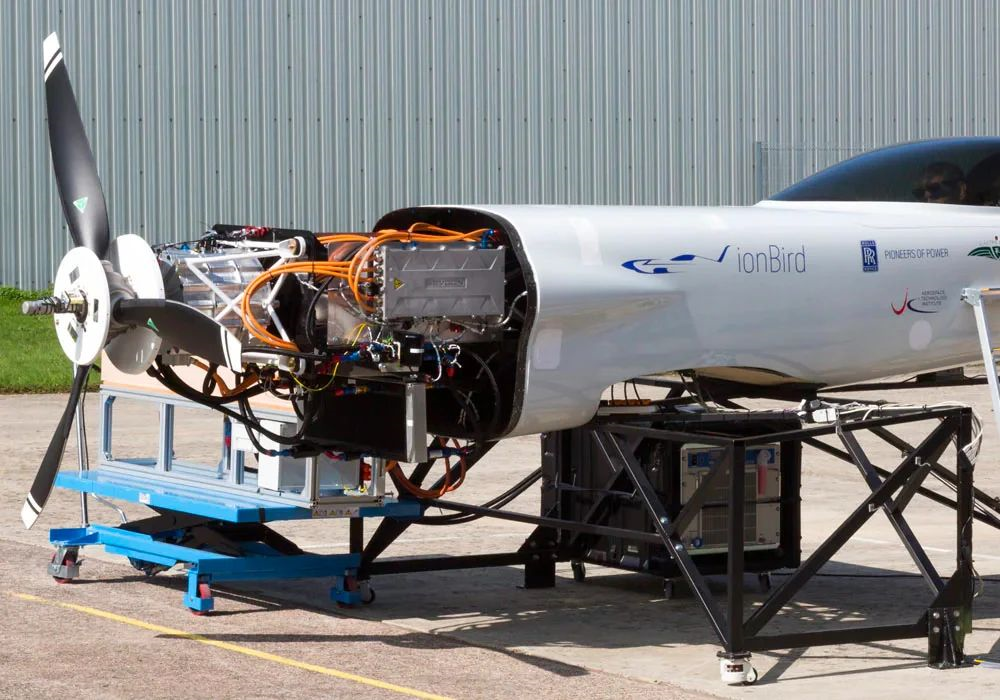
In terms of technology, the innovative spirit’s propeller is driven by three axial electric motors. Compared with traditional planes, its propeller speed is much lower to provide a more stable and quieter flight experience. Even when reaching the limit state, the efficiency of the entire power system can reach 90%. In comparison, the energy efficiency of an F1 car is close to 50% under normal conditions.
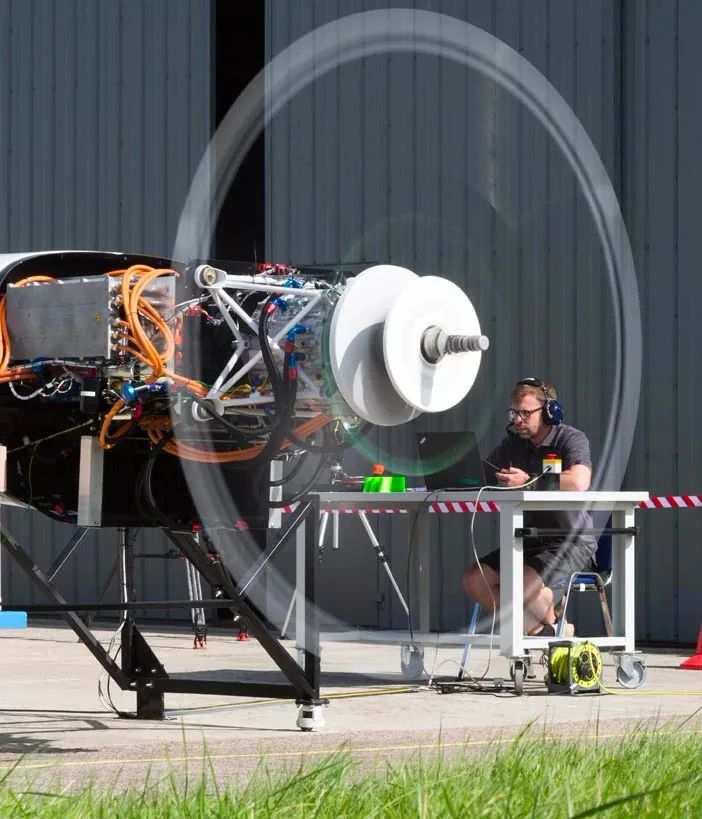
In January of this year, engineers and test pilots completed the construction of the entire power system and began to develop optimized flight operating procedures.
It was quickly discovered that due to the use of all-electric transmission control and the addition of a large number of new sensors, the test plane would produce a dataset of several gigabytes after running for one hour, which has great reference value for the development of other products.
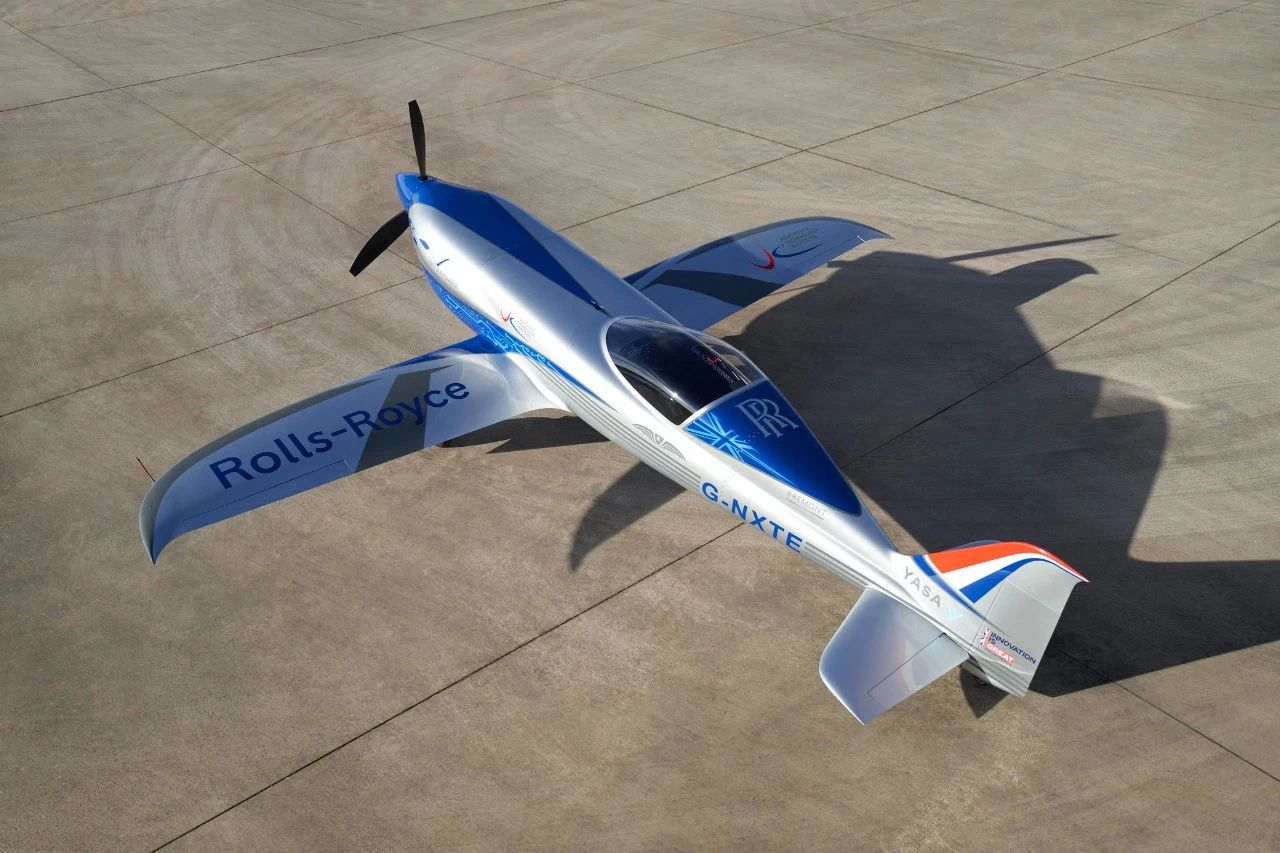
On March 1st, Innovation Spirit completed ground taxi tests. This was the first time this plane had used its own power to test on the runway, and was considered an important step before the flight test.
In July, the plane finally completed the final tuning and styling, and is ready for its maiden flight.
As long as this plane can reach a speed of 300 mph, which is 480 km/h, it can create a new world record for electric planes.
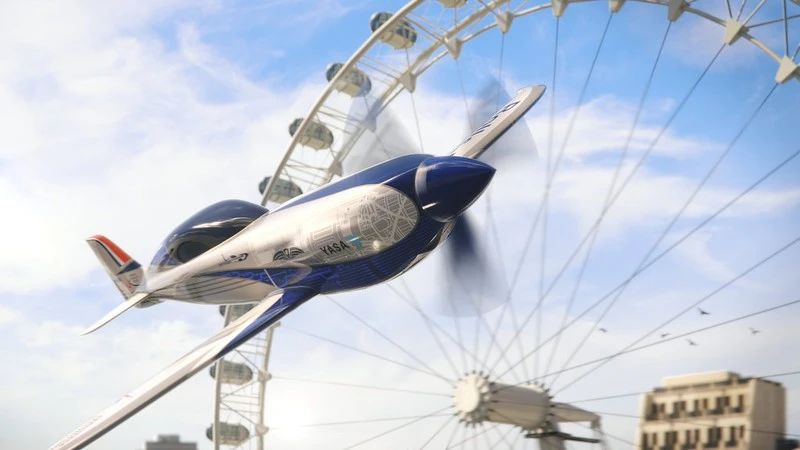
Now, we can finally take a complete look at the power indicators of this plane.
The maximum power of the whole machine is 400 kW, equivalent to 500 horsepower, which can make the propeller reach a maximum power output of 2400 rpm.
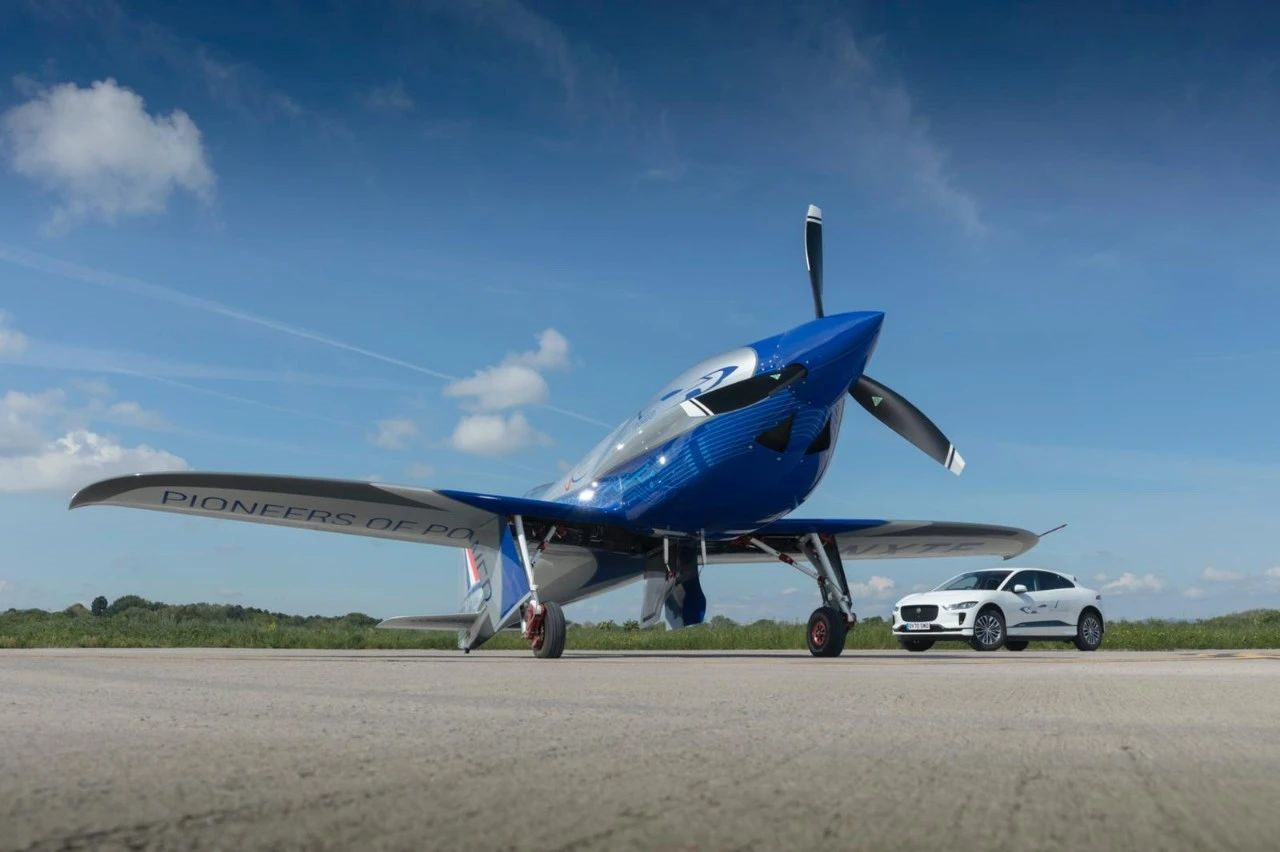 Behind this is the “highest power density battery pack ever assembled for an aircraft,” although the official technical parameters have not been provided. From the information that can be found, the entire battery pack has over 6,000 cells and achieves “the highest level of safety, minimum weight, and comprehensive thermal protection.”
The battery capacity has not been publicly disclosed either, but the company used an imaginative description: “One charge can provide enough fuel for 250 households or fly from London to Paris.”
This meaningful/interesting achievement shouldn’t be left to just one company. During the buildup phase, Rolls-Royce Holdings also went to great lengths to show off.
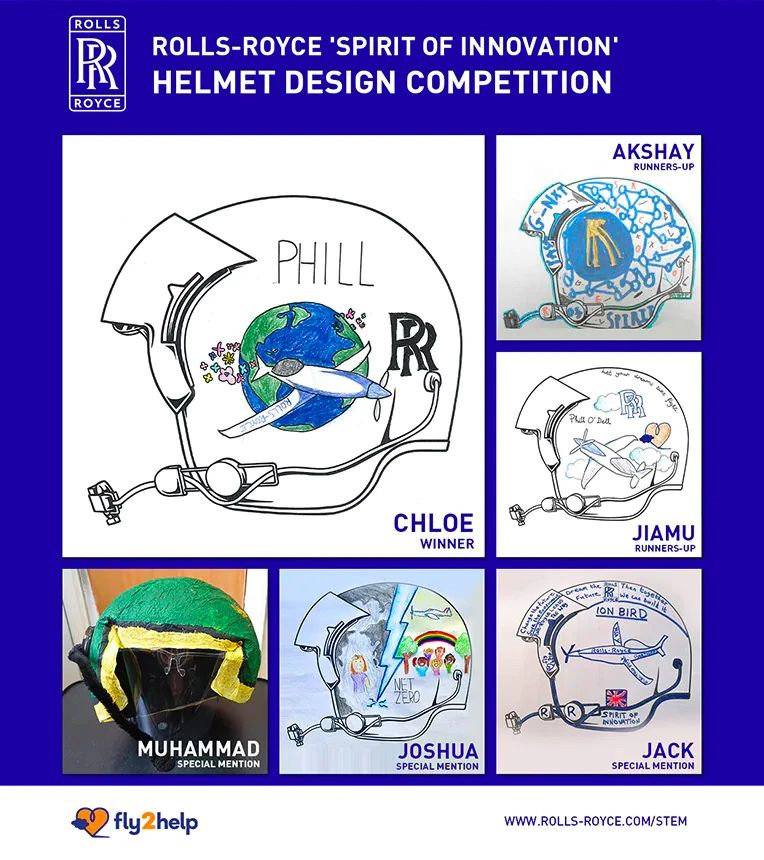
First, they organized a children’s airplane helmet design competition, and the chosen designs will participate in the record-breaking flight. Naturally, this will greatly enhance children’s understanding of aviation and electrification.
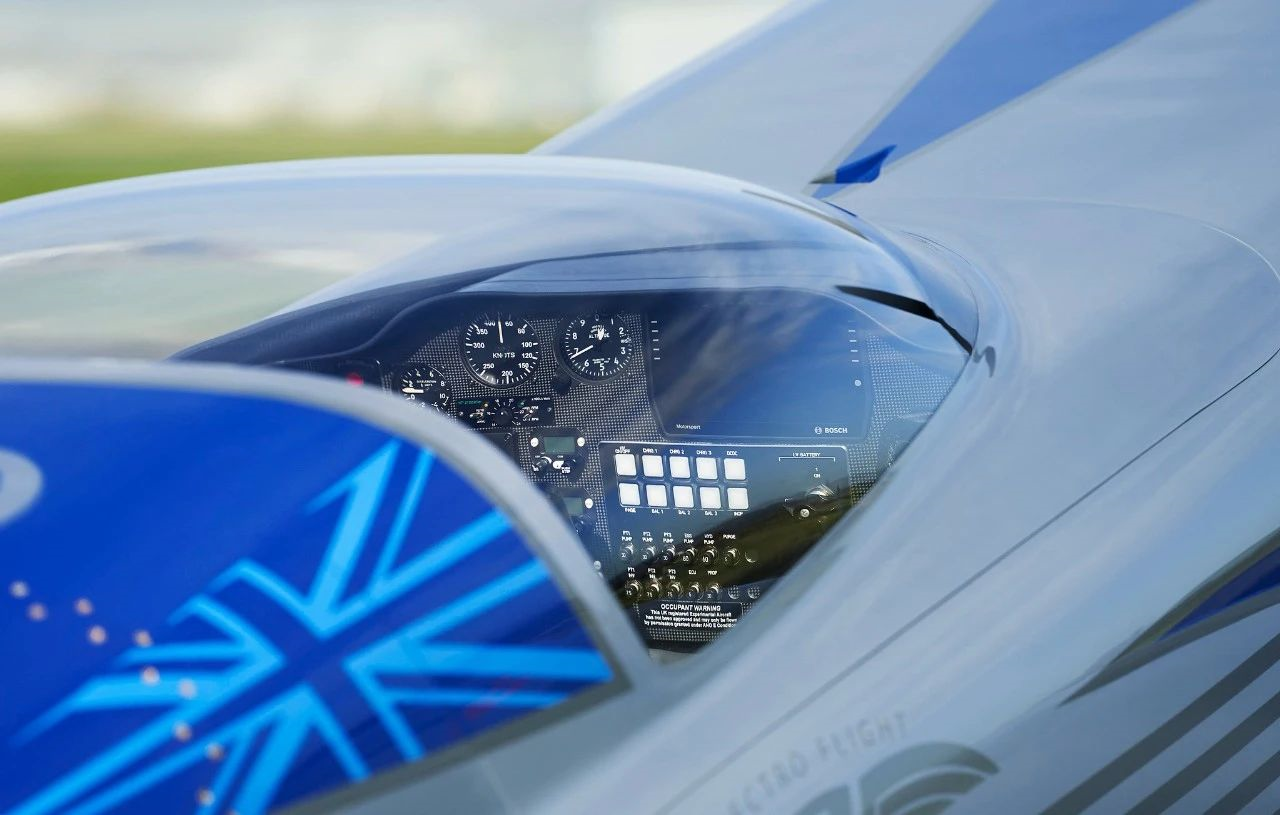
Then, they didn’t forget the traditional British custom and partnered with a traditional watchmaker: “Bremont will become the official timing partner for the all-electric speed record attempt.” This domestic luxury watch manufacturer will design a special stopwatch for this purpose. But why use a mechanical watch for an electric airplane’s acceleration…?
Finally, an automaker made an appearance.
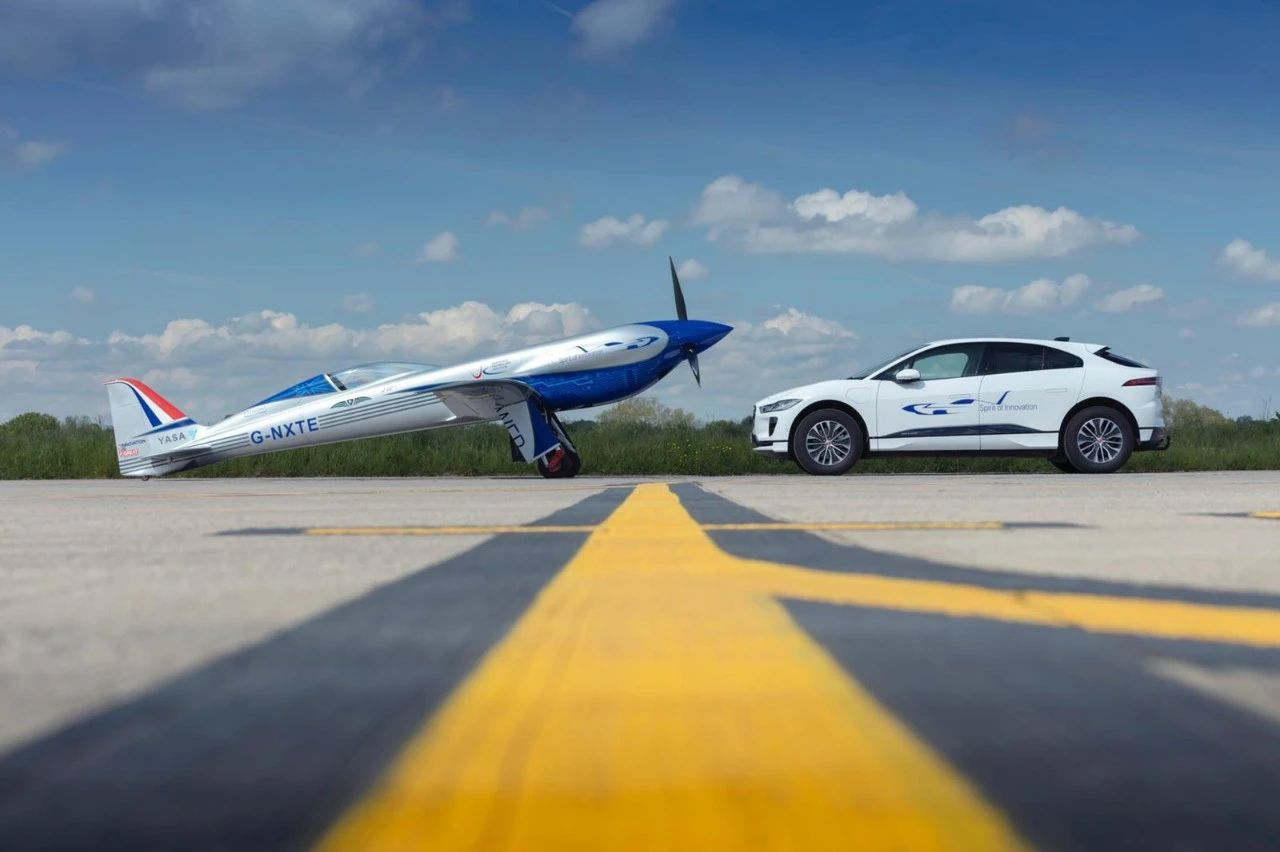
It’s none other than the British brand, Jaguar.
Jaguar will provide I-PACE as the support and tow vehicle for the challenge.
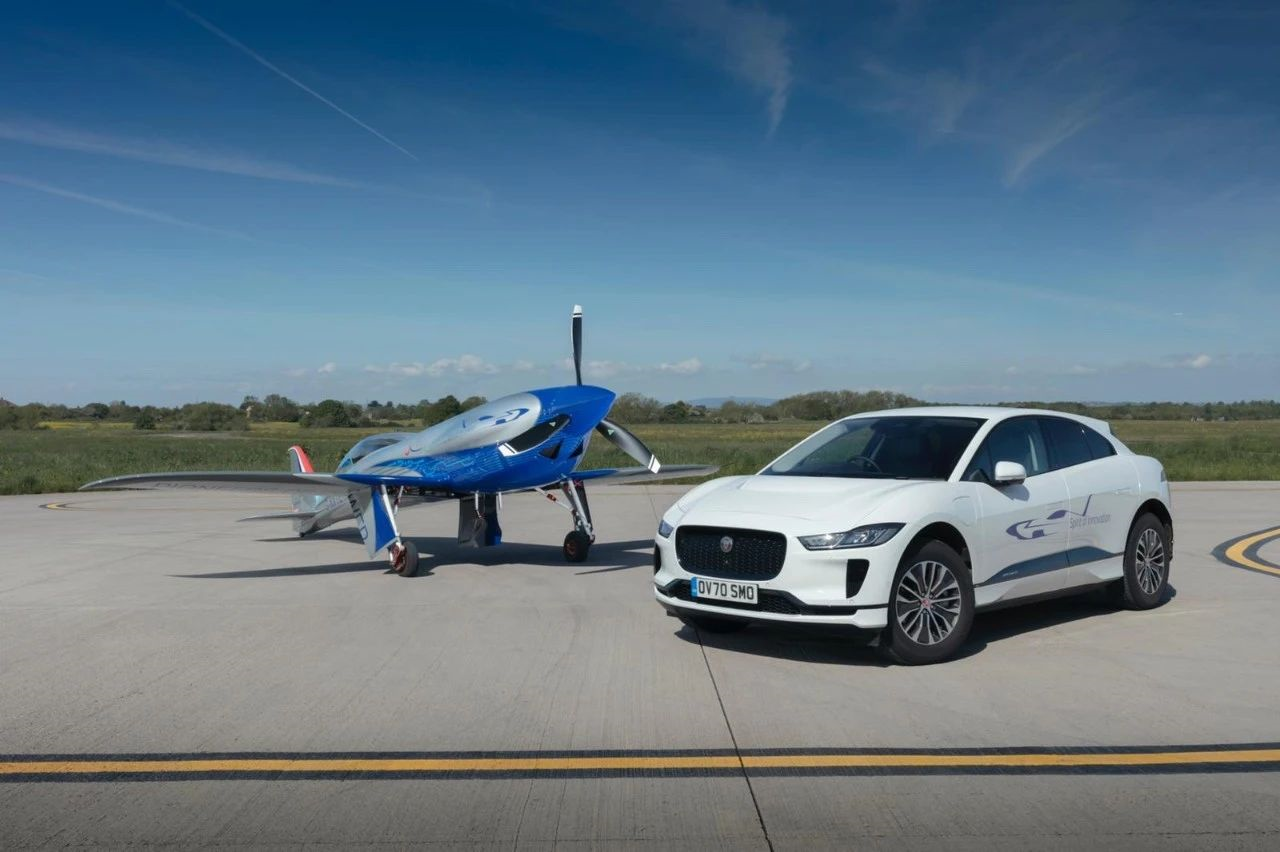
For Jaguar, this is a rare opportunity to promote the I-PACE, as the brand is working hard to transition to pure electric and hasn’t yet produced many convincing results.
In the news, there are two interesting points about Jaguar.
First, the I-PACE’s WLTP range is about 292 miles, which is similar to the Rolls-Royce electric plane’s range…
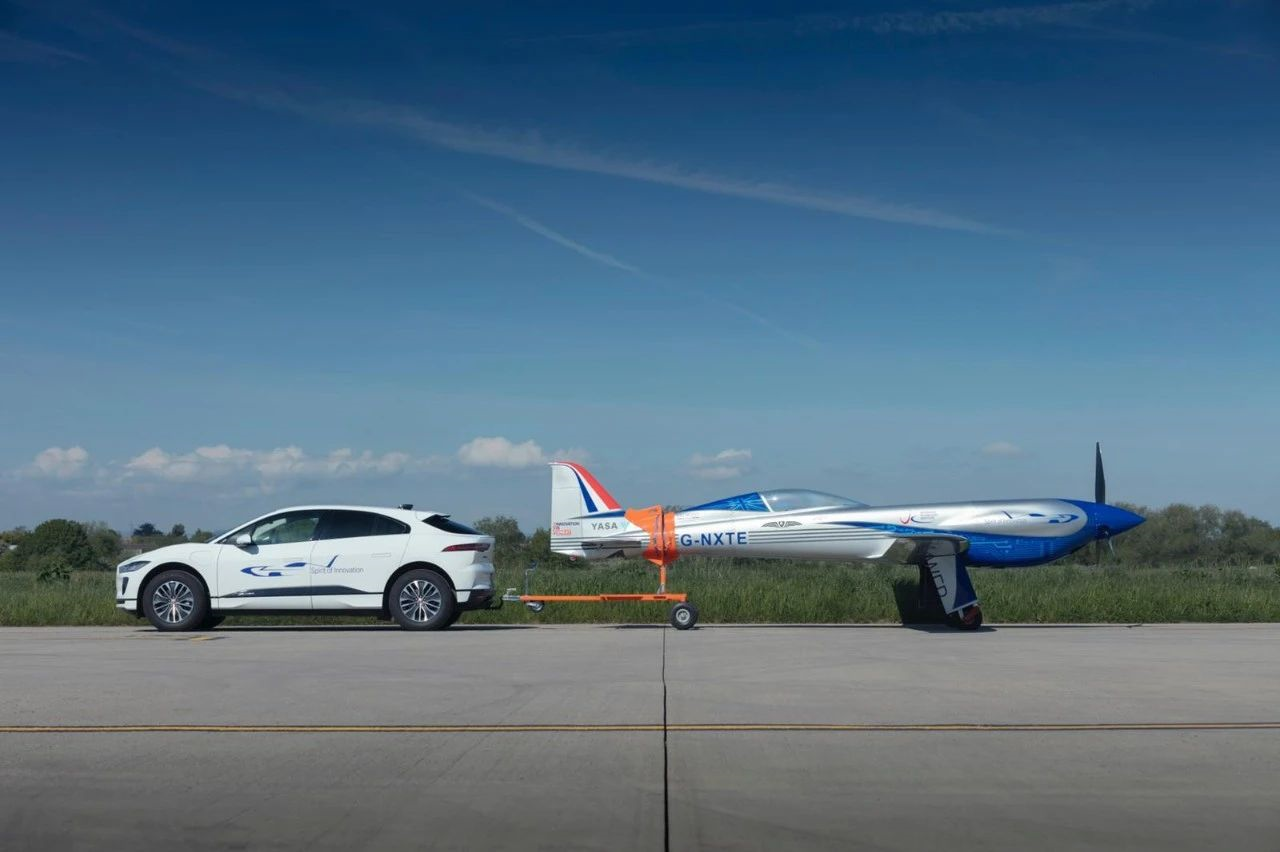 Here is the translated English Markdown text, with HTML tags preserved:
Regarding the I-PACE, Rawdon Glover, the Managing Director of Jaguar Land Rover UK, stated: “The I-PACE is a true pioneer; when it was launched in 2018, it was the world’s first luxury all-electric SUV.” One can only wonder what the feelings are towards the Model X, which started shipping in 2016.

Mark Scully, the Head of Advanced Systems and Propulsion Technology for the Aerospace Technology Institute, said: “The significance of achieving this milestone should not be underestimated. The ACCEL team have taken high-performance batteries, motors, and drives, and integrated them together into a powerful electric propulsion system to enable their ambitious flight test programme. These technologies and the systems integration expertise that has been developed hold enormous potential for the future of sustainable aviation.”
As we wait for the Rolls-Royce plane to break the electric propulsion record, let’s not forget to give a nod to another Rolls-Royce. It’s time to accelerate electrification.
Writing this, the neckerchief on my newly-purchased shirt feels even more invigorating.
This article is a translation by ChatGPT of a Chinese report from 42HOW. If you have any questions about it, please email bd@42how.com.