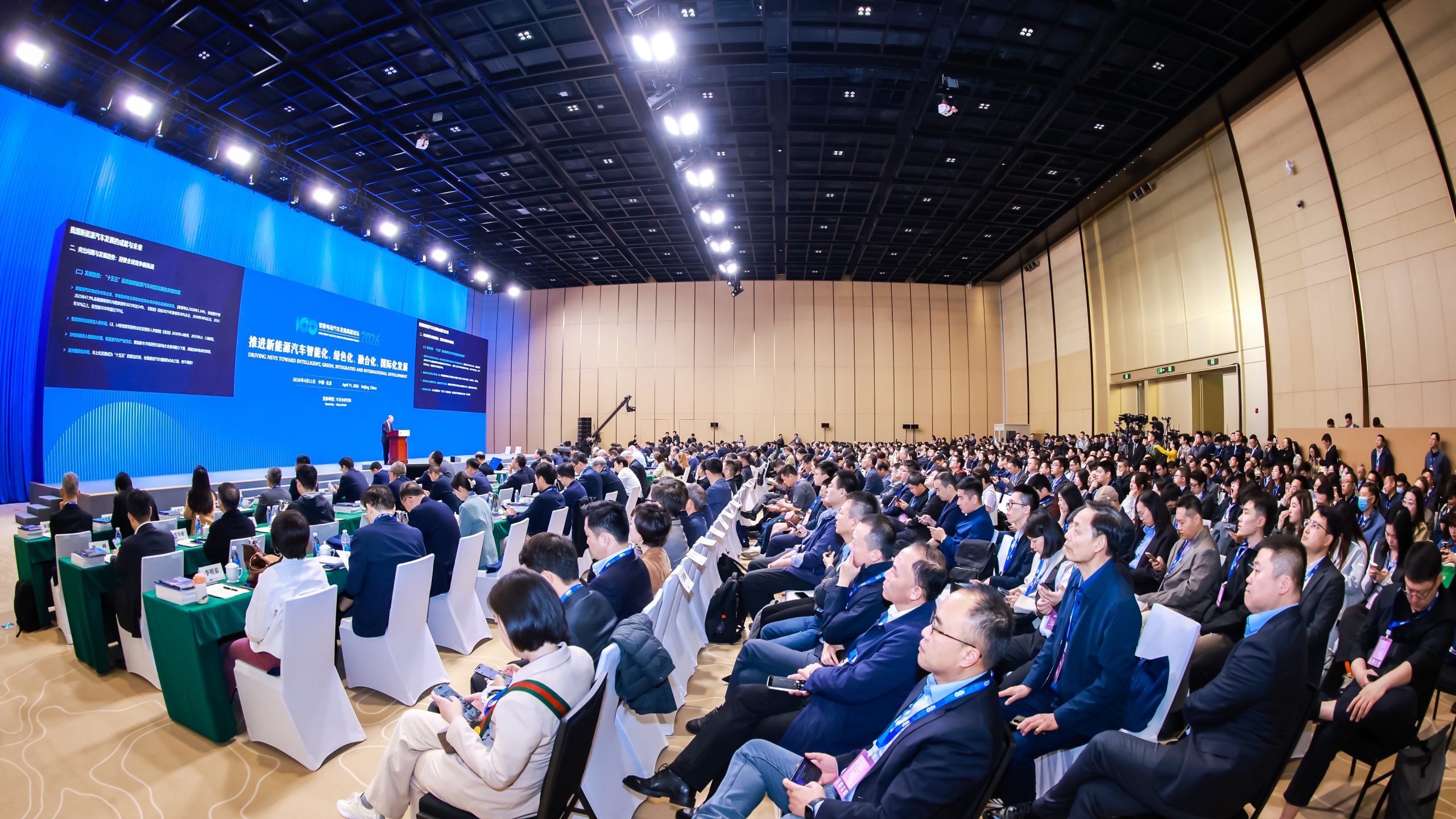
In 2026, how will the smart electric vehicle industry continue to evolve? At the high-level forum on the development of smart electric vehicles that opened this morning, dozens of leaders from academia and the industry gathered to discuss the future of the automotive industry.
From a summary of the day’s presentations, three trends are not to be overlooked:
- Rapid technological changes place higher demands on supply chains for car companies. NIO founder, chairman, and CEO William Li stated that standardization of cell specifications and unification of chips can reduce industry costs by 100 billion.
- The deployment of high-level autonomous driving is unstoppable. Huawei’s Senior Vice President and Horizon Robotics CEO, Jinyuzhi Jin, believes 2026 is the start of the global autonomous driving era, with rapid deployment in both the US and China.
- The Chinese solution for cockpit-driving integration is about to be realized. Horizon Robotics founder and CEO Kai Yu previewed the upcoming release of the Starry cockpit-driving integration chip, which can reduce the cost of a car by 1,500 to 4,000 yuan.
Clearly, intelligence has long been a key factor for consumers when purchasing a car. On the other hand, cost, efficiency, and system capabilities are being reevaluated and have become crucial variables in determining how far companies can go.
Can the automotive industry save 100 billion?
During today’s presentations, BYD Group’s Chief Scientist, Chief Automotive Engineer, and Dean of the Automotive Engineering Research Institute, Yanming Lian, discussed how the automotive industry’s supply chain has transitioned from a traditional “chain-like” to a new stage of “web-like symbiosis.”
Previously, the integration and bargaining power of OEMs in the industry chain were core, with very clear upstream and downstream divisions of labor. But now, industry boundaries are becoming blurred, forming a feature of multi-subject capability complementation and value sharing.
At the same time, the profit pressure on car companies remains. Particularly this year, with the rise in prices of raw materials like DDR memory and multiple factors like the imposition of new energy vehicle purchase taxes, the pressure on sales and profits has increased.
Thus, car companies are demanding more from supply chain enterprises. NIO founder, chairman, and CEO William Li put forward the view that the industry should promote the standardization of cell specifications and the unification of chips.
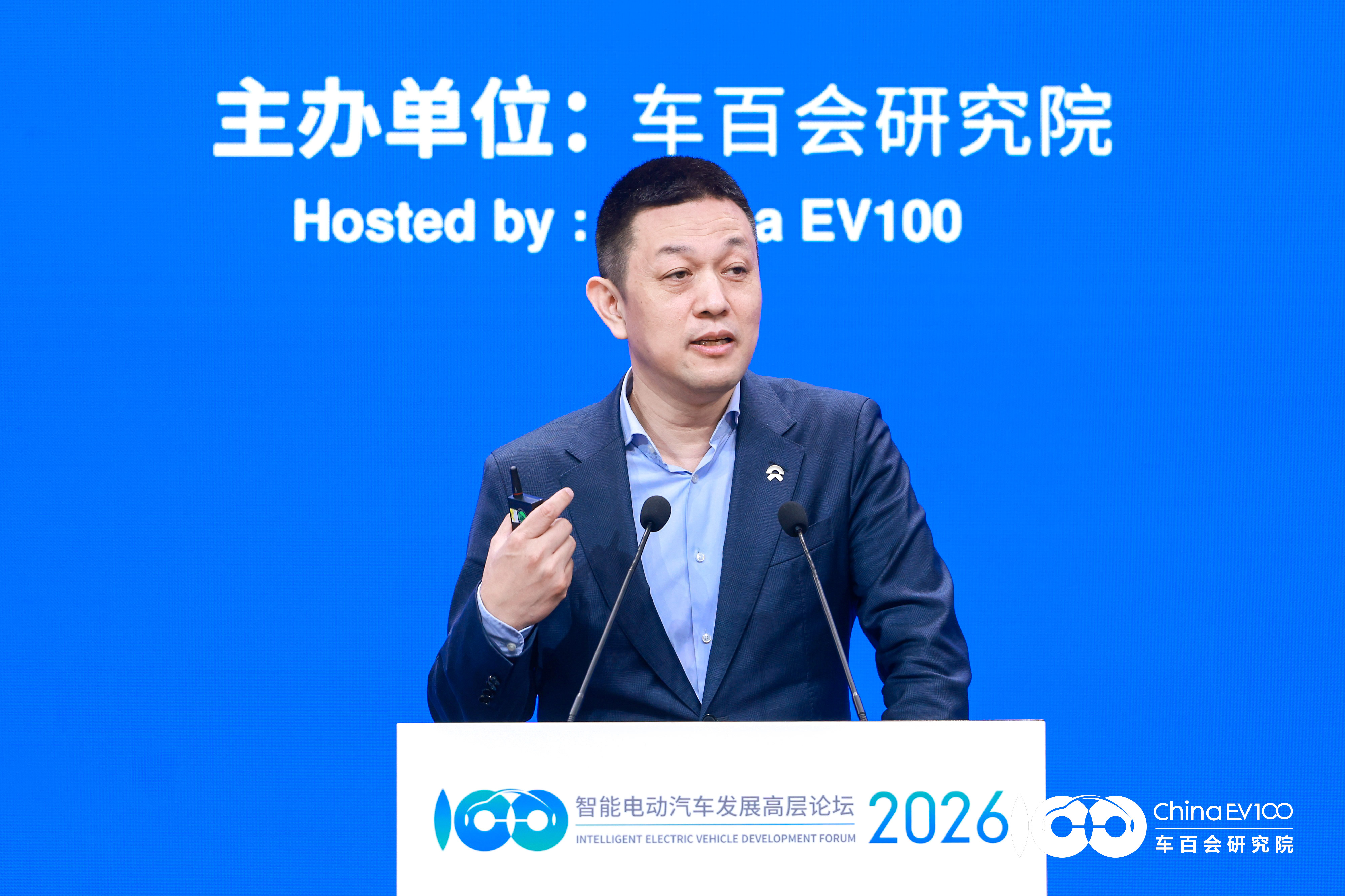
Currently, batteries and chips account for more than 50% of the cost of electric vehicles. This means that capacity, verification, and production costs are very high.
William Li believes that the lack of uniform cell specifications creates an imbalance in supply and demand across the industry. Just as AA and AAA batteries have standards making supply stable and prices low. He stated, “The physical structure of mid-nickel ternary and high-nickel ternary has basically converged, so the standardization of cells has become possible. If there were four or five standardized cell types in China now, the industry’s efficiency would improve greatly.”
There is a similar issue with chips. William Li mentioned that the NIO ES9 contains over 4,000 chips, many of which serve the same function. Li suggests chip companies could standardize chip types and provide some interchangeable standards for each type.Li Bin said in his speech: “We have roughly calculated that no one in this industry will lack profits, as long as these two things are done well. There’s easily over a hundred billion in cost-saving opportunities across the industry, and really, it’s not much—just a few thousand yuan per car, which is absolutely achievable.”
2026: The Year Autonomous Driving Goes Global
Assisted driving and autonomous driving have long been the hottest topics in the automotive industry. At this year’s Smart Electric Vehicle Development High-Level Forum, companies such as CCAG, DF, GACGROUP, Huawei, Geely, and ZEEKR shared the latest advancements in autonomous driving and made predictions for its future development.
There’s also a notable trend: nearly all companies are making early moves in the L4-level Robotaxi field, yet Huawei seems relatively cautious, preferring a safe and orderly advancement. NIO’s founder Li Bin stated in an interview that there are no plans to enter the Robotaxi domain.
Jin Yuzhi, Senior Vice President of Huawei and CEO of Yinv Company, believes that 2026 will be the year autonomous driving goes global.
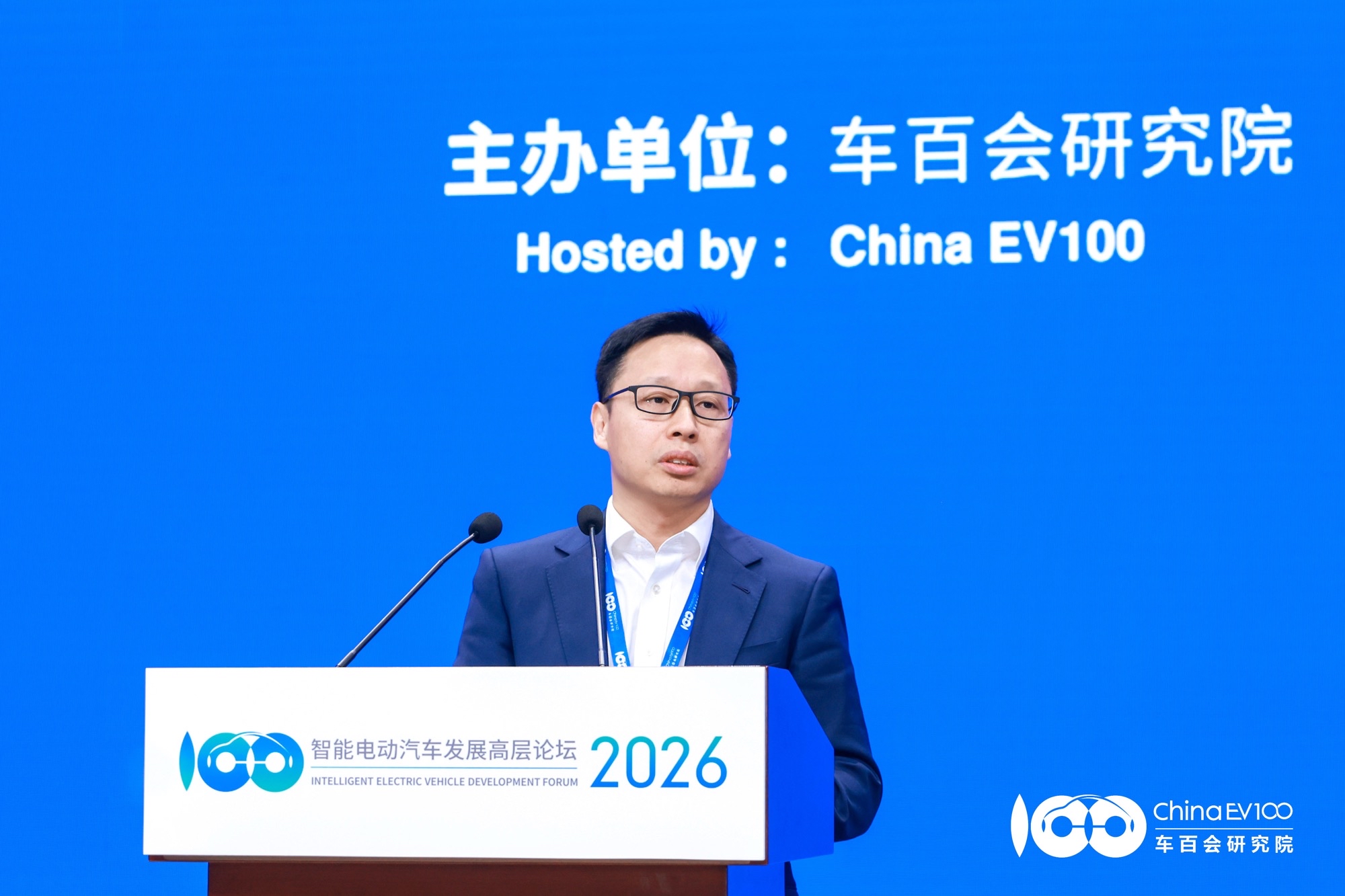
Jin Yuzhi stated, “By 2025, the penetration rate of L2 and above assisted driving in vehicles priced over 100,000 yuan will exceed 90%. The higher the vehicle price, the more ubiquitous the configuration; vehicles over 500,000 yuan mostly come with L2 and above functionalities as standard.”
Across the ocean in the US, this year is also seeing an acceleration in the implementation of autonomous driving-related legislation, promoting the commercialization of autonomous driving.
However, Jin Yuzhi believes full autonomous driving’s implementation might not be as swift, with L3 being an inevitable stage towards L4 and L5.
He analyzed the difficulties of realizing full autonomous driving from the perspectives of safety, users, and regulation. From a safety standpoint, the current data accumulation is still far from sufficient. He remarked: “To reach L4, where humans completely leave the driver’s seat and eliminate the need for a steering wheel, we need to achieve at least ten times the safety of human-driven vehicles.”
From the users’ perspective, the challenges might be even greater. Even with current L2-level assisted driving, many users hesitate to use it; when vehicles lack steering wheels and no one is in the driver’s seat, users will need an adaptation period.
From a regulatory standpoint, the huge leap from L2 to L3 lies in the transfer of responsibilities, and L3 provides an excellent validation opportunity. Jin Yuzhi suggests accelerating the L3 process, directly targeting the toC market, opening up all scenarios and regions to final users to accumulate data and build user trust.
L4 is the topic more car companies prefer to discuss.
Zhao Fei, General Manager of China CCAG, discussed the rollout progress of L3 and L4 autonomous driving. Last December, CCAG obtained L3-level autonomous driving product access permission and acquired the official specialized license plate for L3 autonomous driving. Recently, they were formally approved for L4-level Robotaxi testing licenses, making them a car enterprise with full compliance and full-scenario L4-level unmanned driving road test qualifications.The Party Secretary and Chairman of GAC Group, Feng Xingya, also mentioned the Robotaxi co-developed with Didi. The vehicle has now been officially delivered and will gradually enter into service.
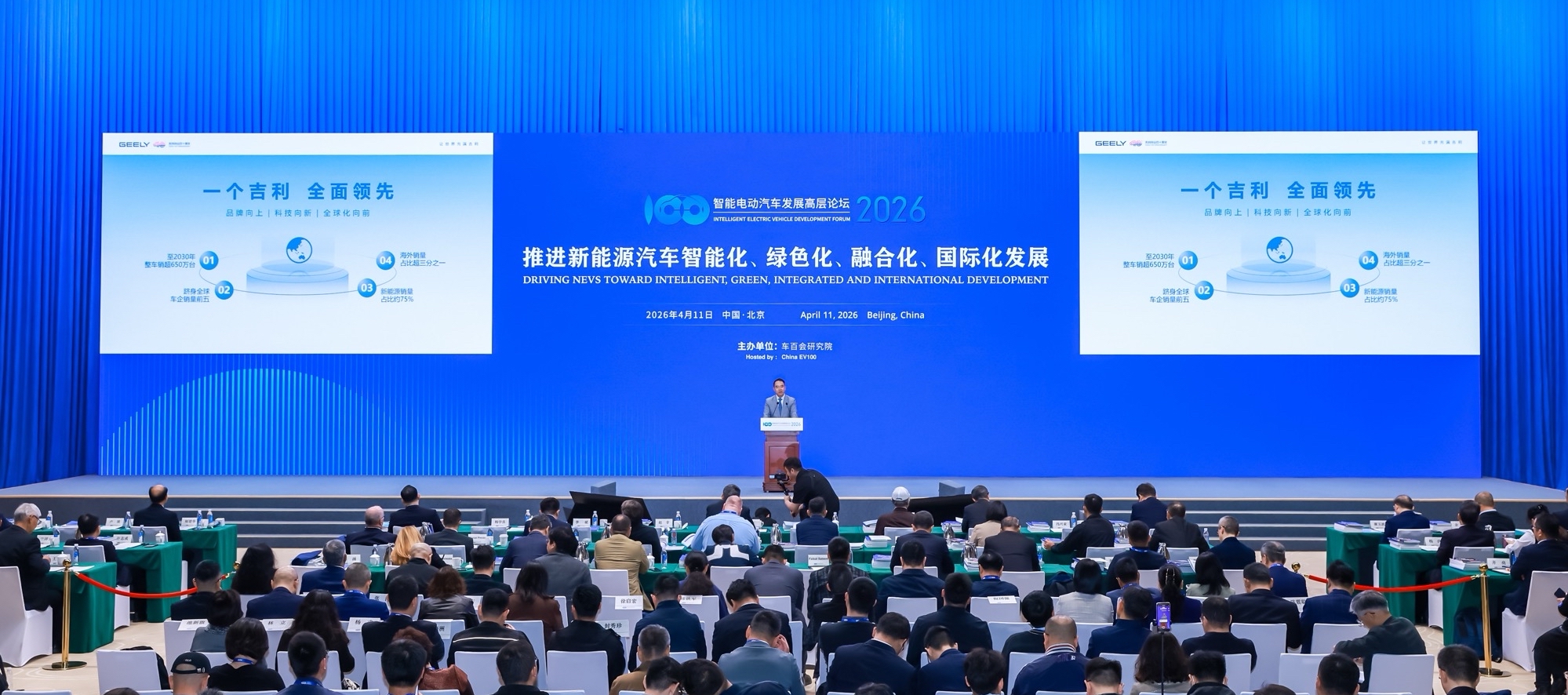
Geely Holding Group’s Senior Vice President, Yang Xuezhang, stated that the ZEEKR 9X, equipped with the Qianli Haohan H9 system, has obtained the full-domain level 3 autonomous driving road test license in Hangzhou; Cao Cao Mobility has commenced road testing of unmanned Robotaxis in Hangzhou. Meanwhile, last month, the Qianli Haohan G-ASD received certification from the United Nations Economic Commission for Europe (UN R171), marking the first successful international deployment of a Chinese intelligent cruise assistance system.
China’s Cabin-Drive Integration Solution
Cabin-drive integration has always been a major goal in the automotive industry, but prior to this, only Qualcomm had truly achieved mass production. Now, the Horizon Starry Sky Series has arrived.
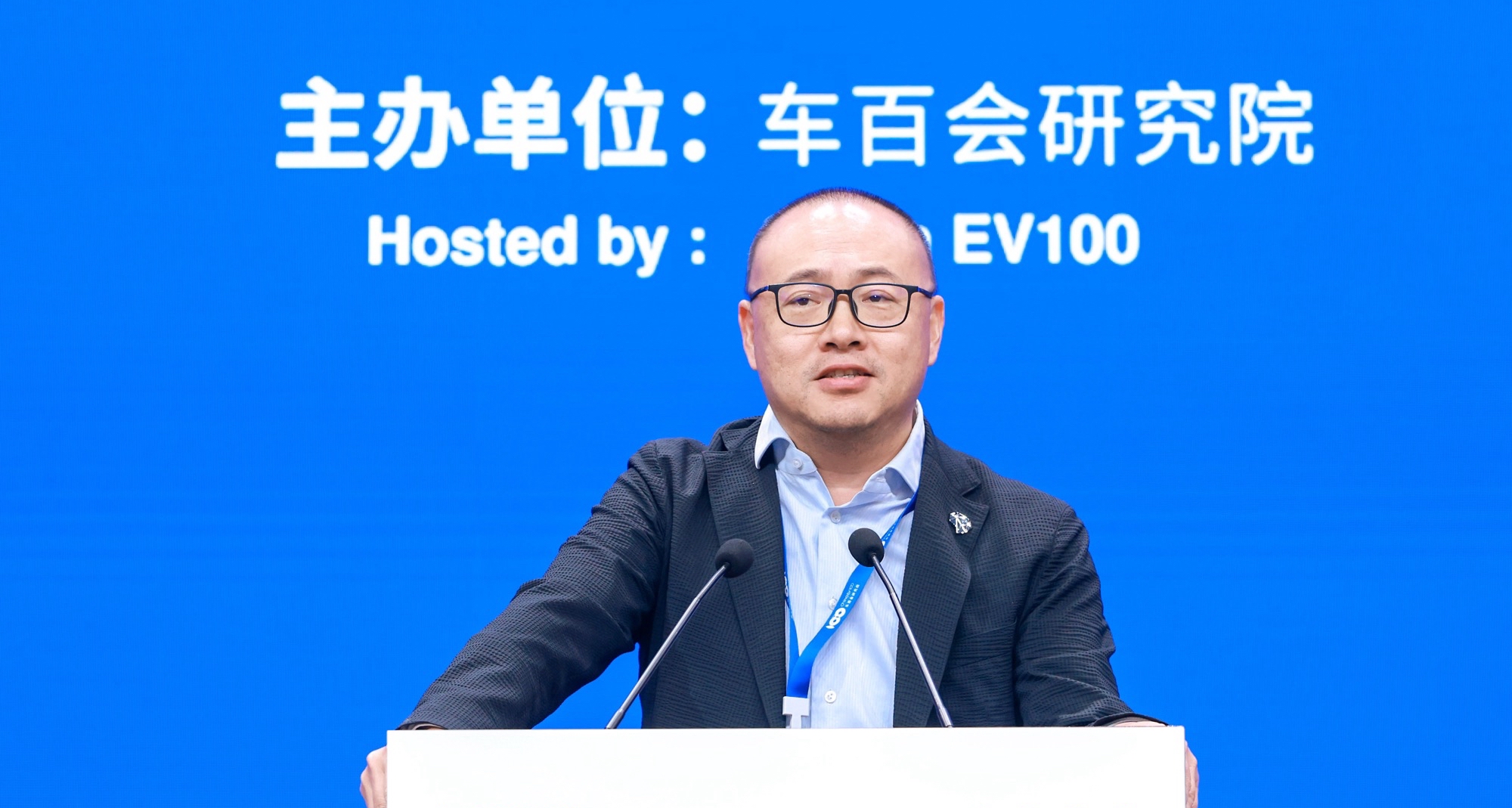
Horizon Founder and CEO Yu Kai announced that the Horizon Starry Sky series will be officially launched at the Horizon Annual Product Launch on April 22.
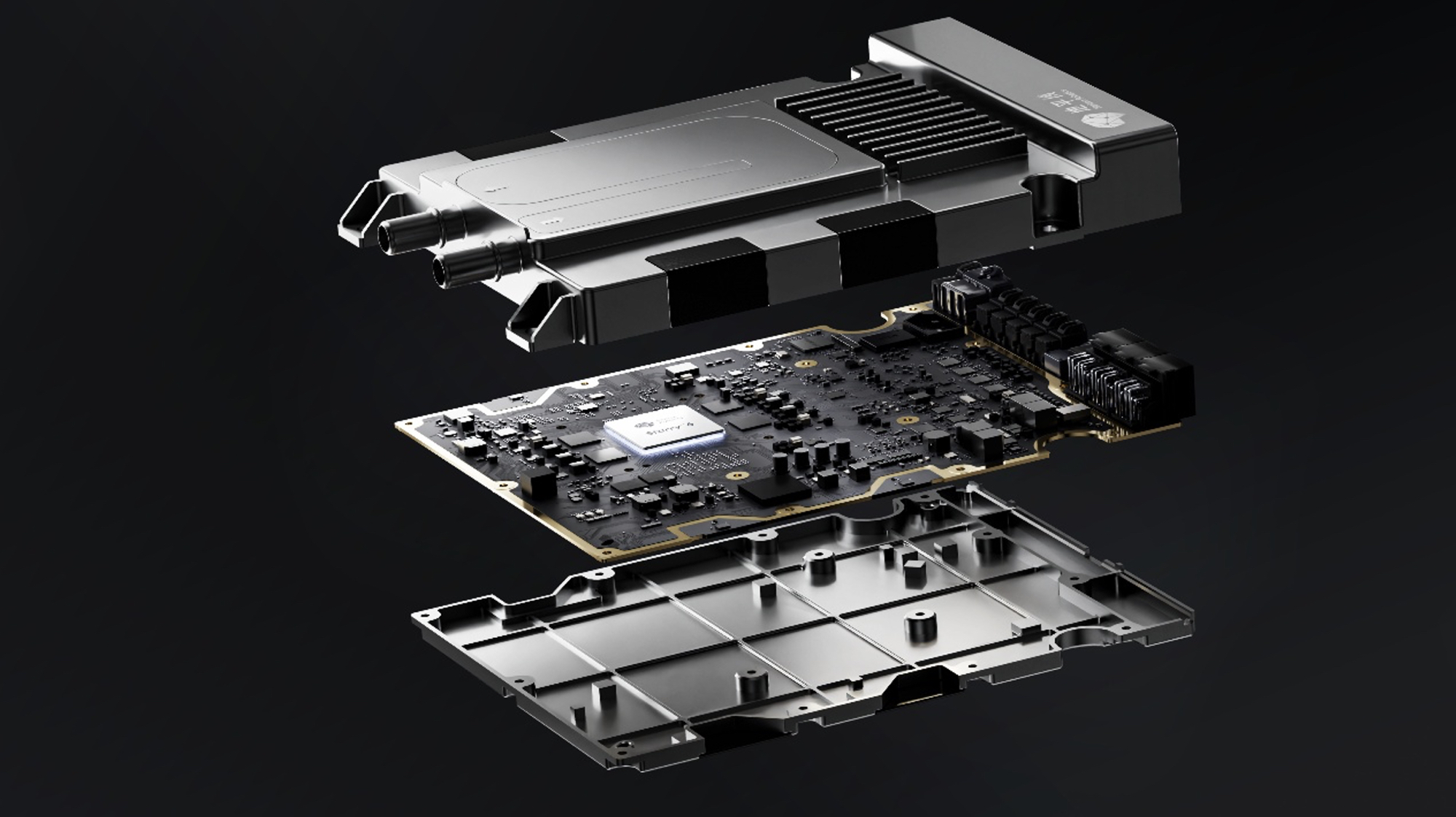
The Starry Sky series chips break away from the traditional separation of cockpit and intelligent driving hardware, opting for a single-chip integrated design that unifies what was once separated dual-domain computing.
This architecture offers two core advantages: first, the combination of two chips into one optimizes costs related to memory, wiring, and cooling hardware. Second, it establishes a new vehicle intelligence architecture centered on central computing.
Yu Kai said, “For the vast majority of car manufacturers, every vehicle sees higher performance but a cost reduction of 1500 to 4000 RMB, making it a revolutionary innovation.”
Bolstered by a centrally integrated large model, the Starry Sky series endows vehicles with three major capabilities: Soul, Skill, and Memory. This cabin-drive integration intelligent chip can operate a new in-car OS akin to a “crayfish agent,” transforming cabin interaction. For instance, it can accurately retain users’ driving habits and, beyond simple dialogue, offers initiative—able to book restaurants, choose cinema seats, and even handle parking reservations and payments, providing long-term companionship-like services.
Discussing the industry’s future, Yu Kai believes: “The foundational model for autonomous driving is core infrastructure and should not be built redundantly; a car manufacturer’s differentiated competitive edge arises from layered calibration and scenario-based innovations on top of this fundamental model. This is the original intention of Horizon in developing the ‘Starry Sky’ series and advancing the cabin-drive integration solution—to leave space for innovation for car manufacturers through a more efficient underlying technical architecture.”## In Conclusion
From the standardization of the supply chain, to the phased implementation of autonomous driving, and the architectural reconstruction of cockpit-driving integration, these three threads point to the same issue: intelligent vehicles are transitioning from the stage of technological competition to the stage of engineering and scalability.
In past years, the industry focused more on the upper limits of capability — who had stronger perception, higher computing power, more aggressive features. Now, discussions have become more specific — can costs be reduced, can the system run stably, are users willing to engage in long-term use.
This explains why topics such as battery cell specifications, types of chips, the pace of L3 advancement, and centralized computing architecture, which seem relatively underlying, are frequently mentioned this year. They may not be flashy, but they determine whether the industry can truly enter the next stage.
As these foundations are gradually solidified, real differentiation will return to the core of product experience itself.
This article is a translation by AI of a Chinese report from 42HOW. If you have any questions about it, please email bd@42how.com.